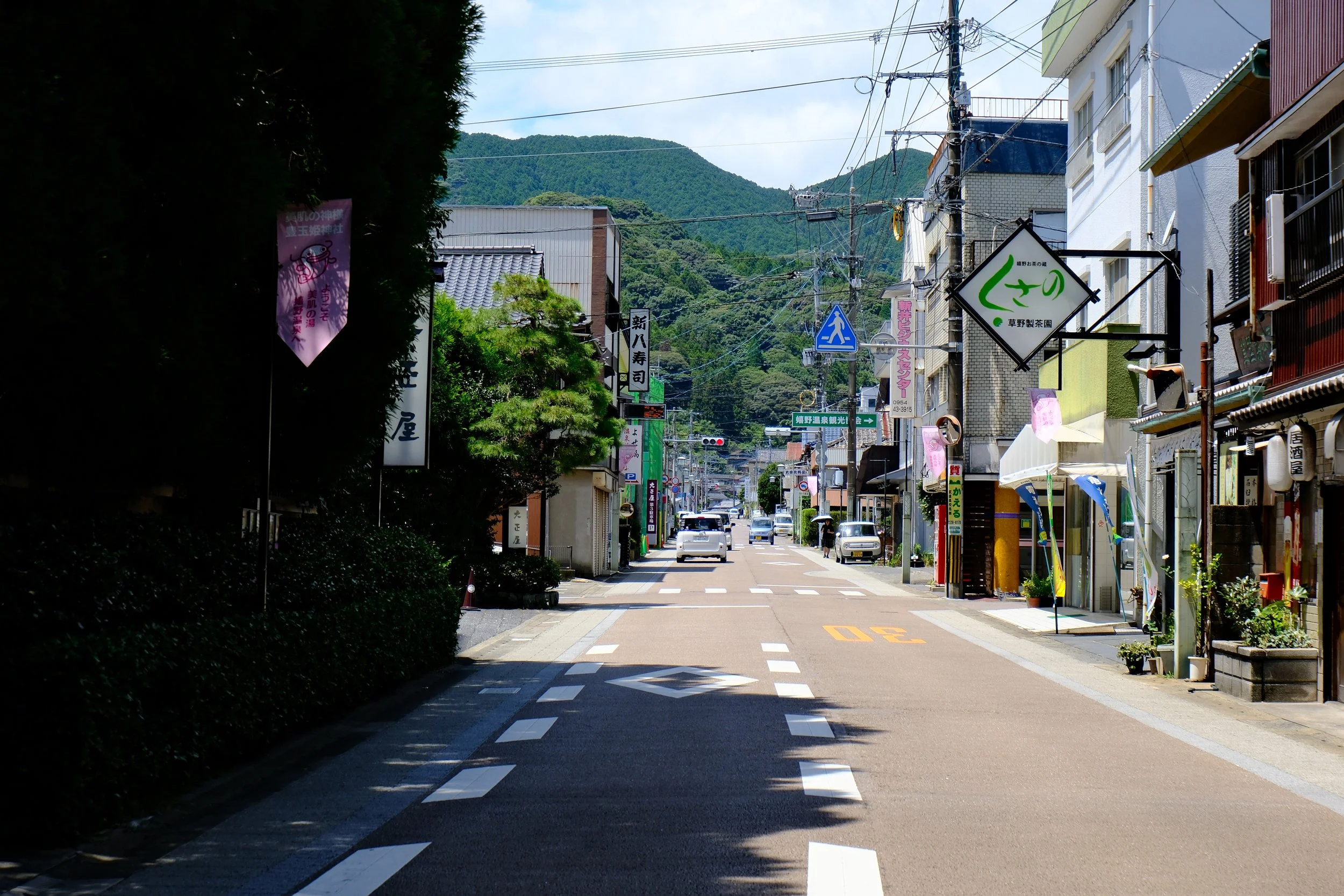
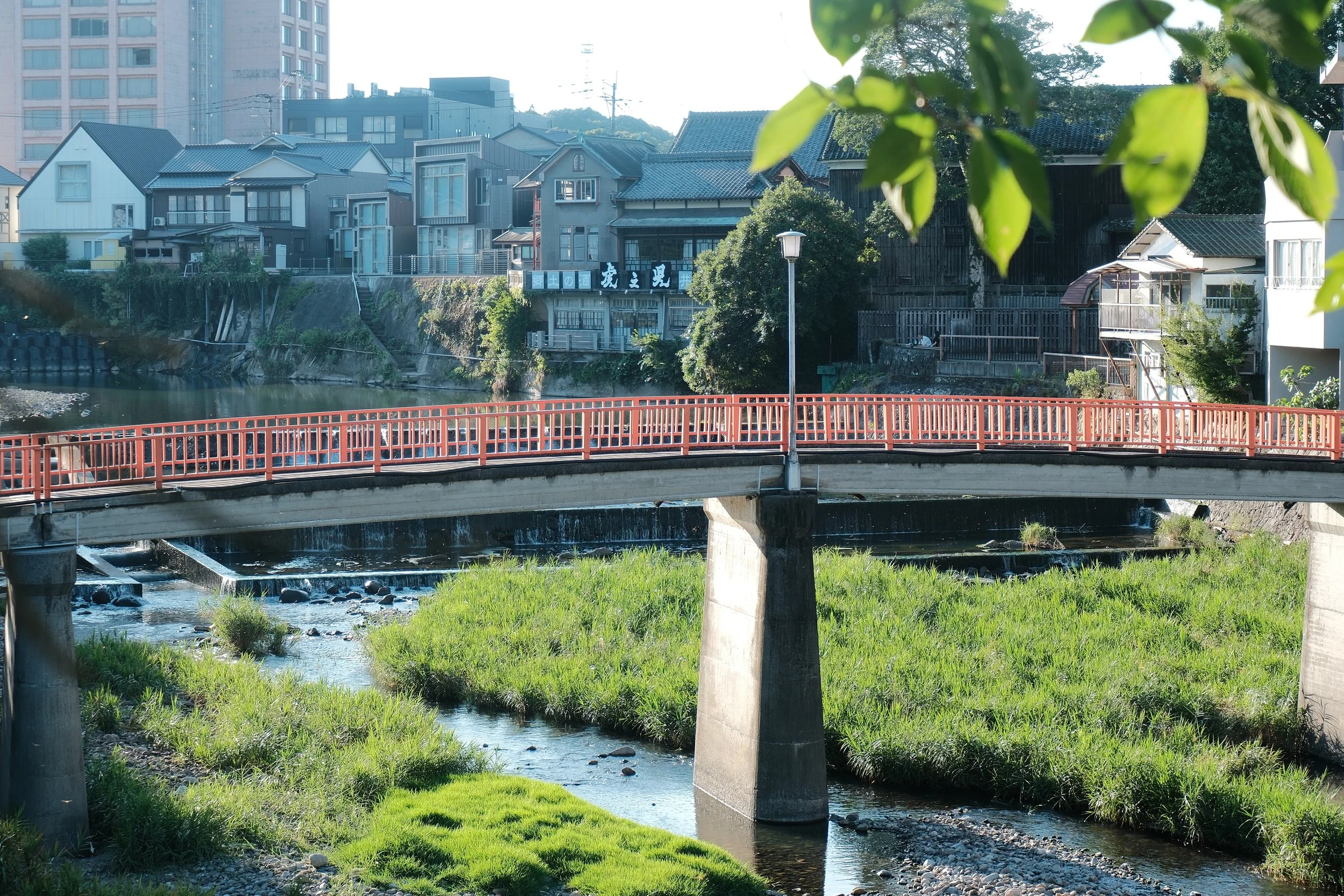
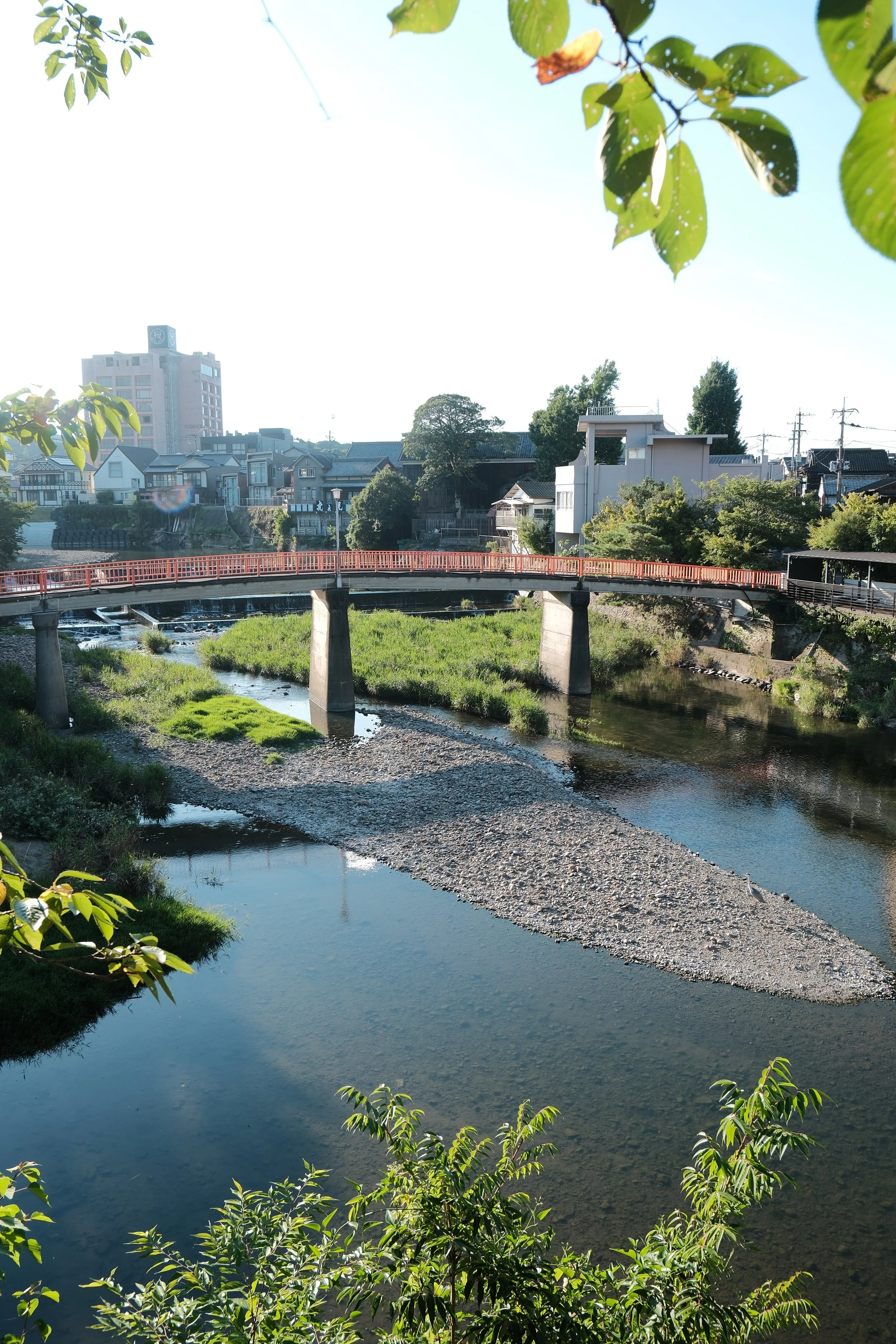
Ureshino is one of Saga’s oldest hot spring towns, and for me, its appeal is not that everything has been perfectly revitalized—it’s seeing the old and new existing beside each other.
Ureshino Onsen has been known for its hot spring water for more than 1,300 years (woah). The Hizen no Kuni Fudoki, compiled in the early eighth century, mentions hot spring water in the area that was used to heal illness, while Ureshino later developed as a post town along the Nagasaki Kaido during the Edo period. Philipp Franz von Siebold even stopped here in 1826 while travelling to Edo. Tea has an equally long relationship with the region: cultivation in Ureshino is said to date back to around 1440, with the area's distinctive pan-fired tea developing over the centuries that followed.
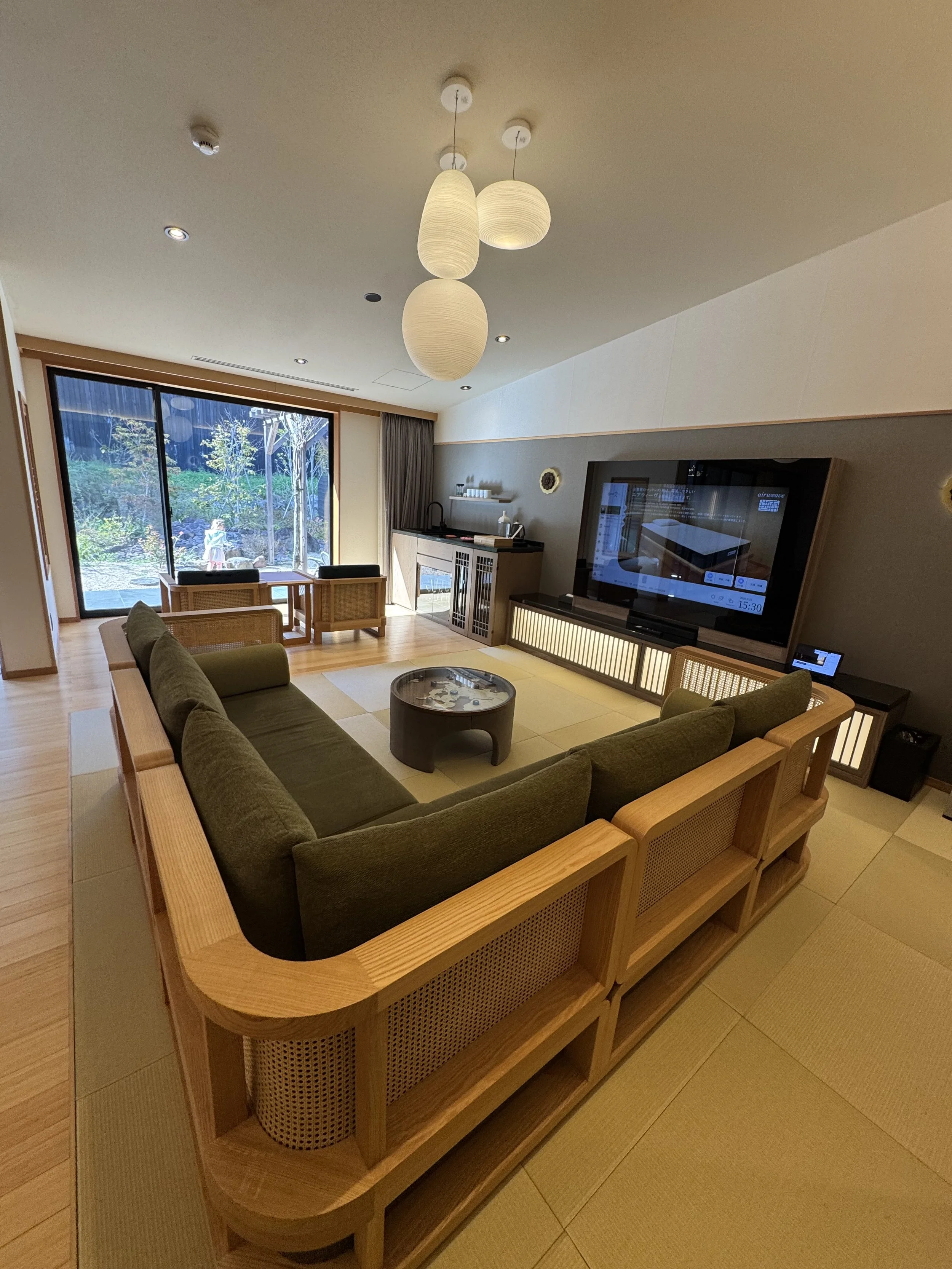
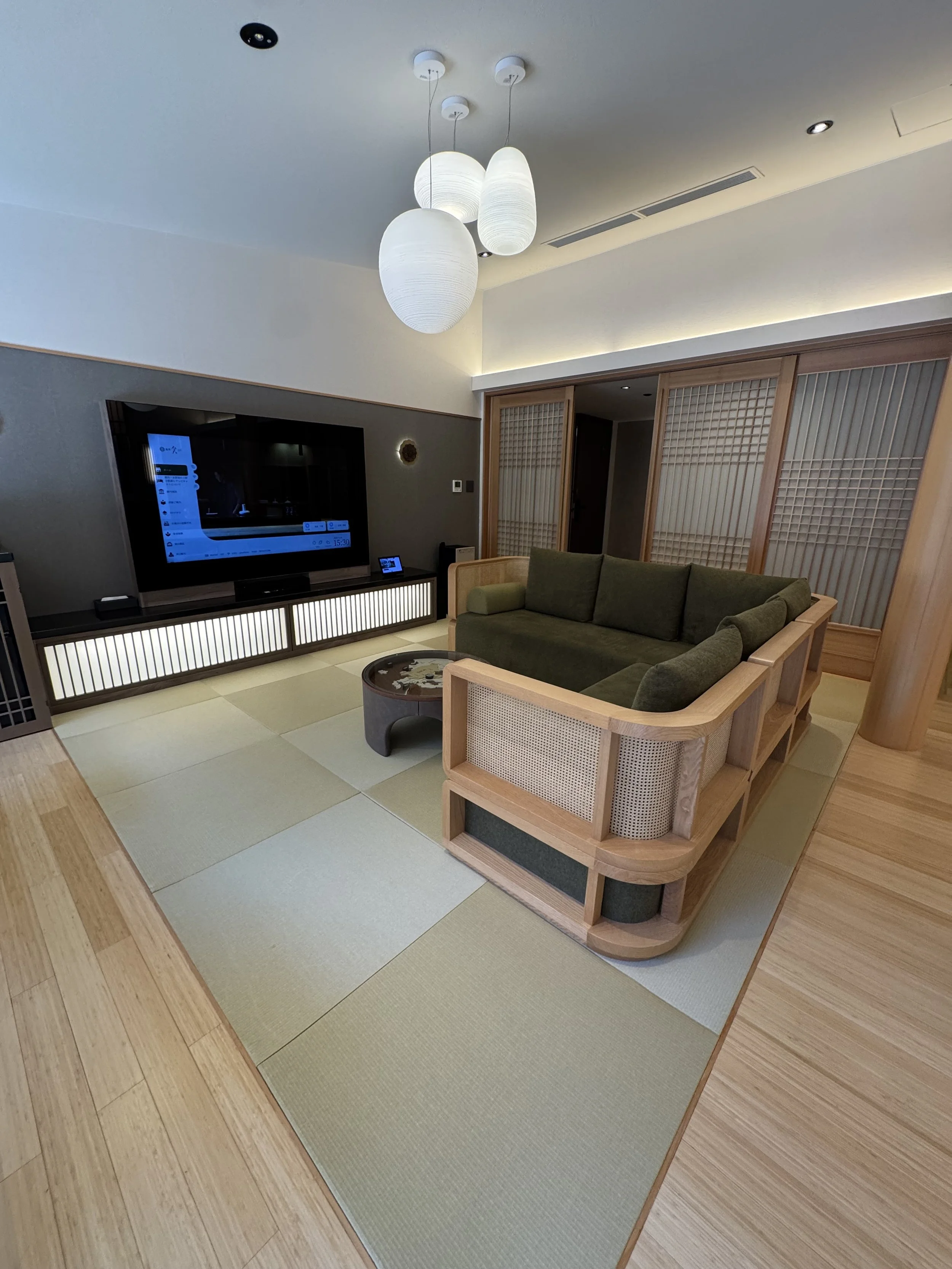
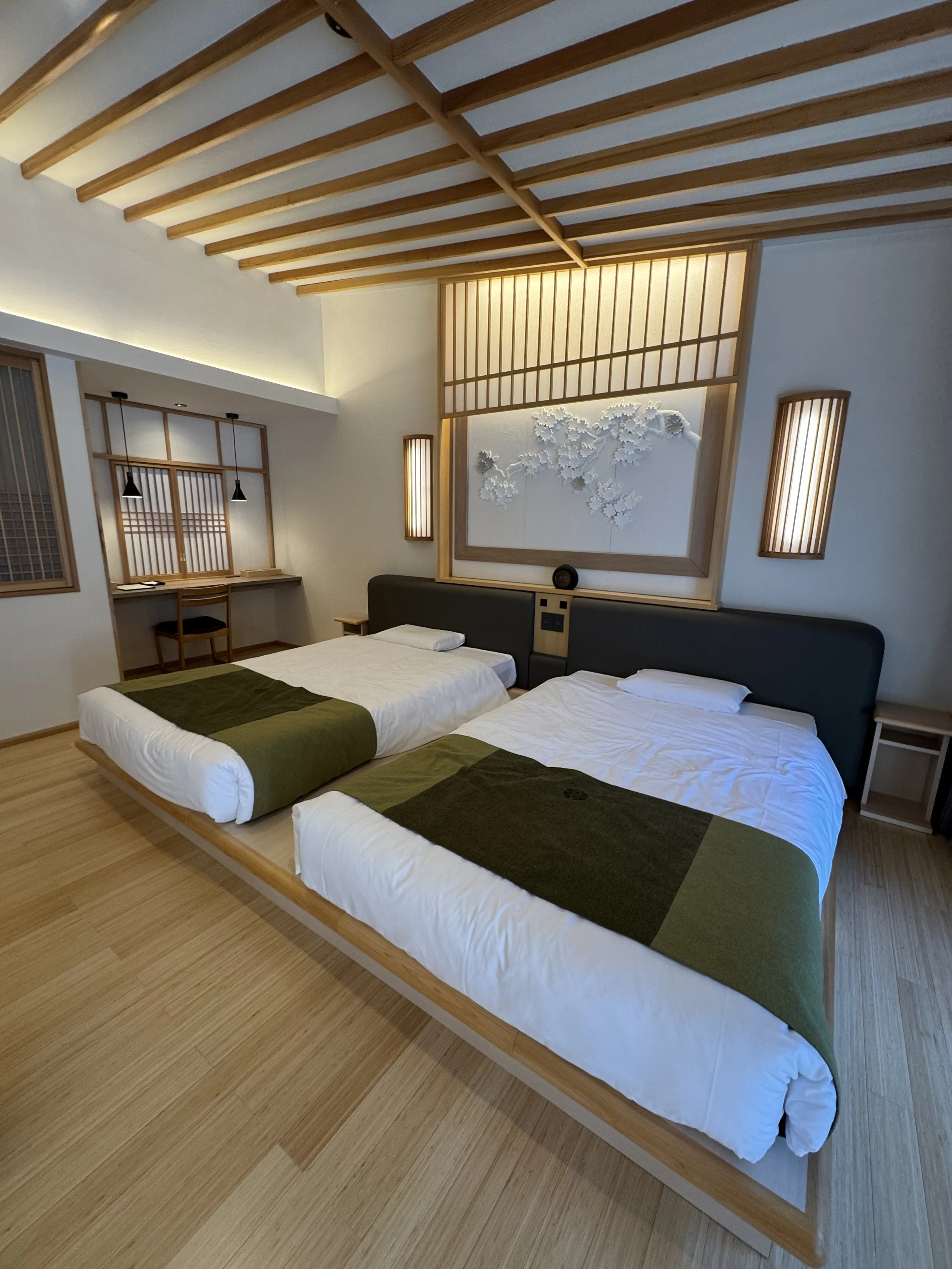
Today, Ureshino sits in an interesting position. Newer hotels such as Ureshino Yadoya (嬉野八十八) are making a very deliberate attempt to package the region for a new generation of travellers. Stay in one of its all-inclusive rooms and you can experience tea ceremonies, tea cocktails, Ureshino tea, hot springs and other activities without really needing to leave the hotel. It is polished, comfortable, and makes the area's two biggest resources, tea and onsen, very easy to understand.
But there is another side of Ureshino that is more interesting if you are willing to walk around.
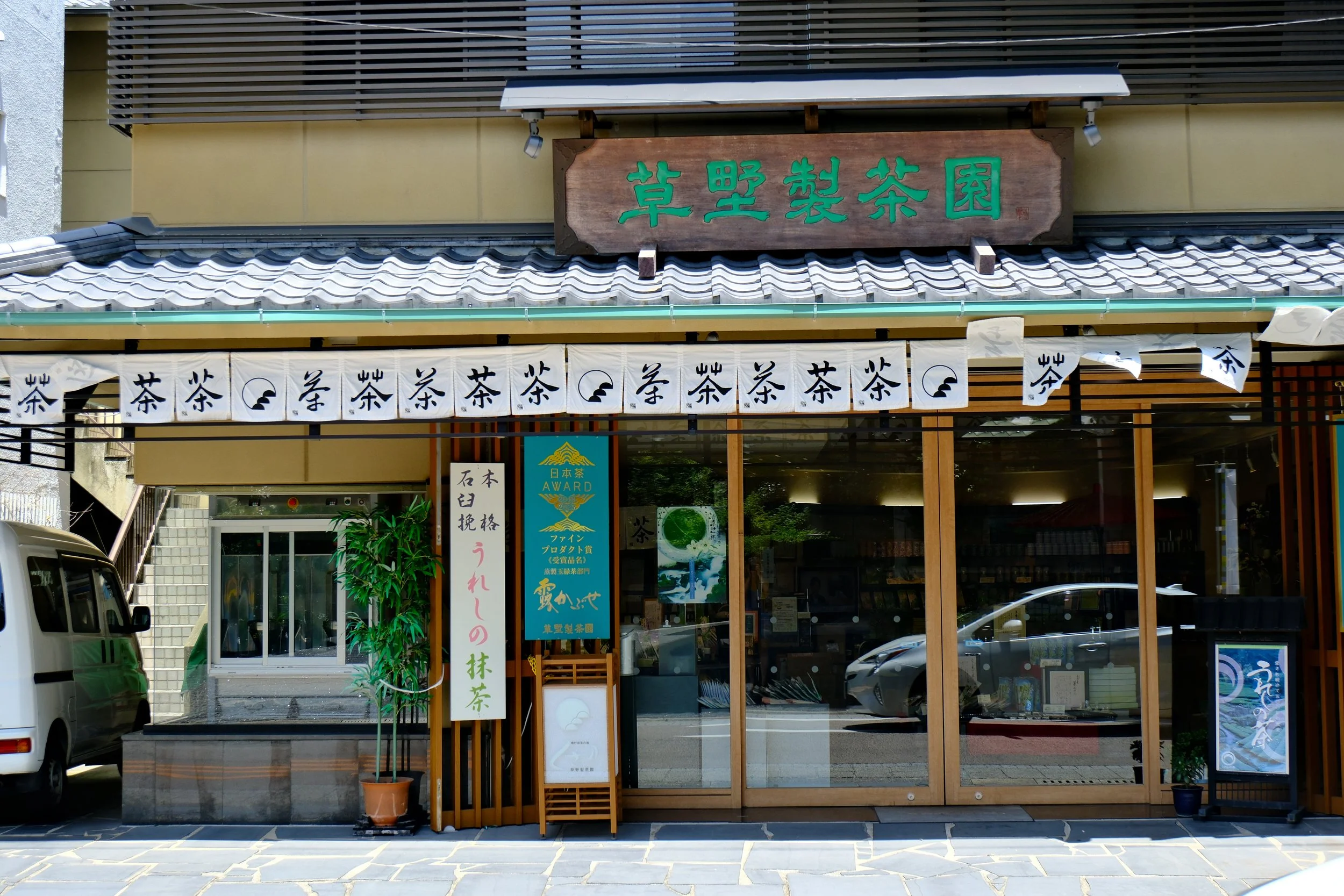
Walk Ureshino With a Camera
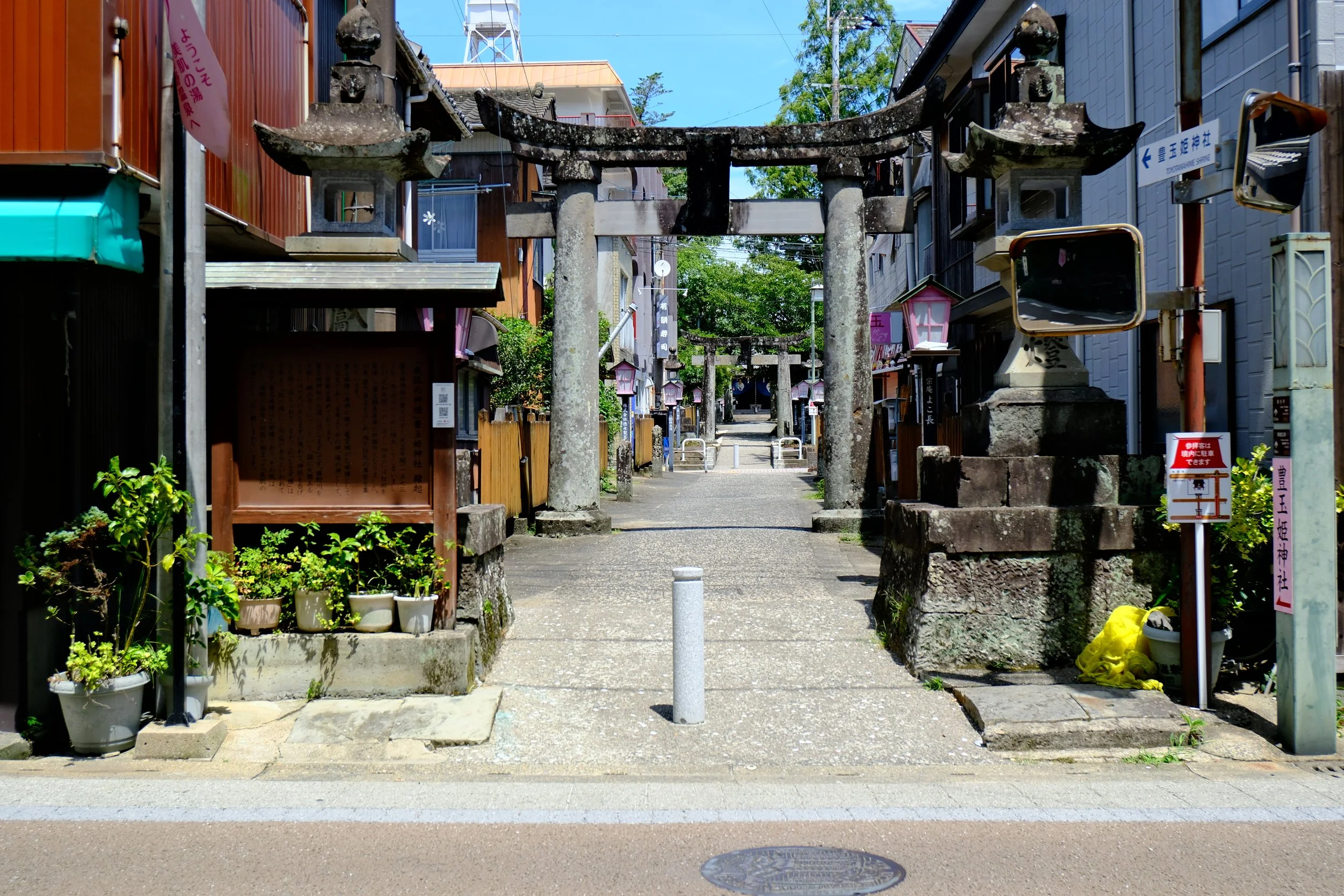
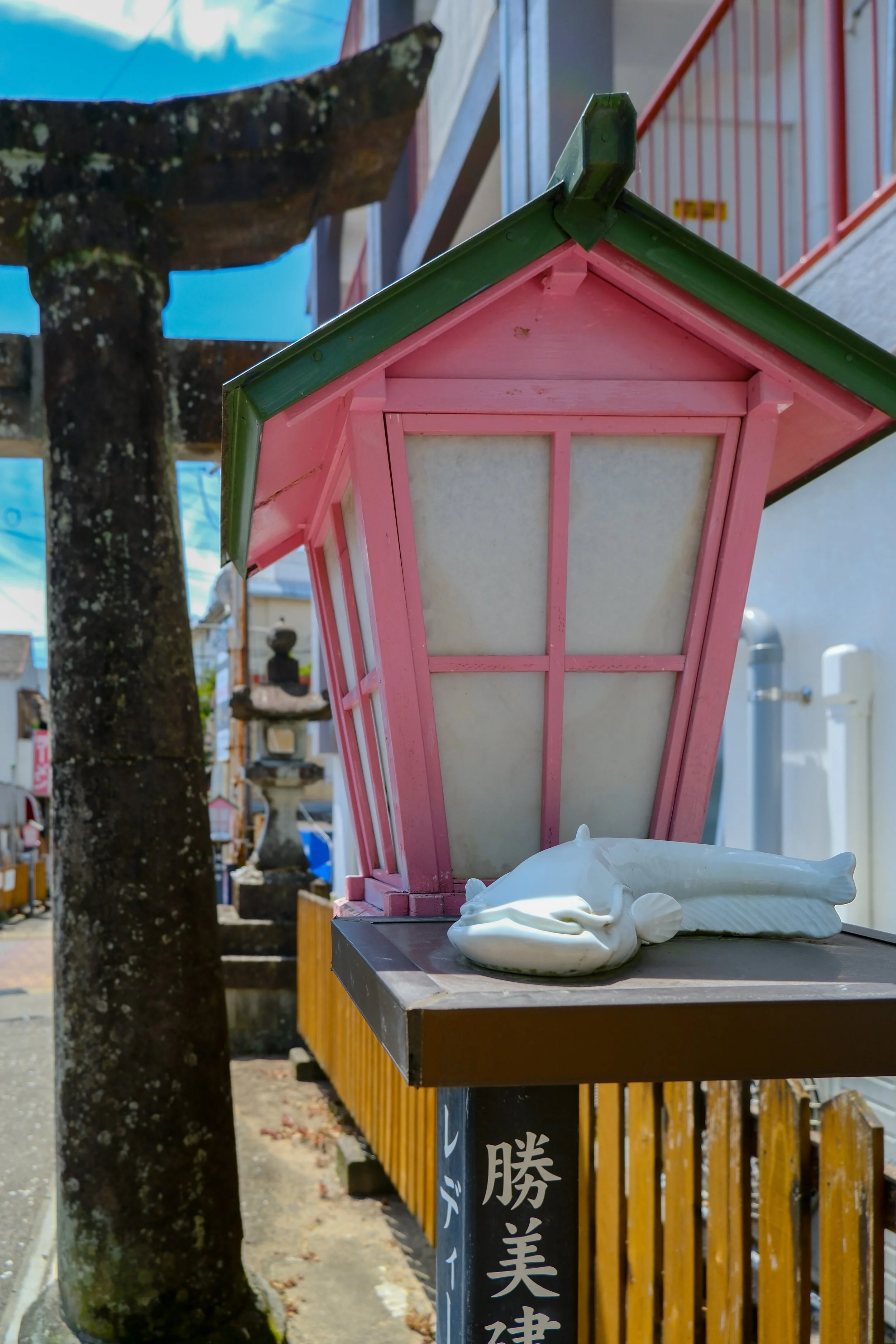
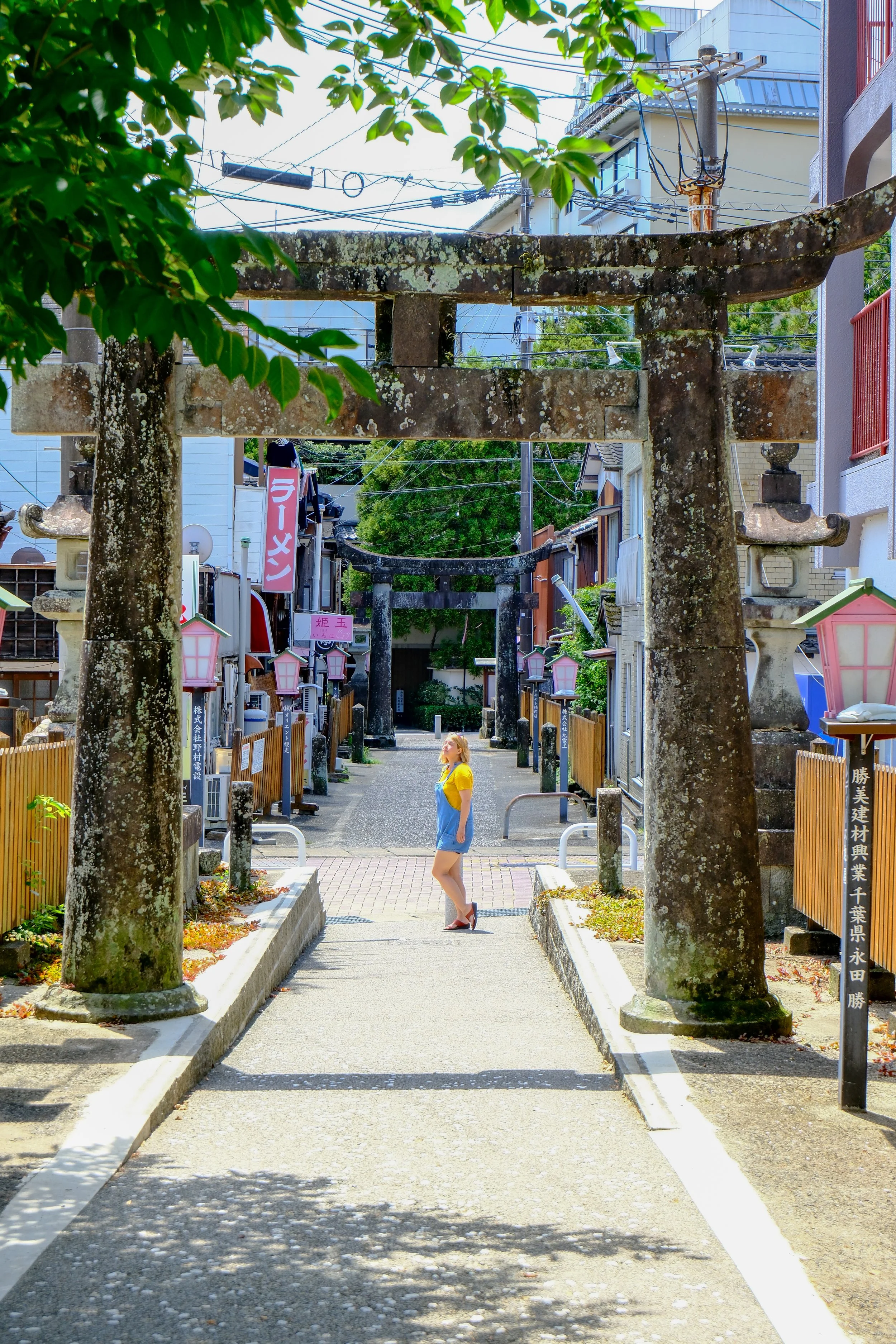
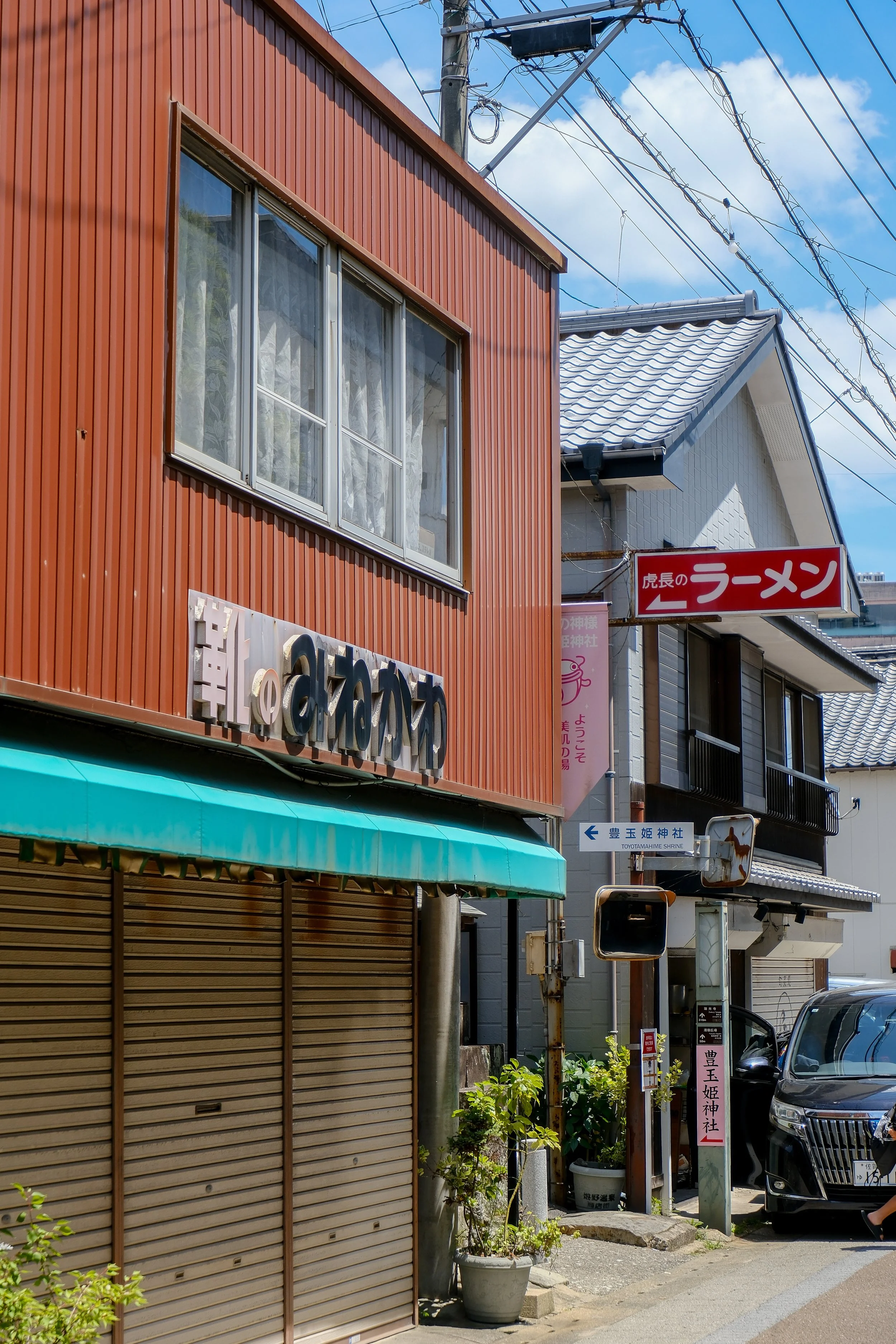
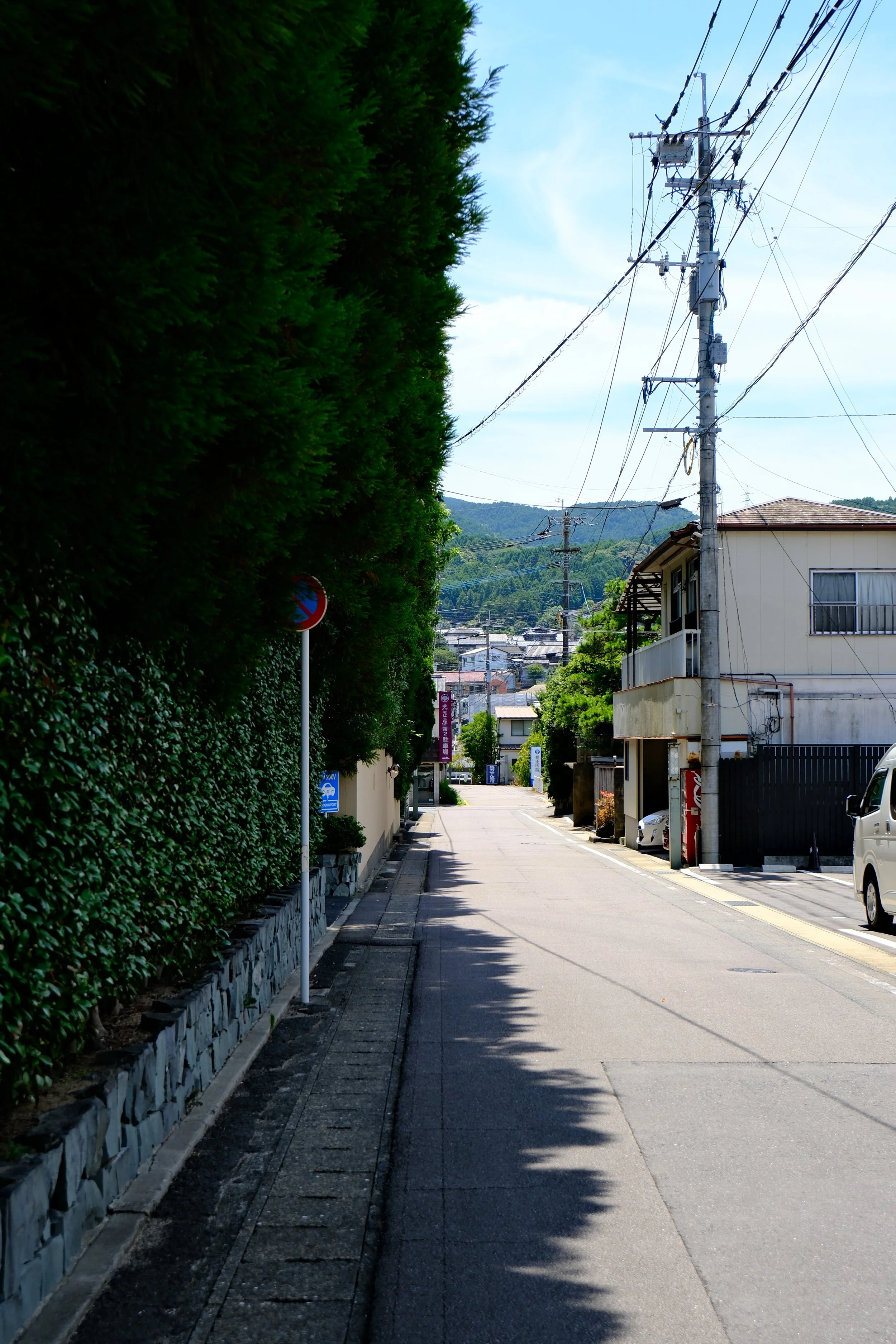
For retro-Japan lovers especially, Ureshino is an absolute pleasure to explore on foot.
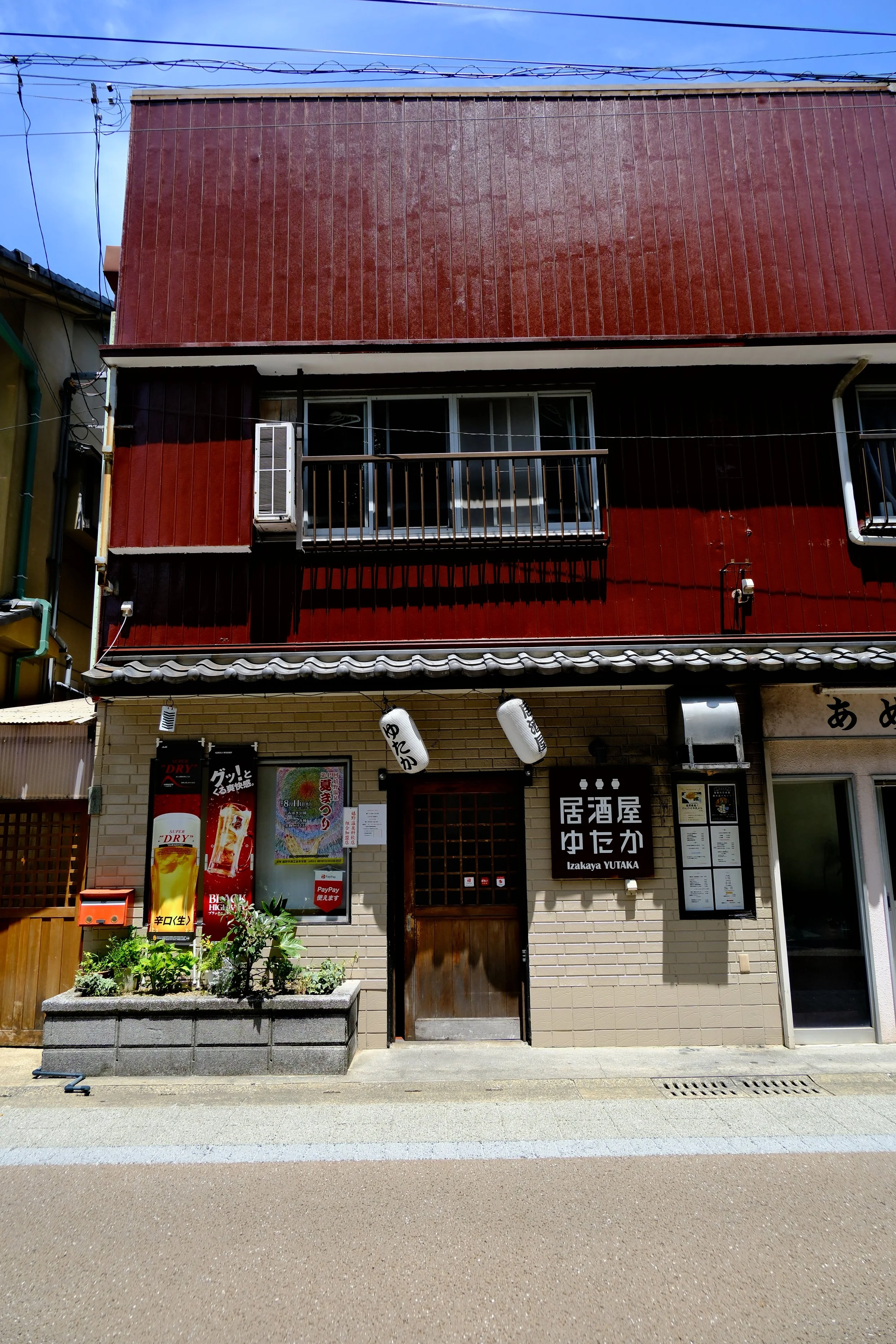
This is not a perfectly preserved historical district. There are faded signs, old ryokan, buildings that have clearly seen better decades, newer businesses, empty storefronts and small pieces of the old onsen town still hanging on between them. With a camera in hand, you can document the remnants of a place that was once much busier, now trying to work out how it fits into present-day Japan as travel trends and money move elsewhere.
(Personally, I find this a bit more interesting than somewhere that has already been completely polished for tourism.)
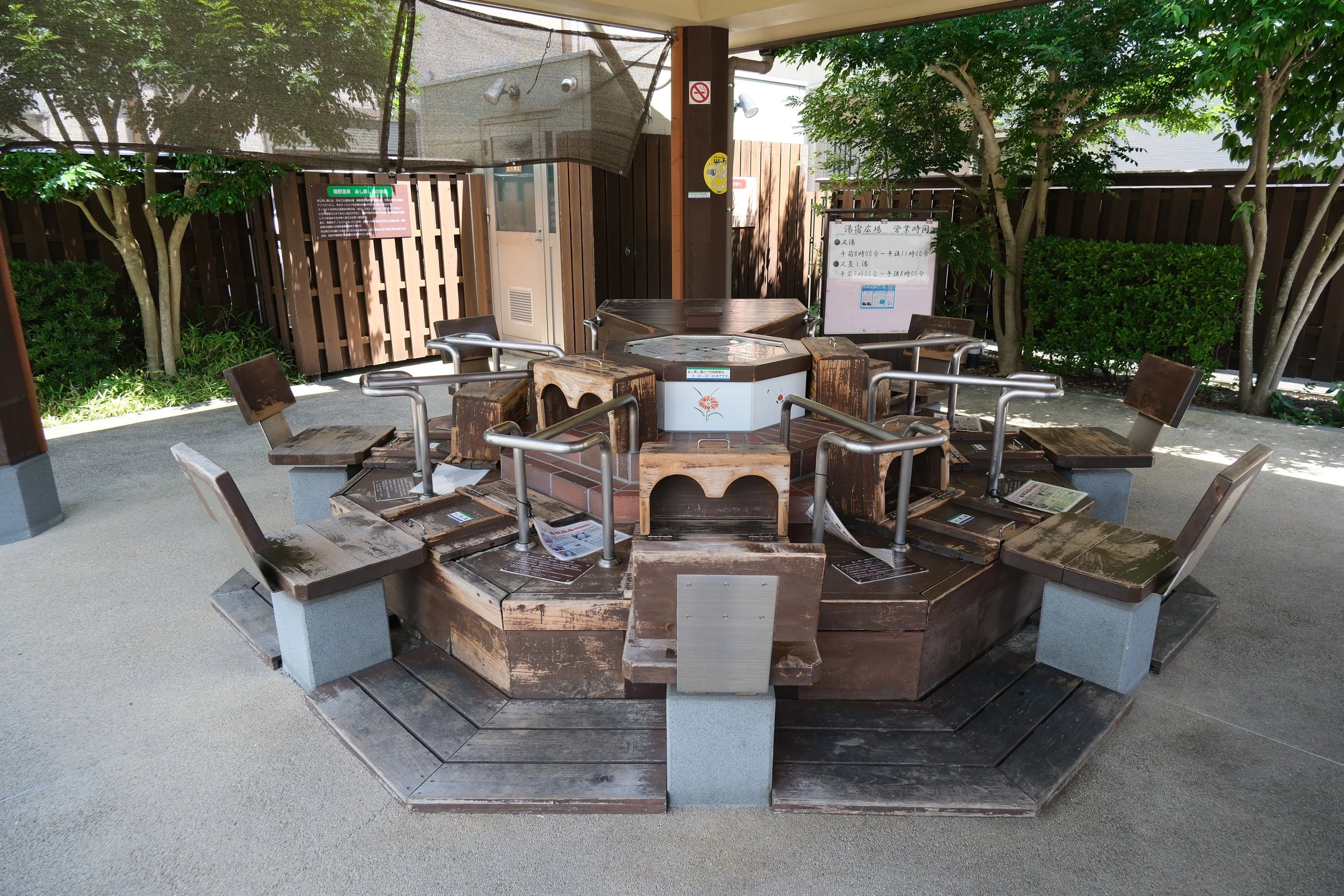
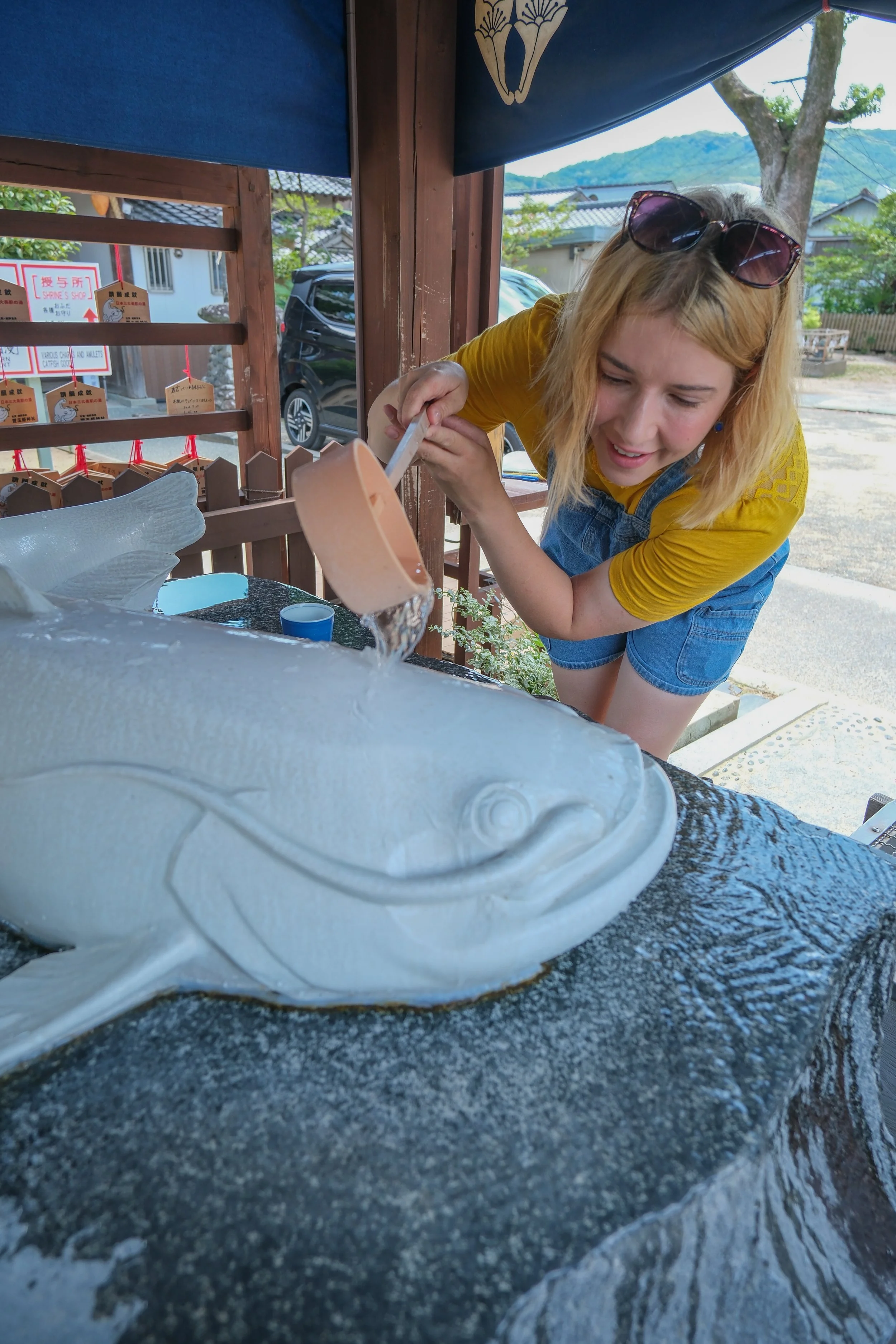
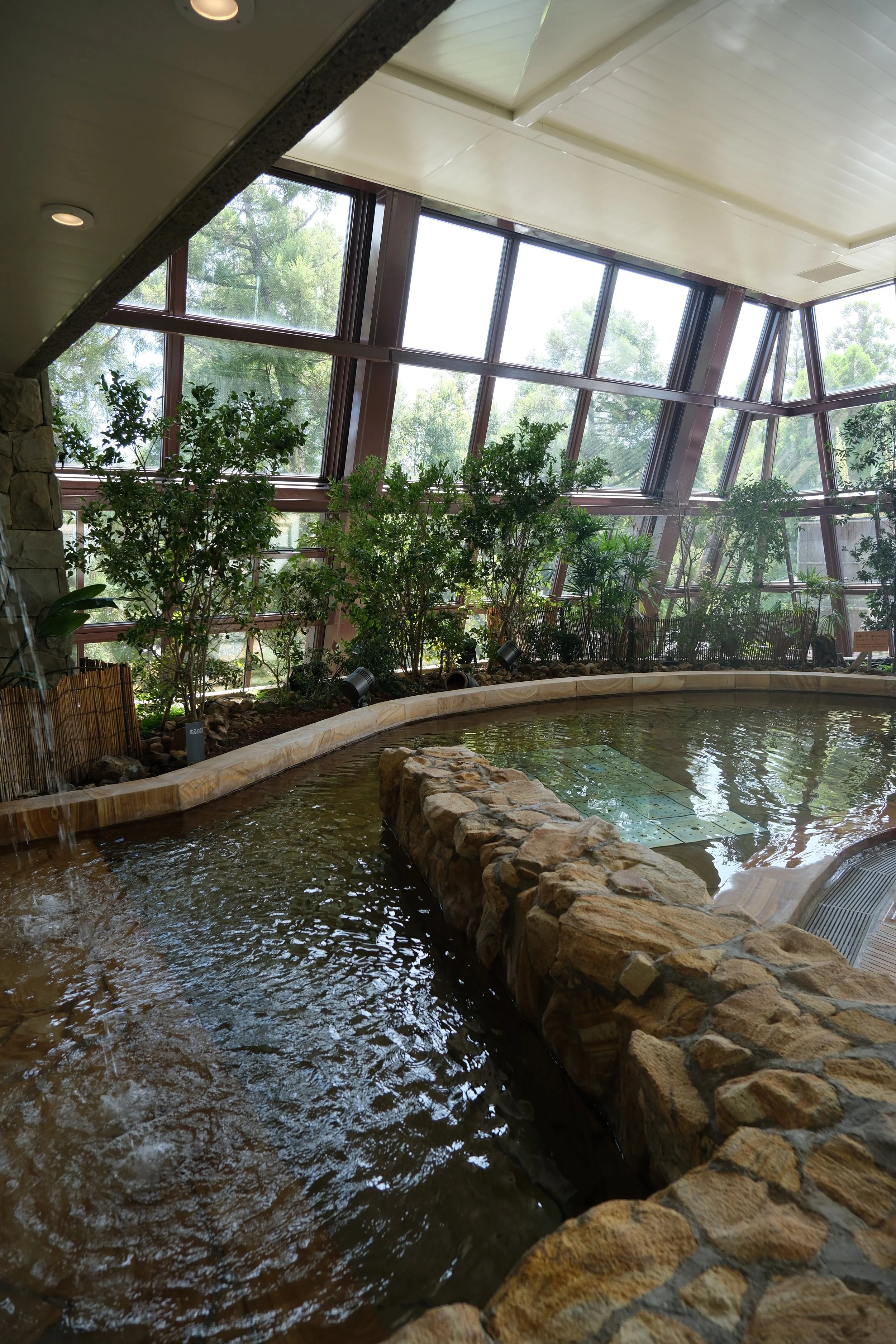
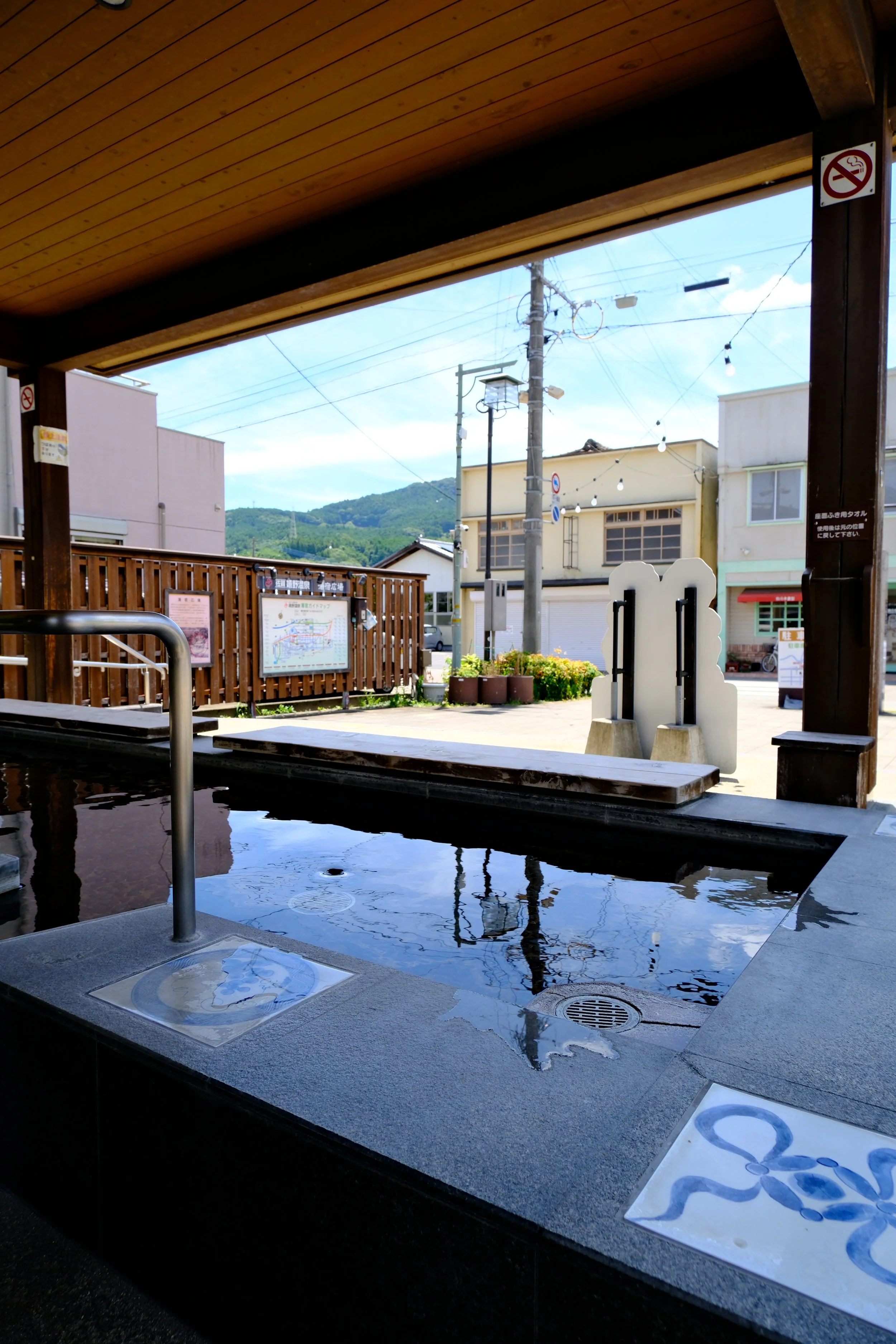
There is enough clustered around the downtown area that you can walk without much of a plan. Siebold no Yu, the town's public bath, is an obvious landmark. There are also three free public footbath areas around Ureshino, including Siebold no Ashiyu and Yushuku Hiroba, which also has a fairly unusual foot-steam bath. Toyotamahime Shrine, local tea shops and small businesses are all within the same general walking area.
I would give yourself an hour or two to poke around, rather than trying to turn the town into a to-do list.
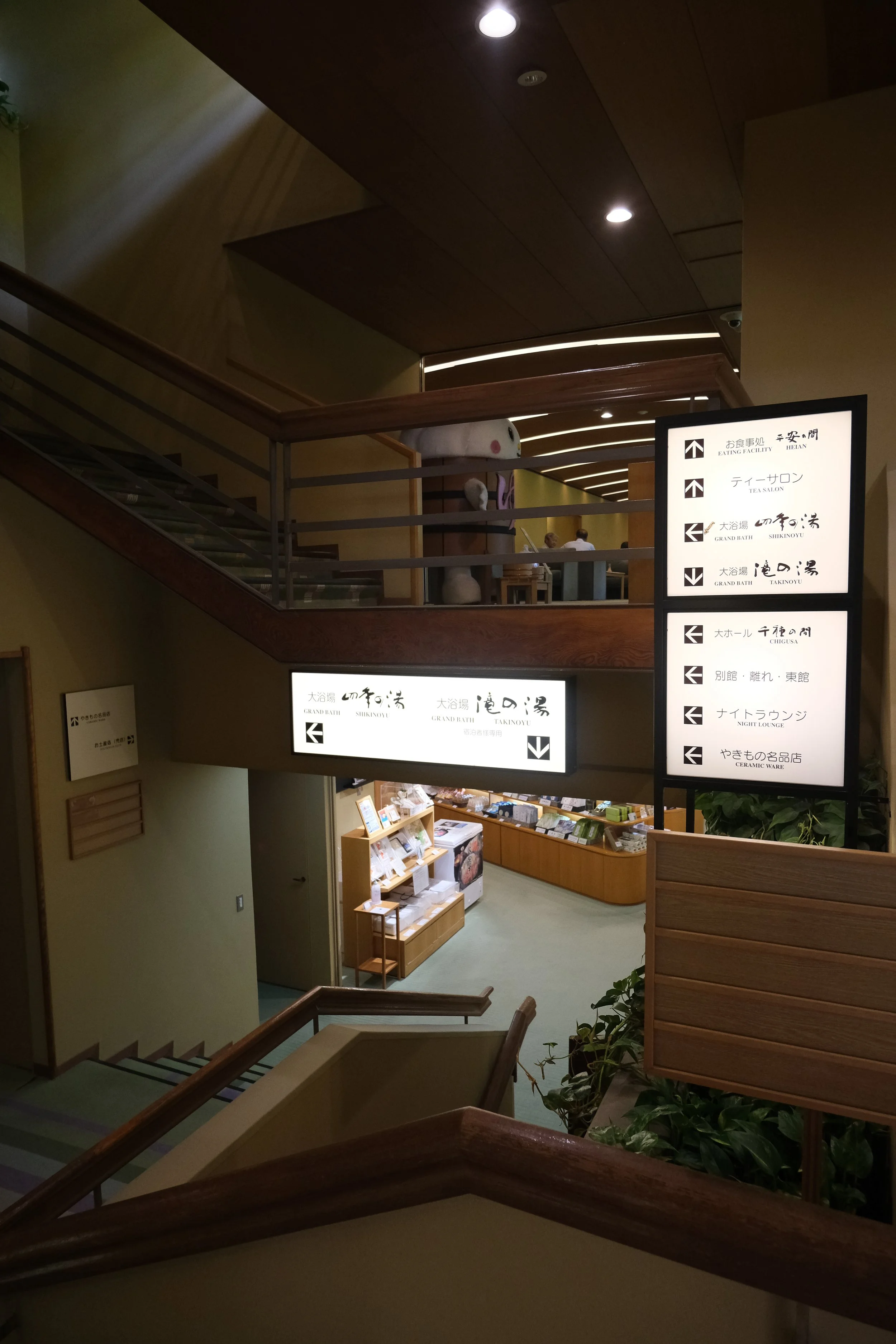
If I Were Staying Downtown, I’d Pick Taishoya
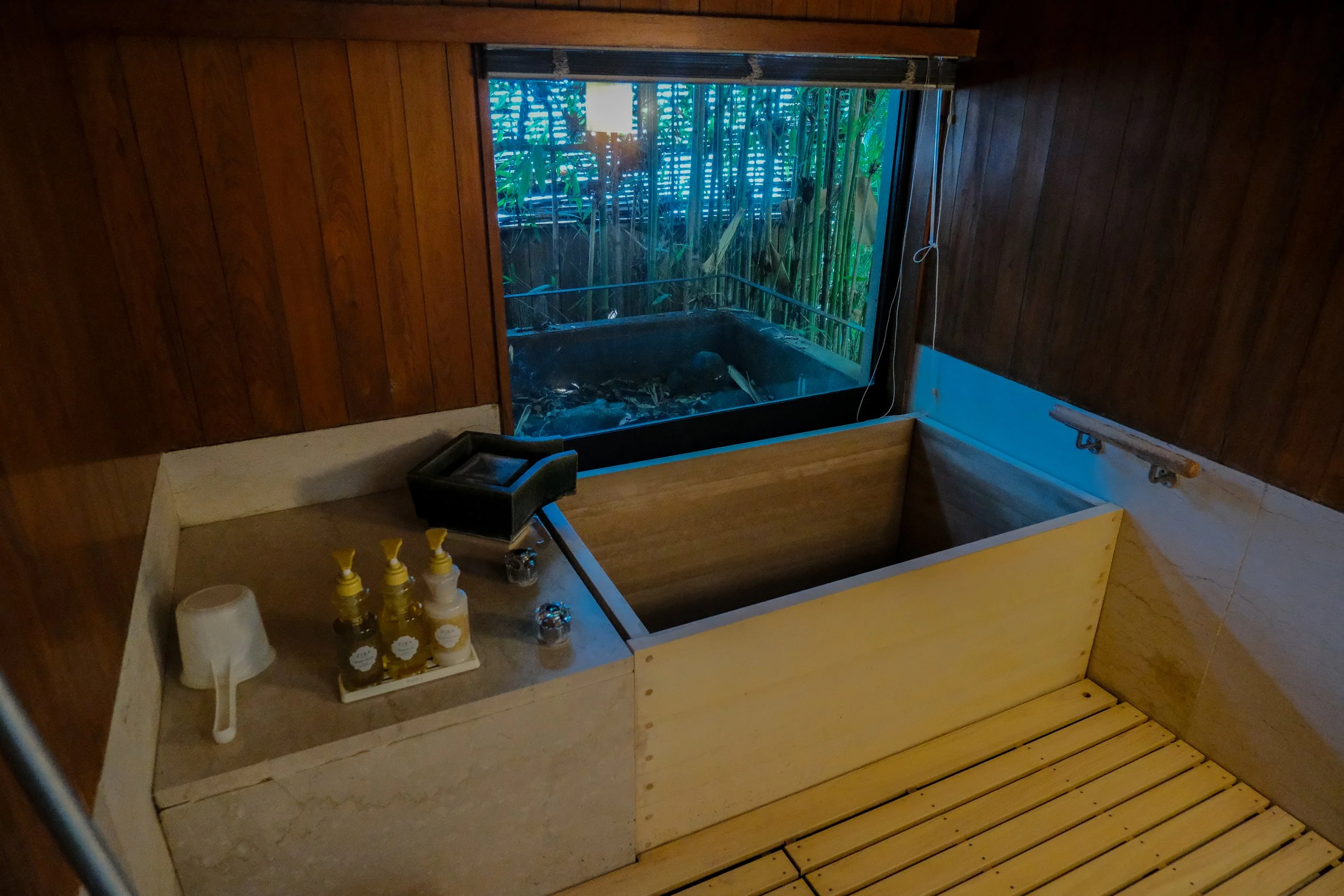
And this is one of those hotels where I don't think the photos completely explain why I like it.
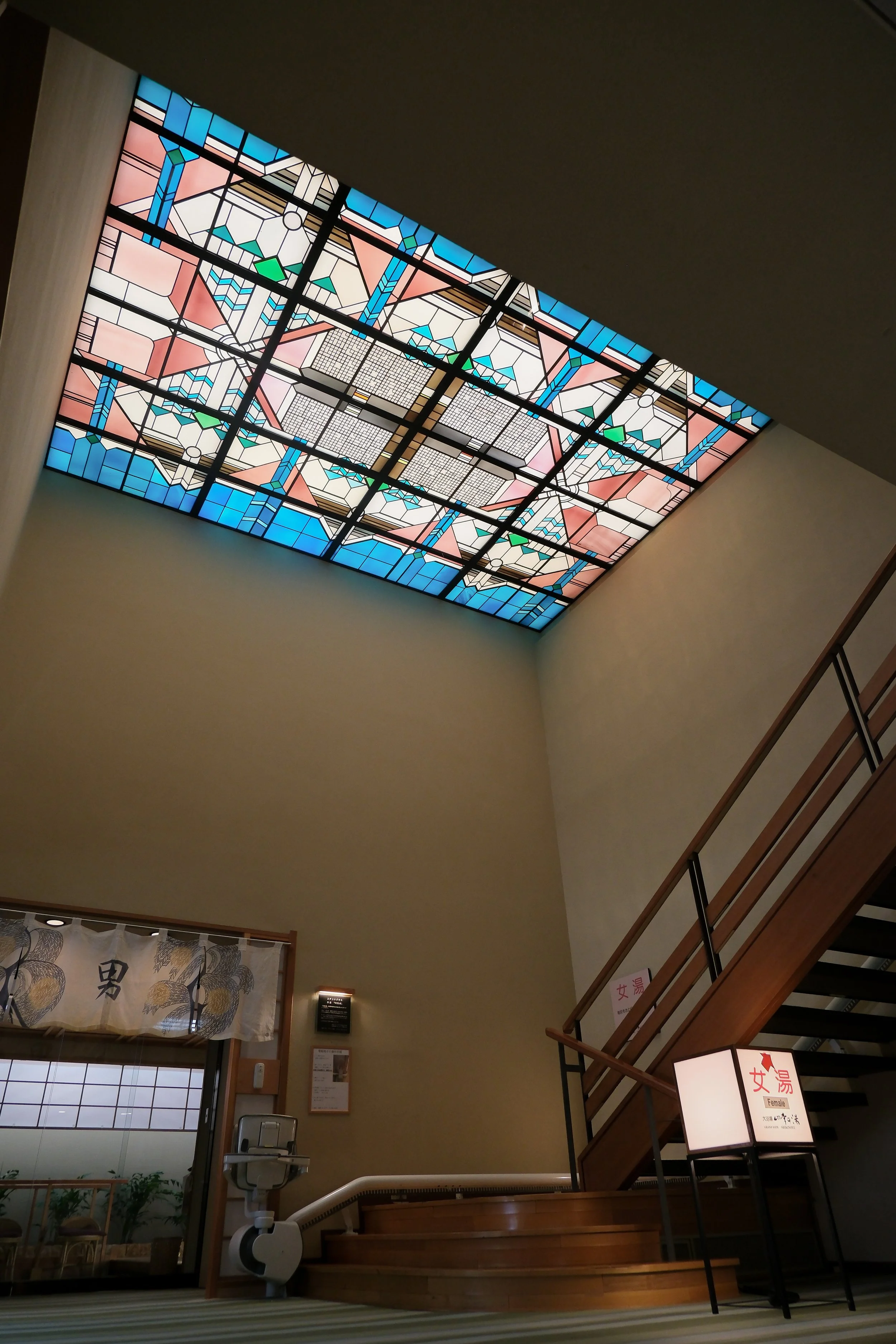
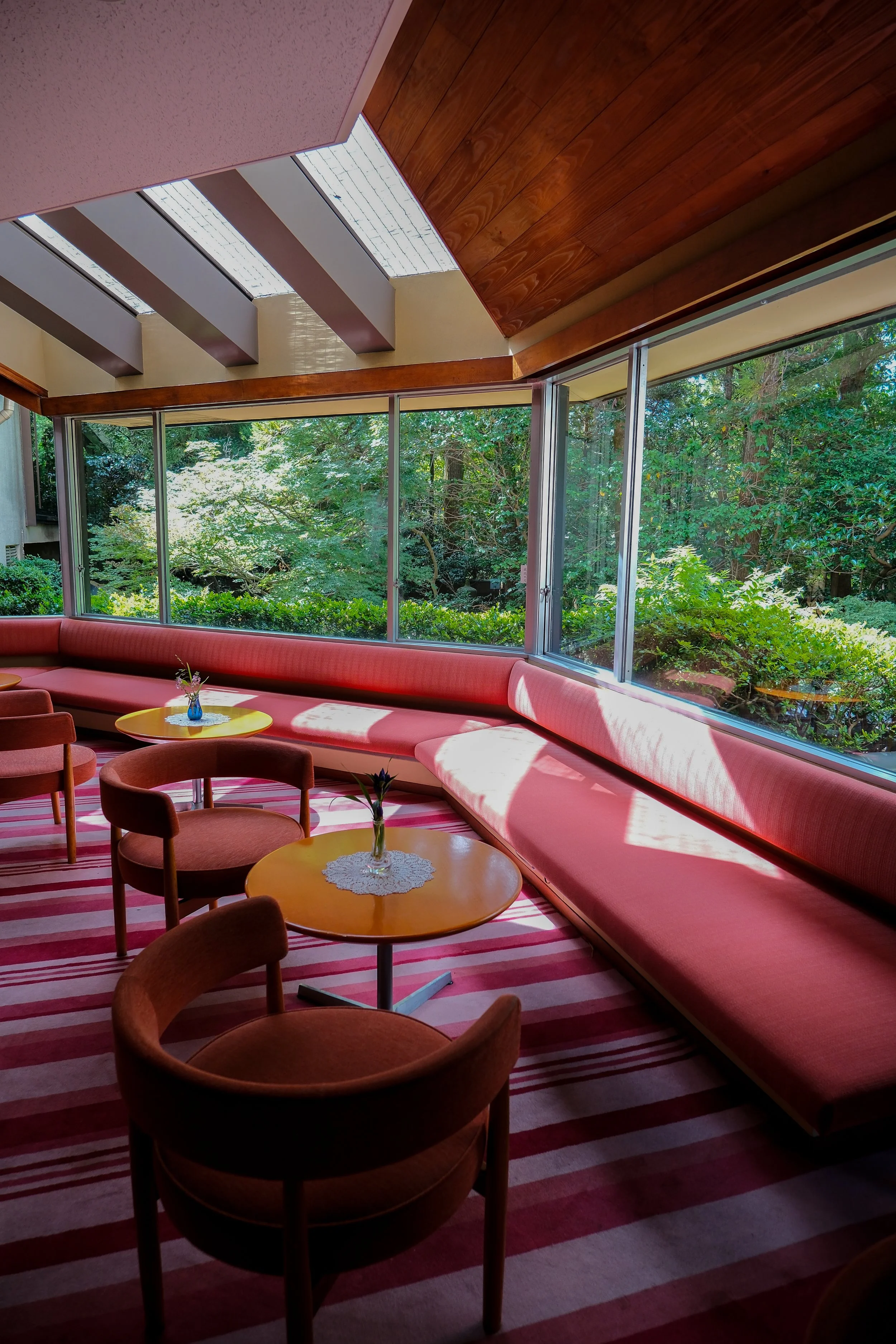
There are deep red carpets, retro typography, stained glass catching natural light, lush greenery and koi ponds tucked through the building. At night, you can settle into an old-fashioned lounge atmosphere with karaoke before returning for an elaborate dinner course. Some details feel almost frozen in another era, but not in a staged way.
It doesn't feel like someone built a "retro Showa hotel."
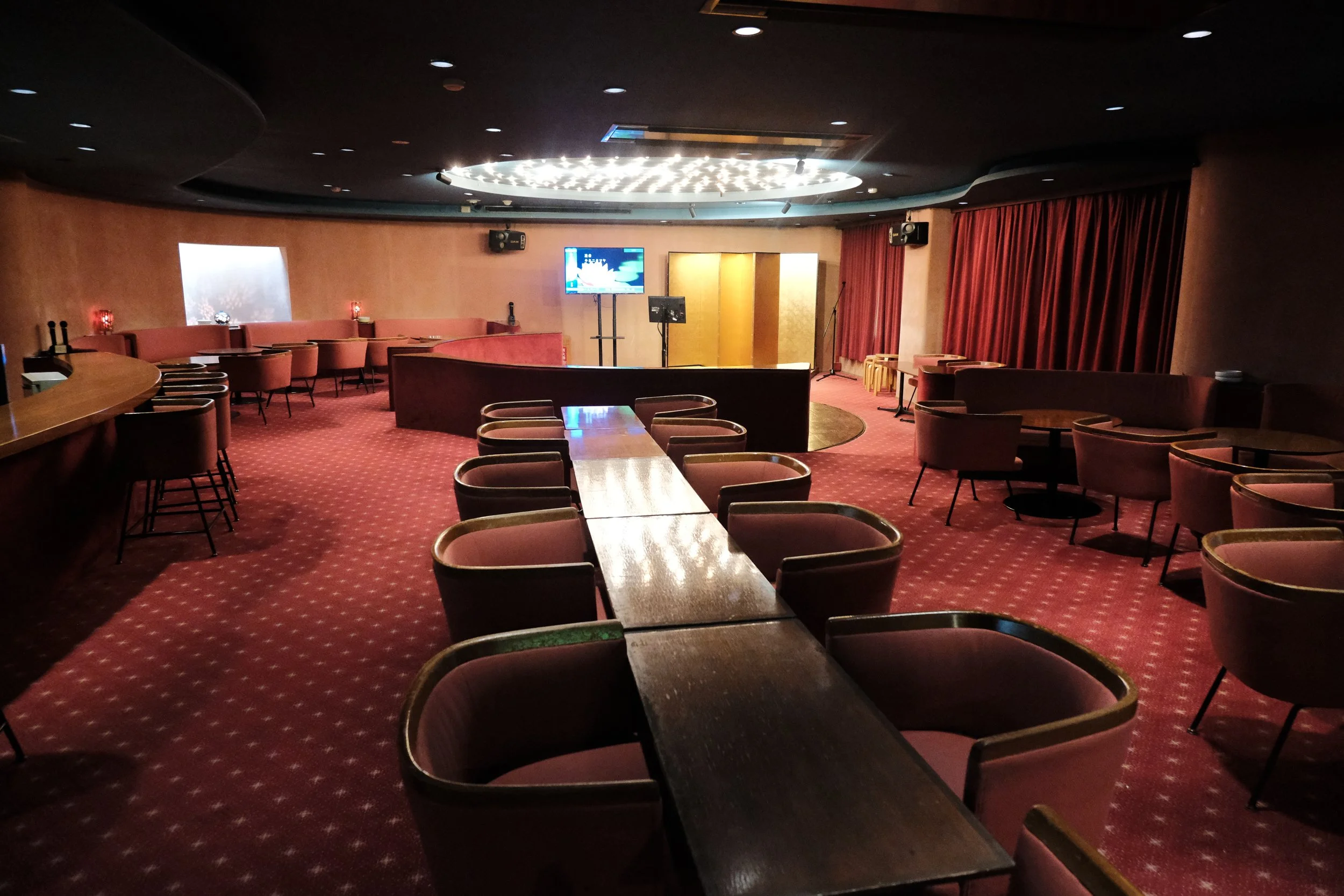
It just is one.
What made me appreciate it even more was the staff. They were warm, curious and genuinely welcoming, and that made the age of the property feel like something being actively cared for rather than simply preserved.
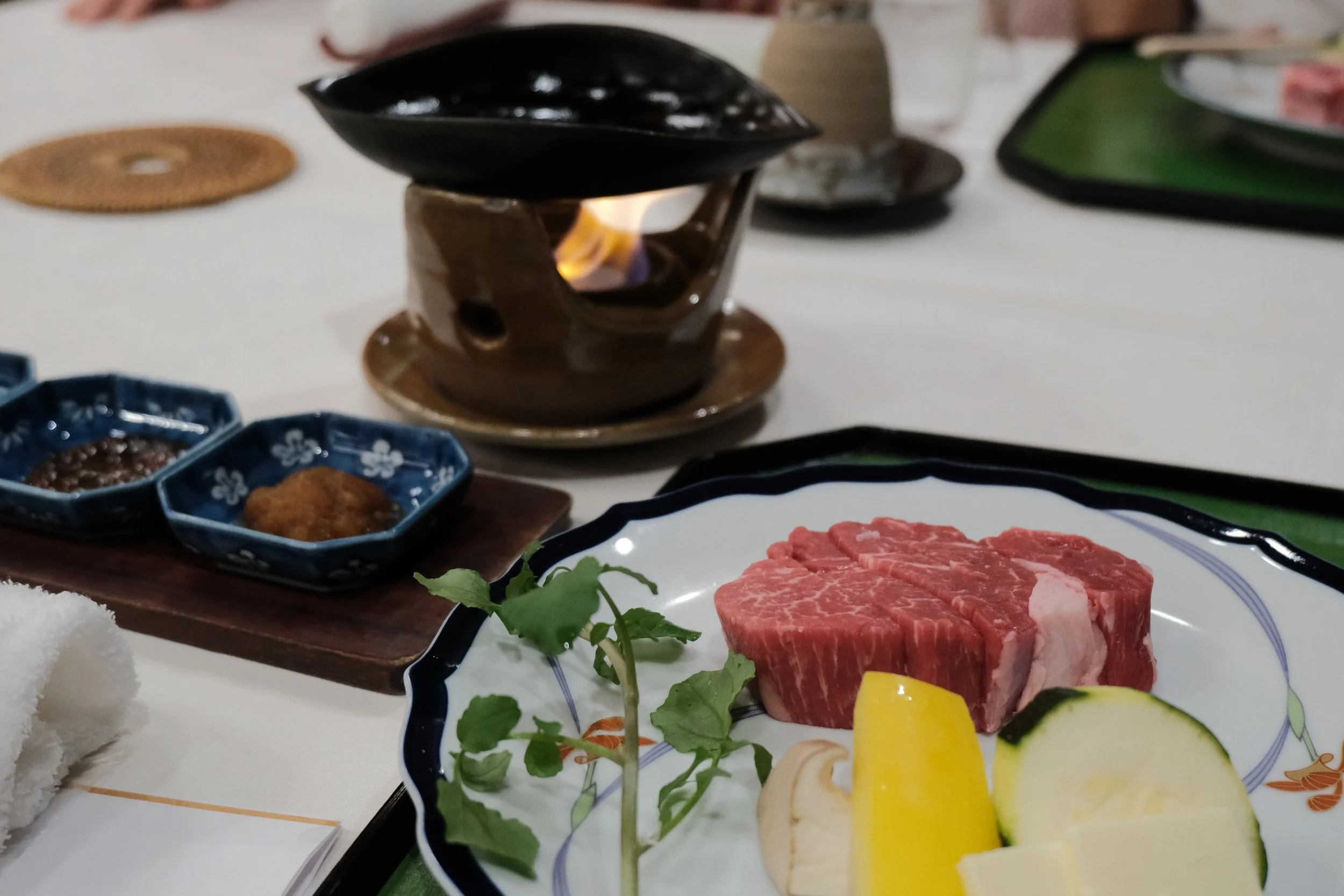
Taishoya also gives overnight guests access to multiple baths across its group properties, including its sister property Shiibasanso, so you can comfortably make the ryokan itself a large part of the experience.
Drink Your Tea at a Bar
Ureshino's tea culture is moving well beyond simply serving a pot of green tea with sweets.
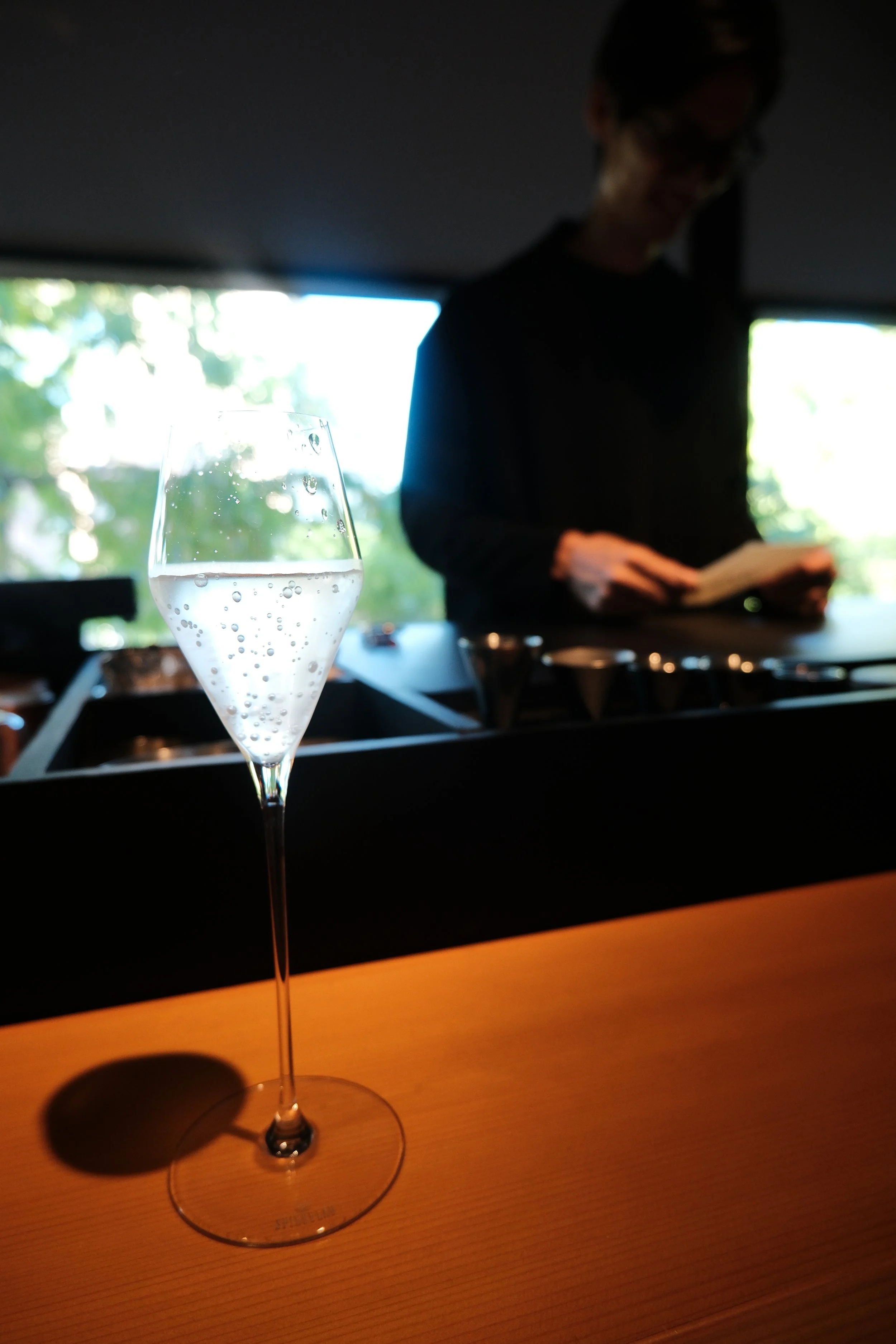
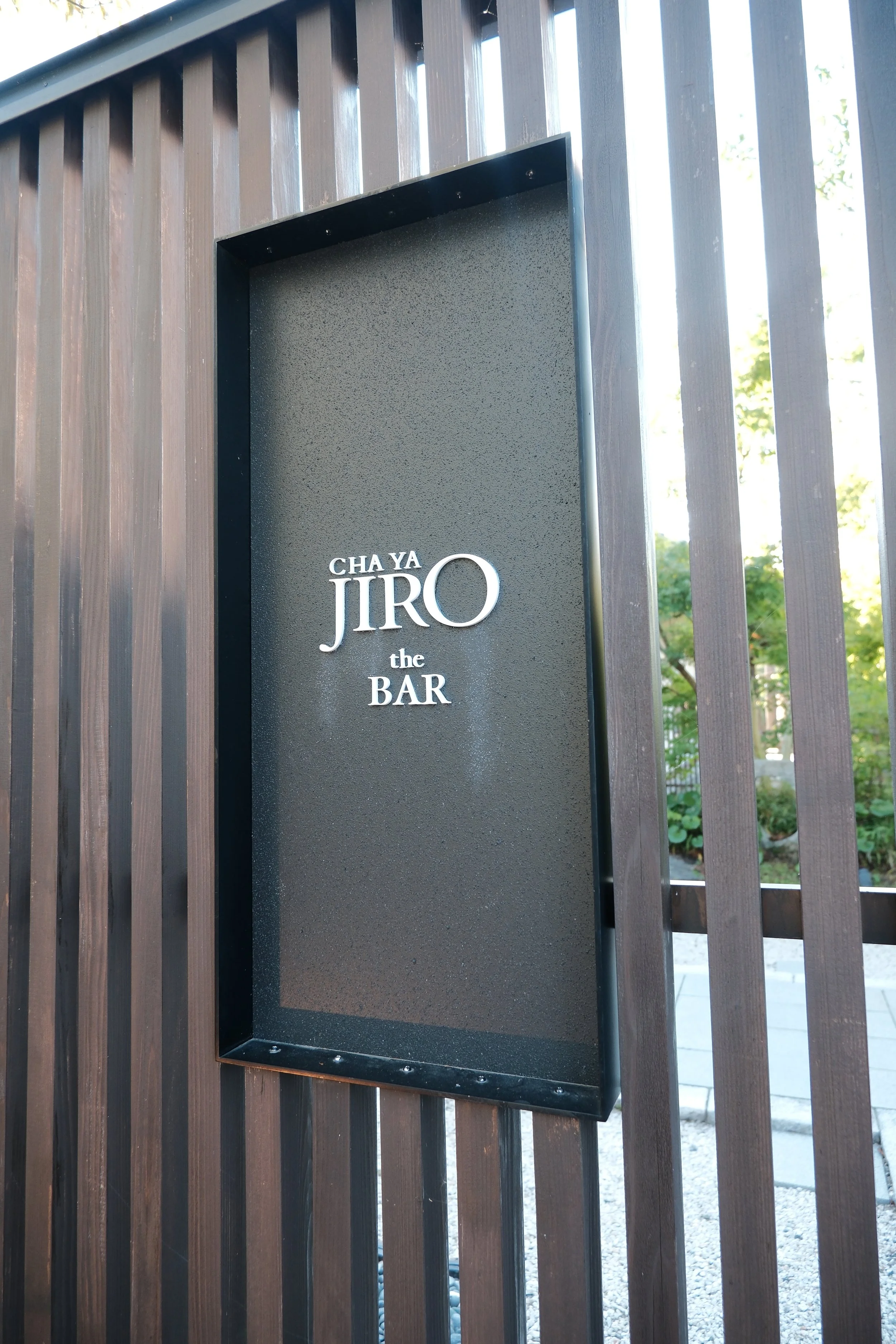
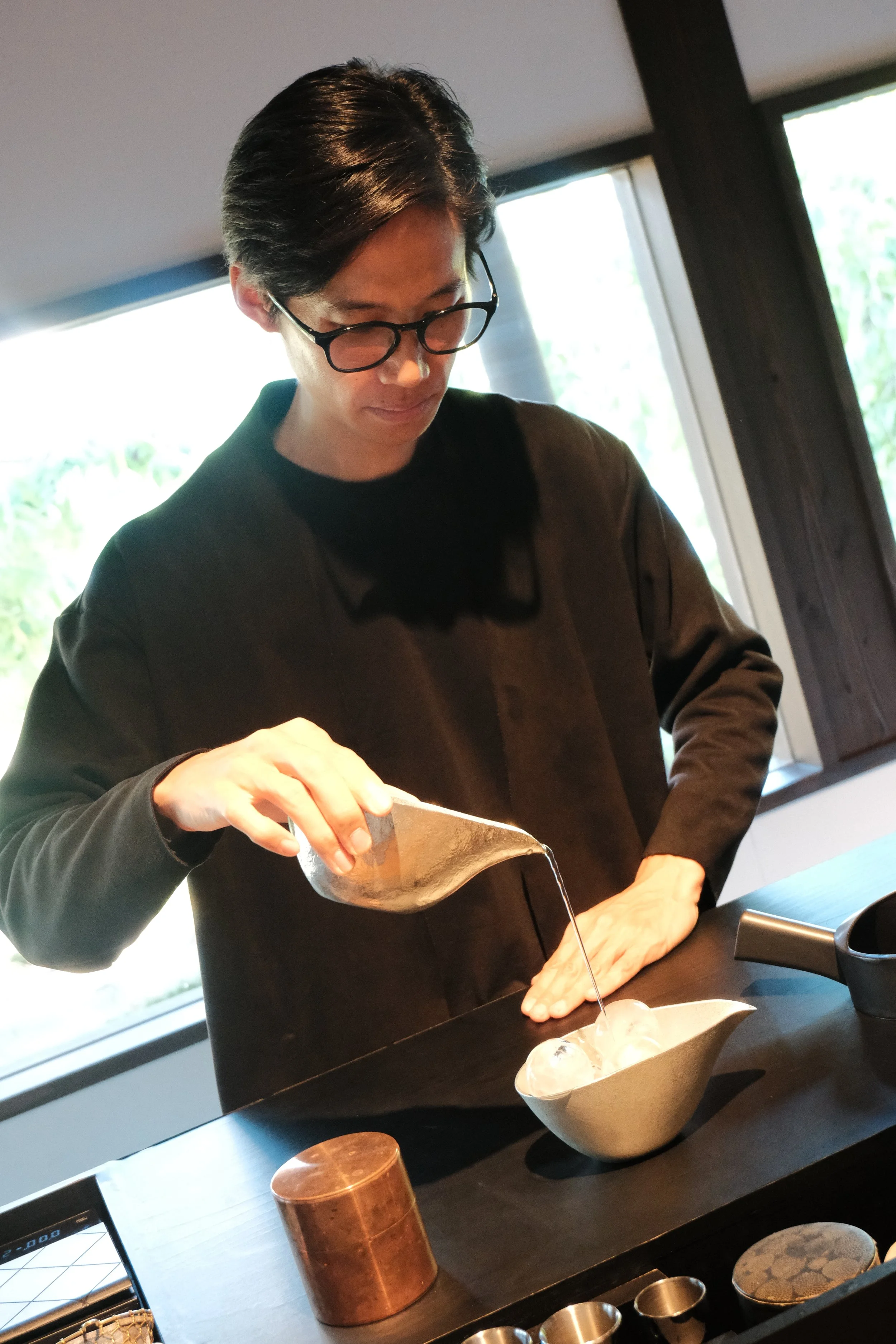
One place I particularly enjoyed was Chaya Jiro the BAR, located inside Warakuen. Chaya Jiro is run by tea farmer Jiro Matsuda, who trained for five years before establishing himself as an independent producer in 2020. His bar uses his own teas in drinks ranging from straightforward brewed tea to cocktails such as hojicha highballs and tea-and-rum lattes.
It is a good example of what I think Ureshino does well when it gets tourism right: taking something deeply associated with the region and presenting it in a way that feels contemporary without stripping away the reason it belongs here in the first place.
The bar itself is small and atmospheric, and this is where I would go if you want a more premium tea experience rather than simply buying a packet of Ureshino-cha as a souvenir.
At the time of writing, the BAR is generally open Friday and Saturday from 20:00–25:00, so this is one I would absolutely check before building into your itinerary.
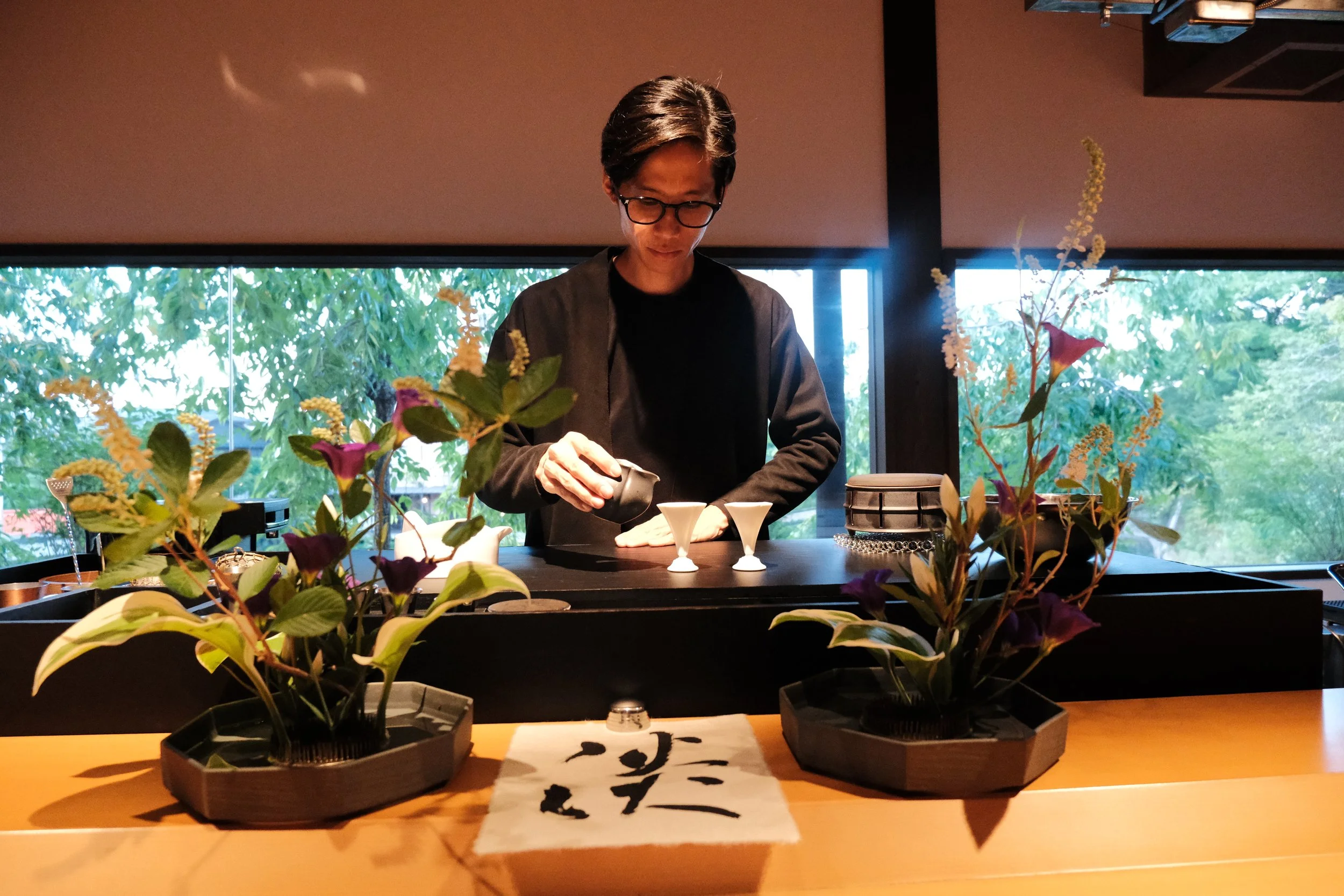
Ureshino Yadoya: The New Version of Tea Tourism
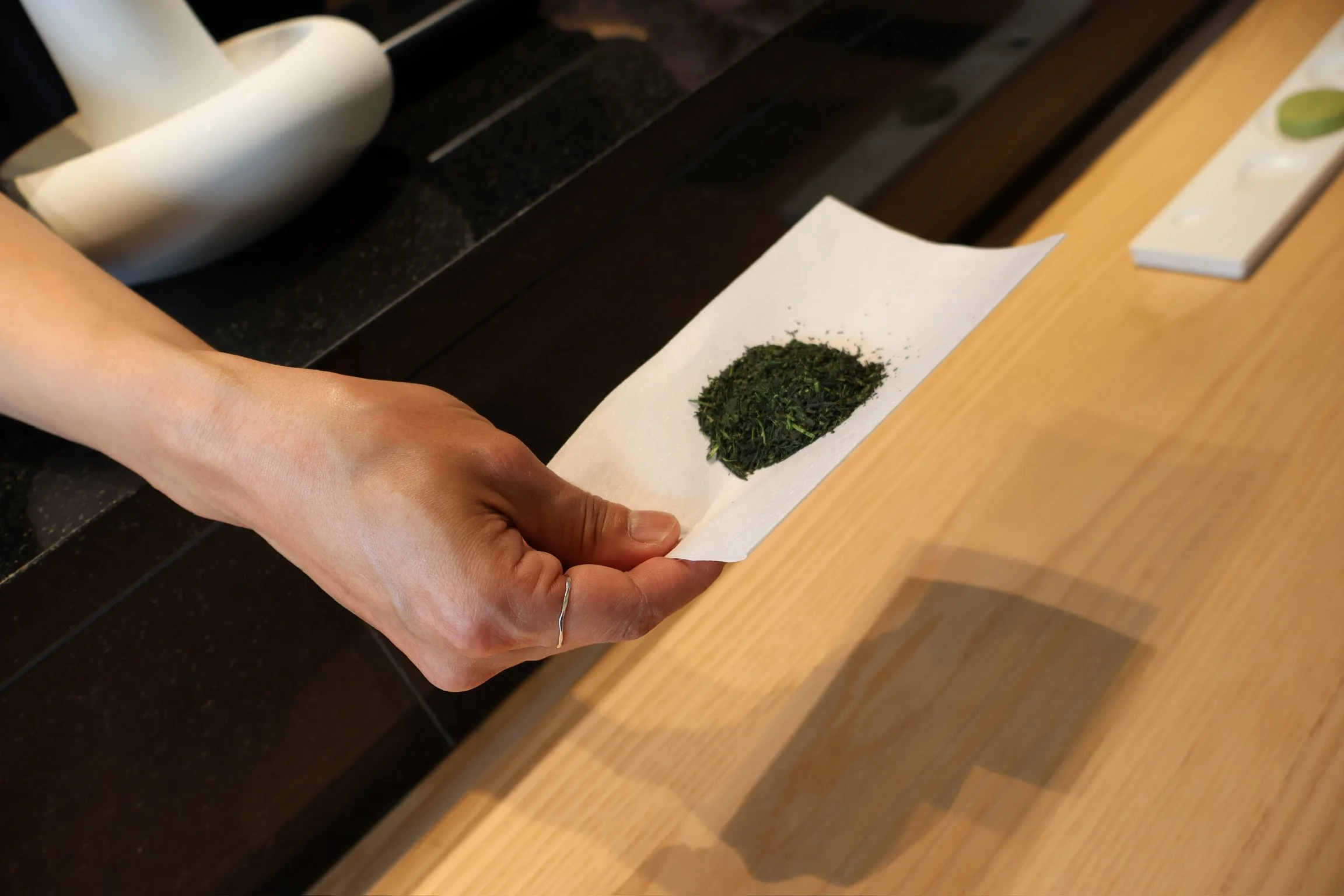
On the other end of the spectrum is Ureshino Yadoya, also known as Ureshino Yadoya 88 / 嬉野八十八.
This is a much newer interpretation of what an Ureshino stay can look like. Tea is integrated into almost everything: there is a dedicated tea ceremony room, tea-focused experiences, a shop, and a tea bar called Chatsubo overlooking a water garden. The bar serves both Ureshino teas and cocktails incorporating local tea, while some room categories can be booked with an all-inclusive plan that includes selected drinks and experiences.
If Taishoya feels like stepping backwards into the history of Ureshino tourism, Yadoya feels like someone asking what the next version of it should be.
I think both are worth seeing, but Yadoya comes at a premium. It’s much more costly, for a less “authentic”, albeit much more “comfortable” experience.
Leave Downtown for a visit to RAKUYA
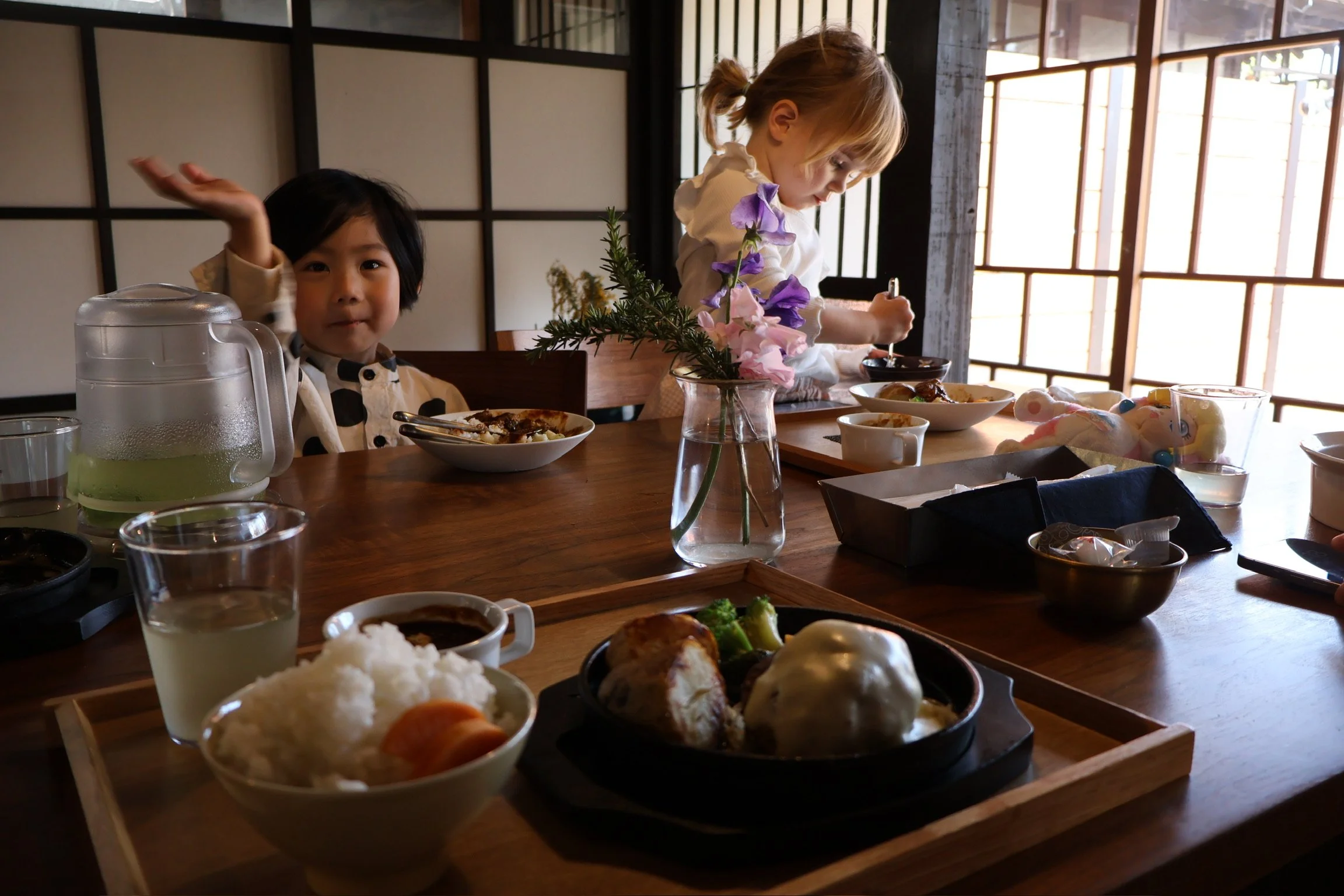
Another experience I enjoyed was RAKUYA, over in Shiota.
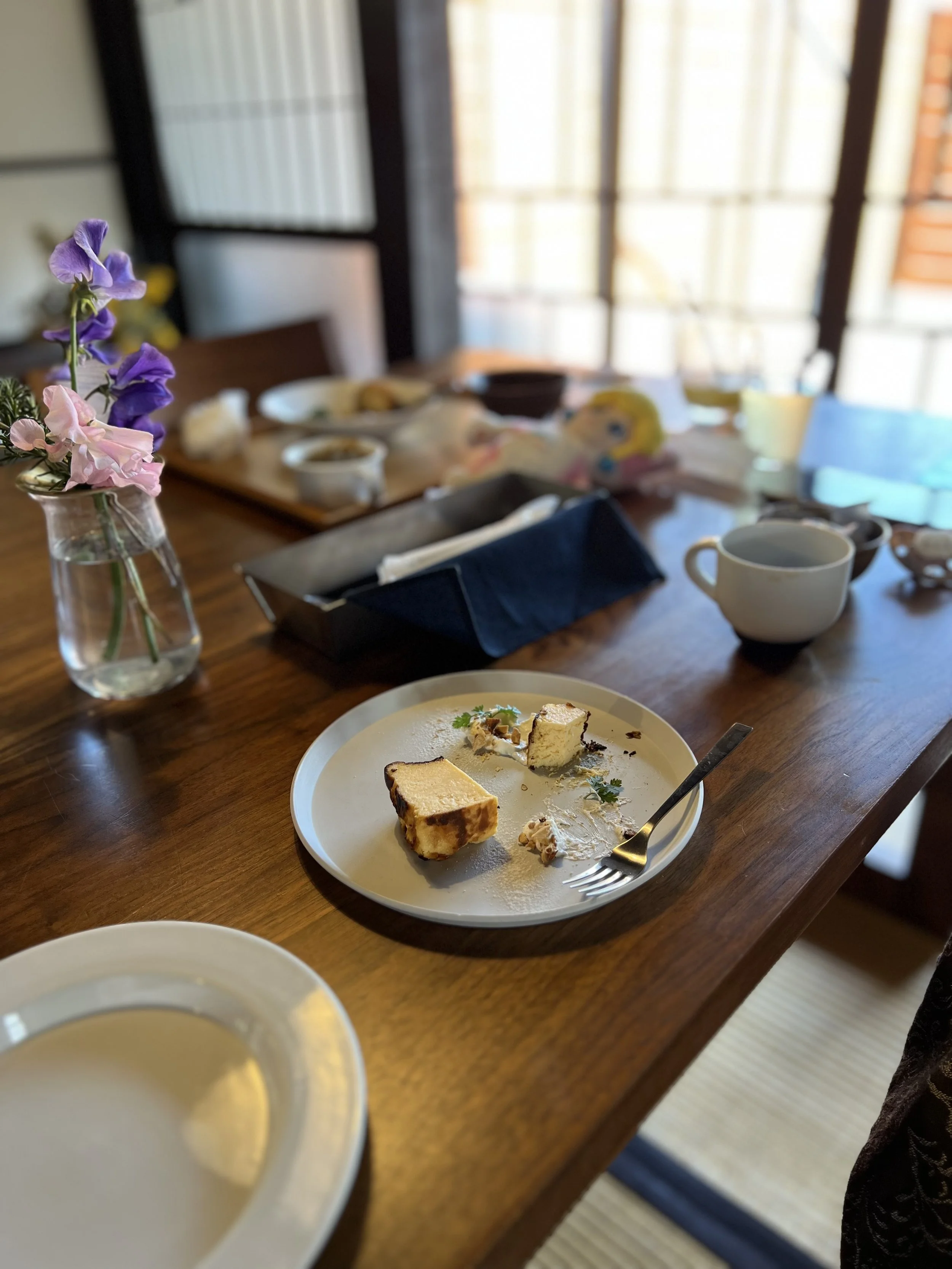
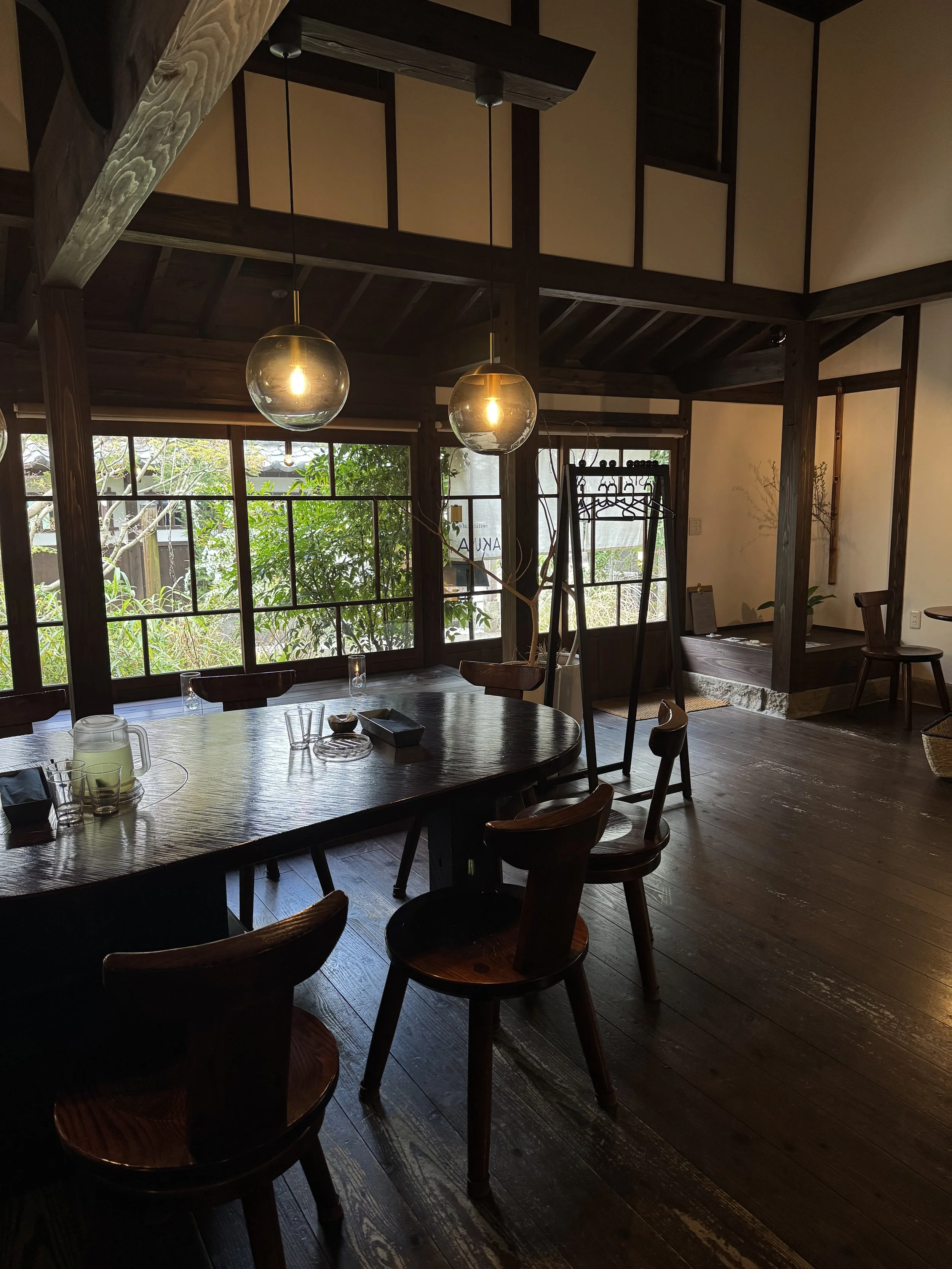
The restaurant occupies a renovated roughly 180-year-old Japanese home in the historic Shiota area, and manages to keep the atmosphere of the old building without making the food itself feel overly traditional.
Their signature at the time was a lunch set served “raclette” style with hot cheese, but this shop no longer serves lunch and now only does sweets and coffee.
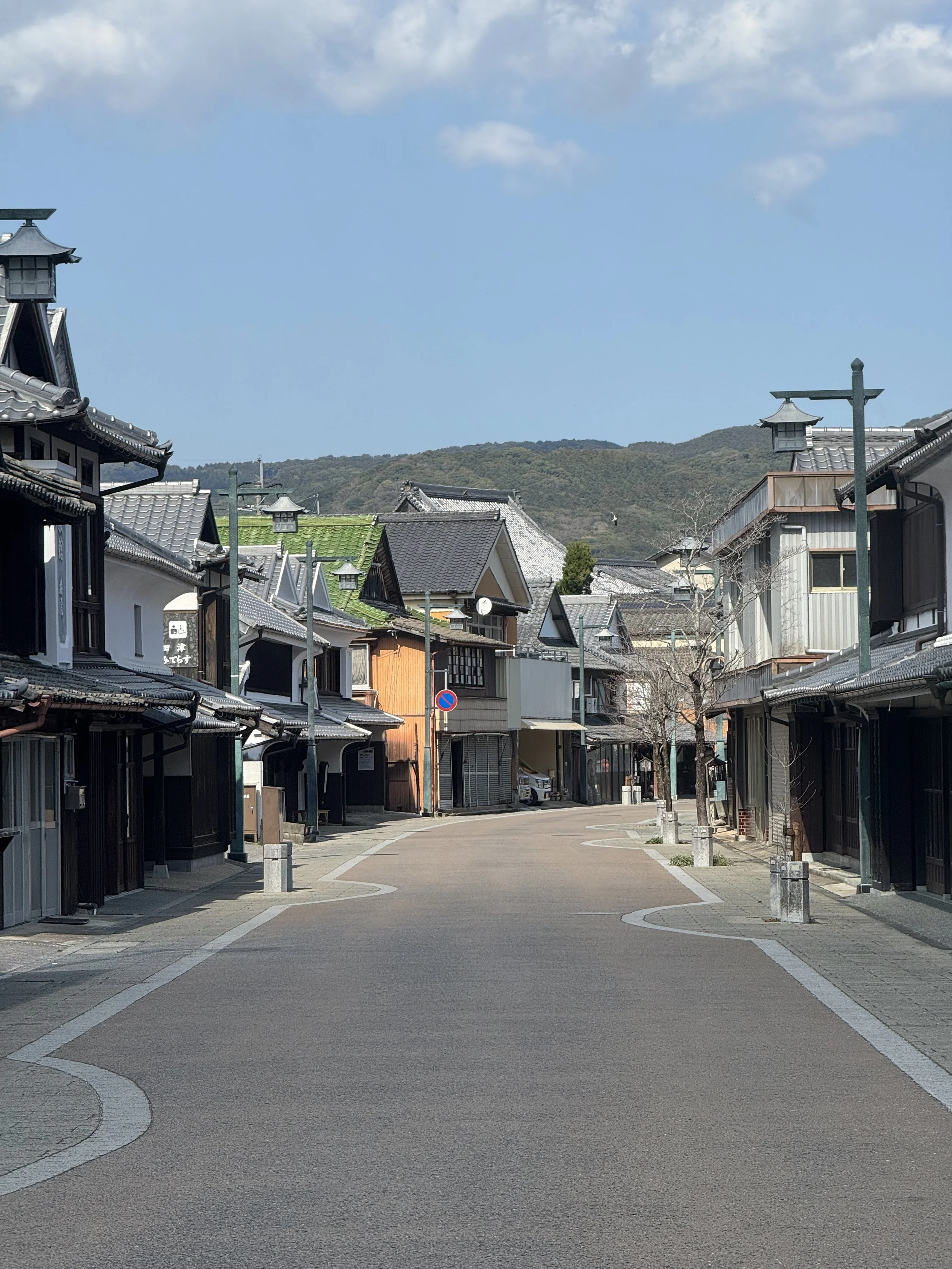
Still, the building itself is gorgeous, authentically Japanese, peaceful, and shiota itself is also worth spending some time in.
The area once developed around both the Nagasaki Kaido and river transport, and its old merchant district, Shiota-tsu, is now designated as an Important Preservation District for Groups of Traditional Buildings.
This makes it an easy addition if you have a car and want to see something beyond the main hot spring town.
Ureshino Works Best When You See Both Versions
I don't think I would come to Ureshino solely for a luxury hotel and never leave it, that’s my personal opinion. That being said, I can see the appeal of a condensed experience for tourists who have very little time or capacity to take in all the context of an entire region while on a very short trip to Japan.
Places like Ureshino Yadoya make the region's tea culture accessible to travellers who might otherwise have no idea how to approach it. They package the history neatly, provide a comfortable introduction, and give Ureshino a reason to compete with more fashionable destinations.
Then you can walk outside and find the other Ureshino: the slightly fading one.
The public bath, the footbaths, the old ryokan signs, the small stores and buildings that clearly belonged to a different era of domestic tourism.
For me, the contrast between the two is the story.
Ureshino isn't a perfectly preserved onsen town, and it’s not a tourist attraction in of itself. It is a real town trying to work out what survives, what disappears, and what gets rebuilt for the next generation.
Having realistic expectations about what it can offer you will make all the difference in your visit.
Ureshino Onsen Visitor Information
English Friendly: 3/5
Larger hotels, major tourism facilities and newer properties generally have English information available. Smaller businesses and local establishments can still be heavily Japanese-language oriented, but the main downtown area is straightforward enough to explore with translation tools.
Access by Car:
Approximately 25–30 minutes from Takeo Onsen to central Ureshino Onsen. From central Fukuoka City, allow roughly 1 hour 20–30 minutes via the expressway under normal traffic conditions. Ureshino IC is only around five minutes from the main hot spring district.
Access by Train:
The Nishi Kyushu Shinkansen stops at Ureshino-Onsen Station. From the station, central Ureshino Onsen is roughly 2km away—about 3–5 minutes by taxi or around 7–8 minutes by local bus.
Access by Bus:
Approximately 7–8 minutes from Ureshino-Onsen Station to Ureshino Onsen Bus Center. Highway buses also connect Ureshino with Fukuoka, although schedules should be checked before travel.
Address in English:
Taishoya
2276-1 Shimojuku Otsu, Ureshino-machi, Ureshino, Saga 843-0301, Japan
This is a useful central landmark for exploring the downtown onsen district.
Google Maps:
Ureshino Onsen on Google Maps
Opening Hours:
Ureshino itself can be explored throughout the day. Individual businesses set their own schedules. Siebold no Yu is currently open 6:00–22:00, with last entry at 21:30, and closes on the third Wednesday of each month.
Estimated Costs:
Walking around the town and using the public footbaths: Free.
Tea, cocktails, meals and hotel experiences vary significantly depending on the venue.
Best Way to Explore:
Stay overnight in the downtown area and explore the onsen district on foot. A car becomes useful if you want to add Shiota, tea fields, pottery areas or destinations farther outside central Ureshino.
