Hakata Gion Yamakasa: Experiencing Fukuoka’s Most Important Summer Festival
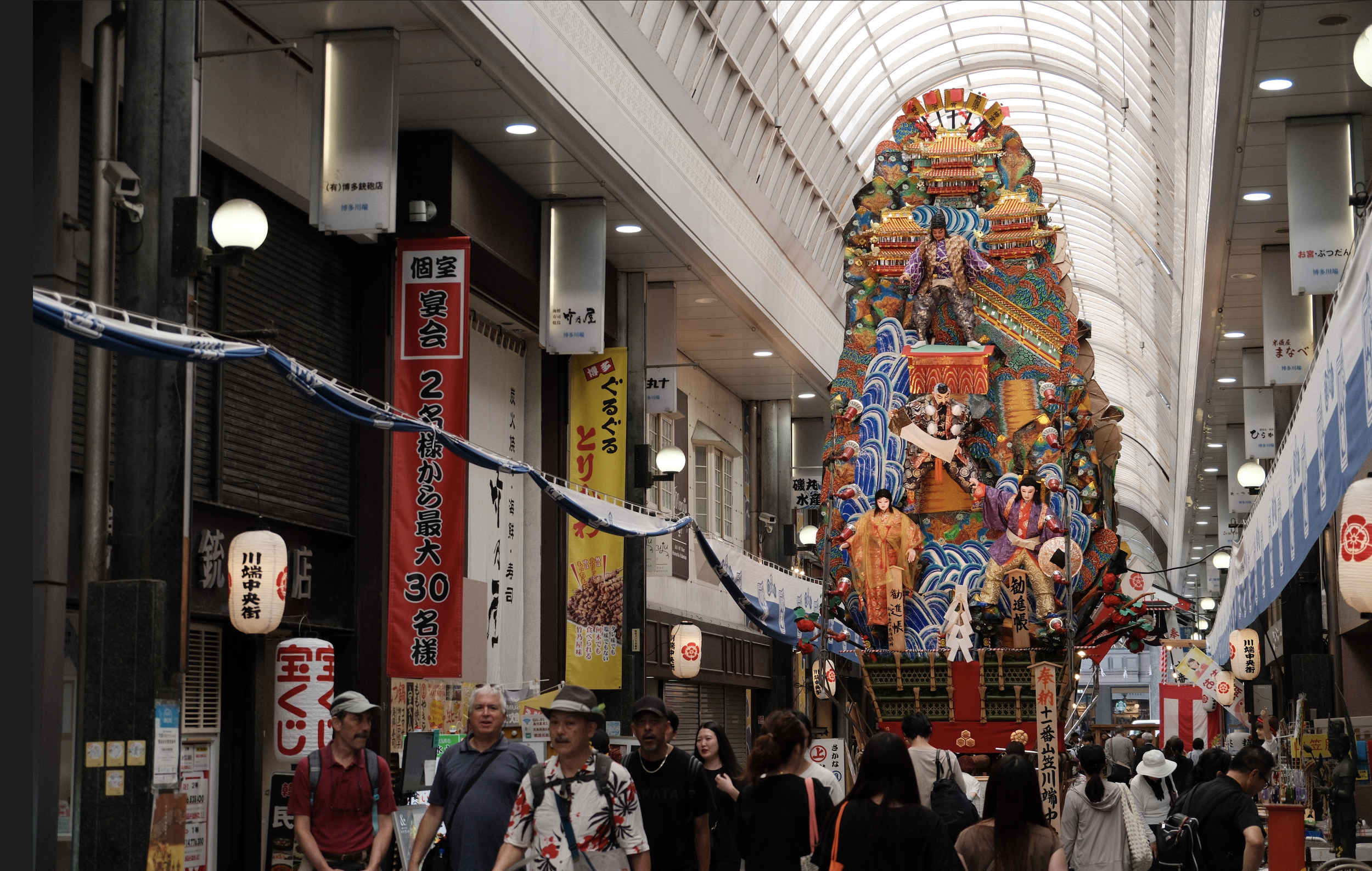
Held every July, Hakata Gion Yamakasa fills central Fukuoka with towering decorative floats, centuries-old rituals and an intense final race through the streets of Hakata.
Local confession: even though I live in Fukuoka, I have only been to Yamakasa’s main event, the Oiyama, a handful of times over the years. The race starts before sunrise, the crowds are intense, and I am very much not a morning person. Still, Hakata Gion Yamakasa is one of those events I think is worth experiencing at least once while you are in Fukuoka. It is not simply a festival put on for visitors, but a deeply rooted part of Hakata’s identity, shaped by neighbourhood traditions that have been passed down for centuries.
Hakata Gion Yamakasa is held annually from July 1 to 15 and has a history dating back to 1241. The festival is dedicated to Kushida Shrine and is traditionally associated with prayers for good health and protection from illness. It is designated as an Important Intangible Folk Cultural Property of Japan and forms part of UNESCO’s “Yama, Hoko, Yatai, float festivals in Japan” inscription.
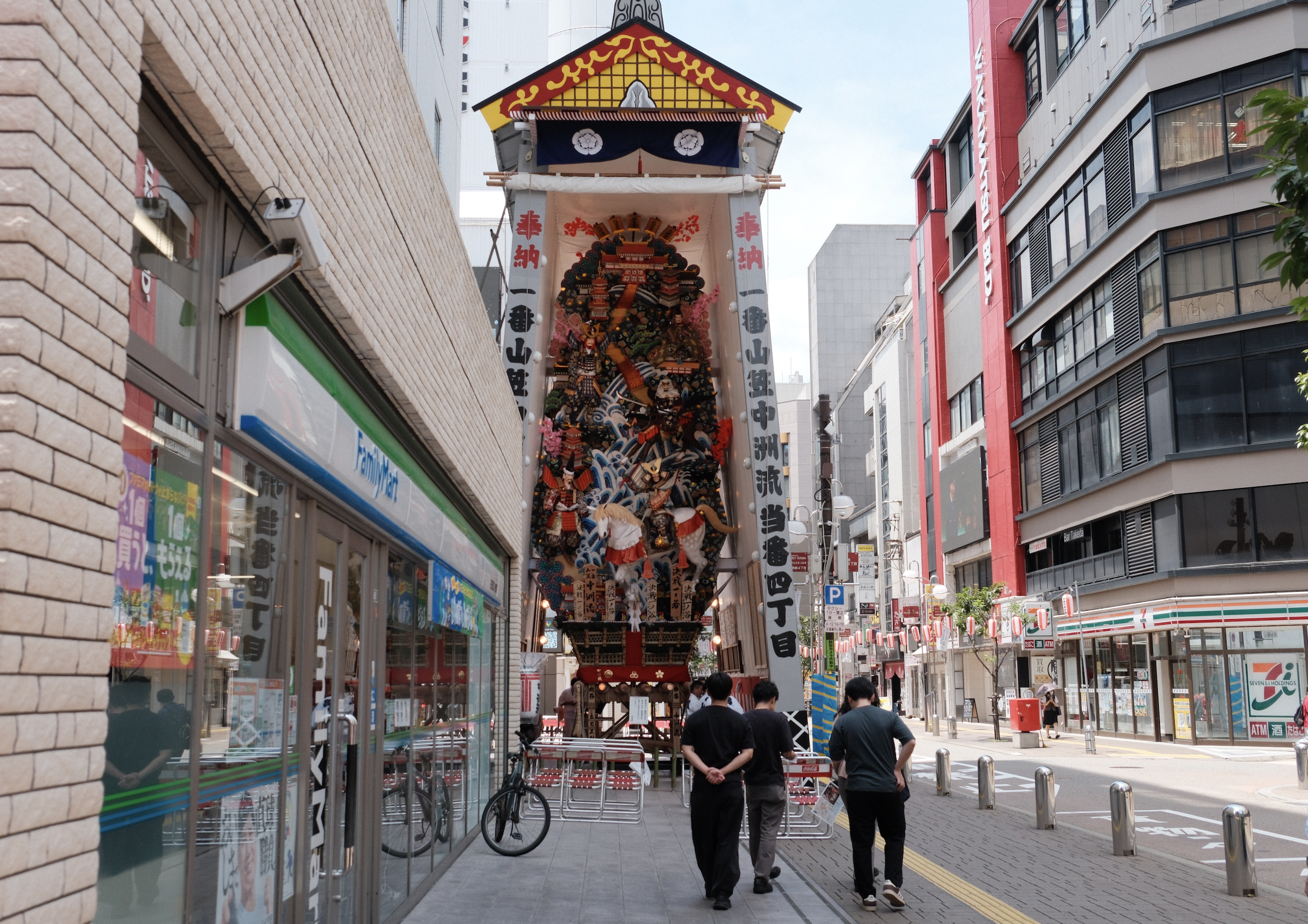
Kazariyama and Kakiyama: Two Different Types of Yamakasa
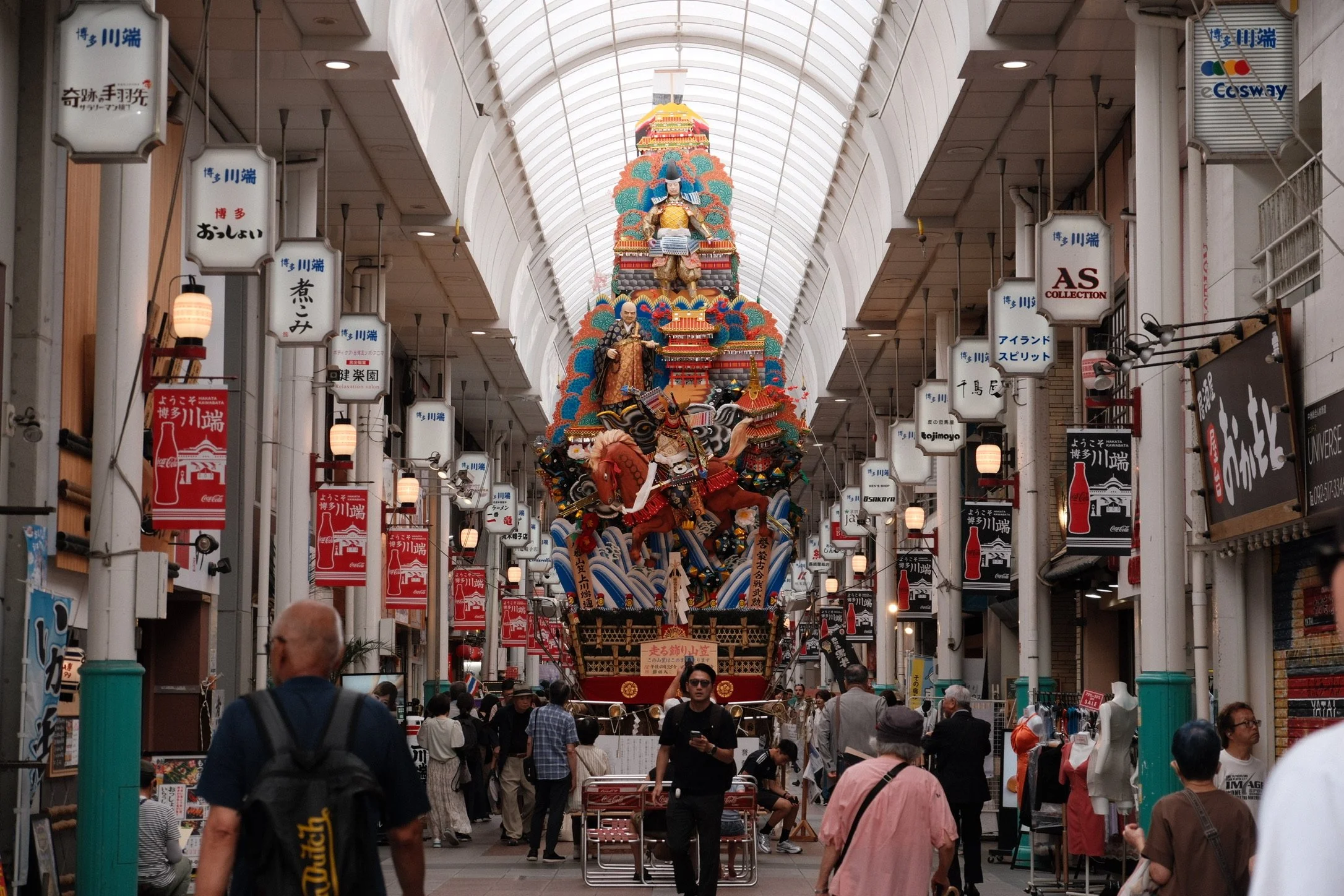
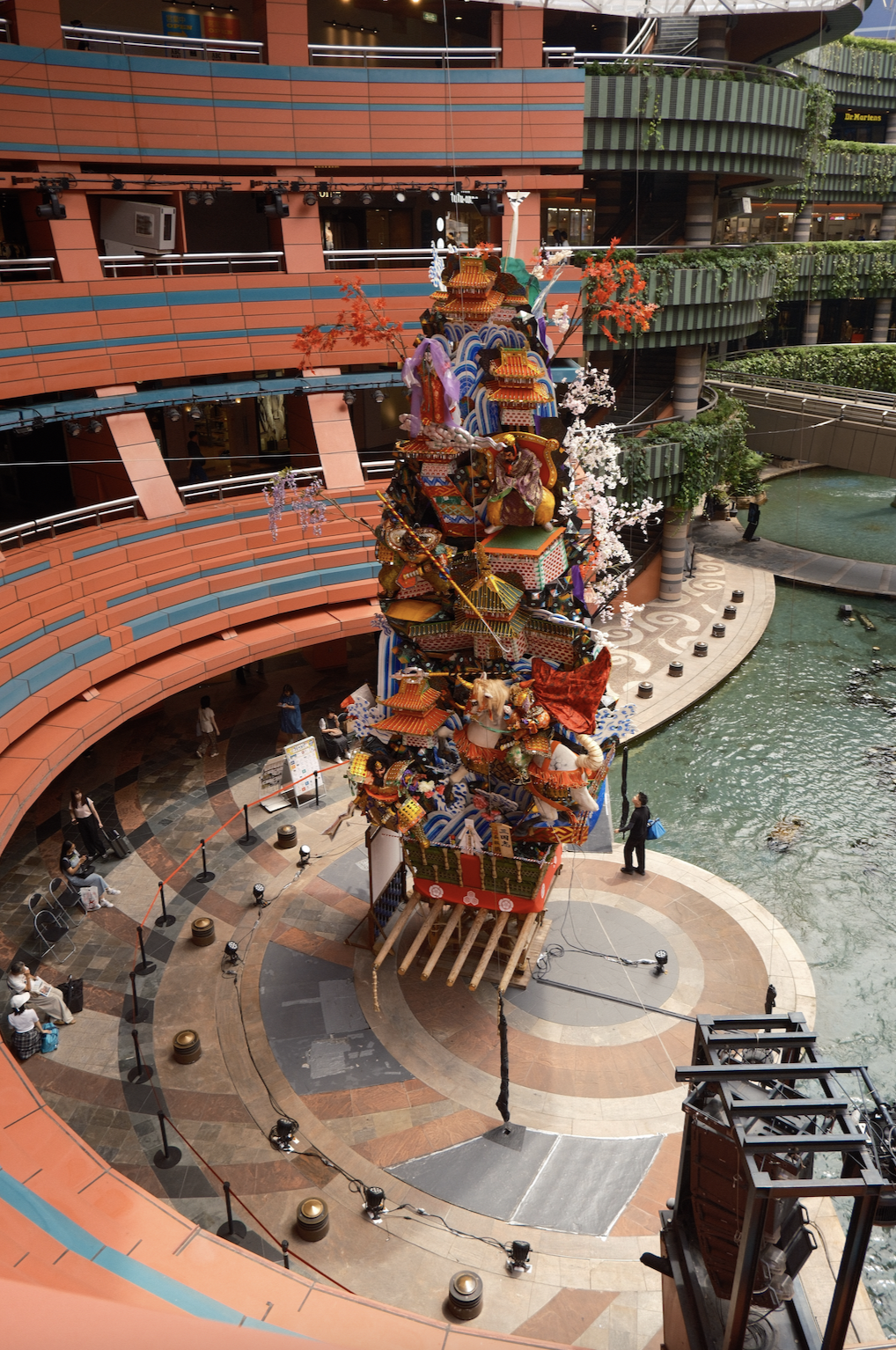
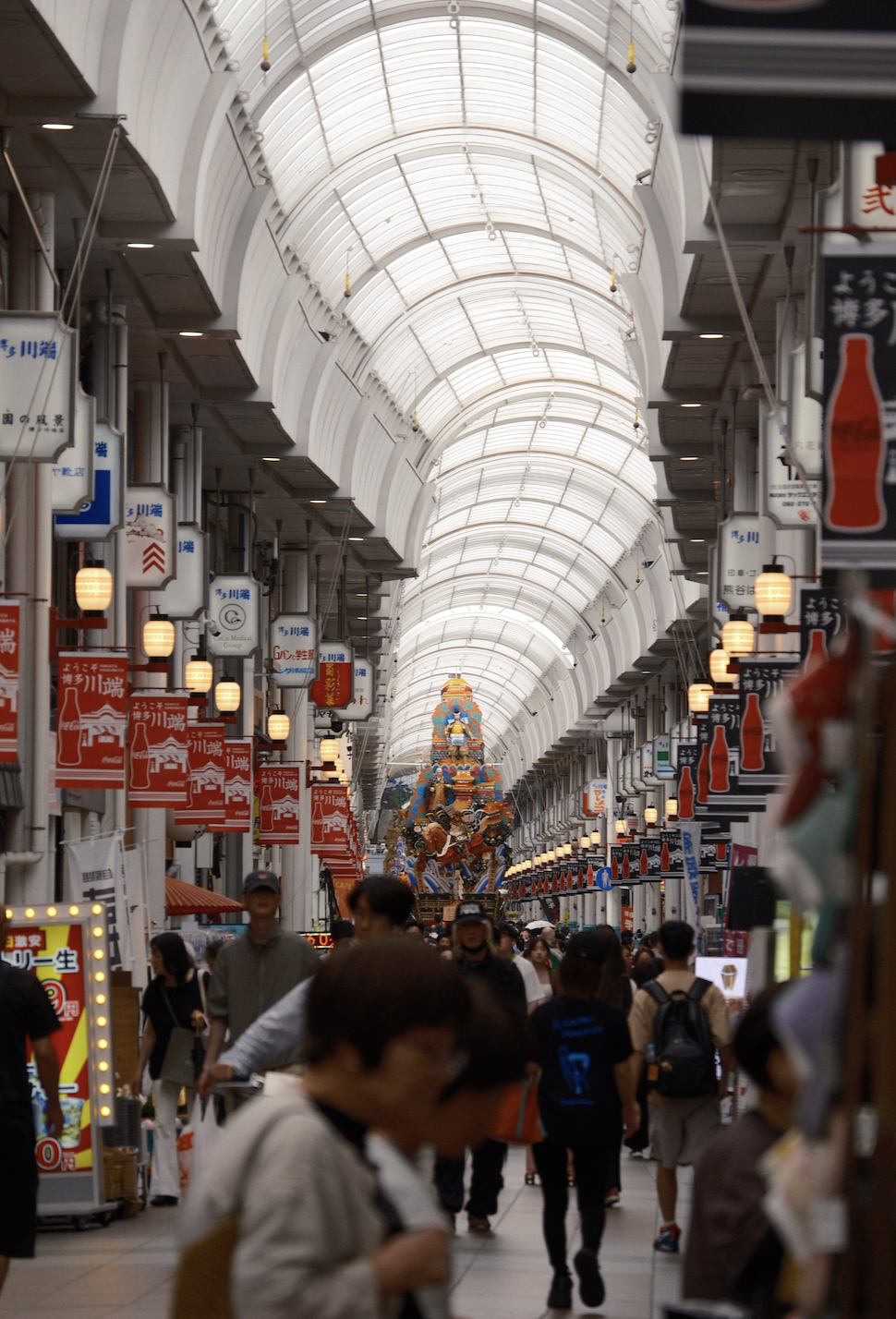
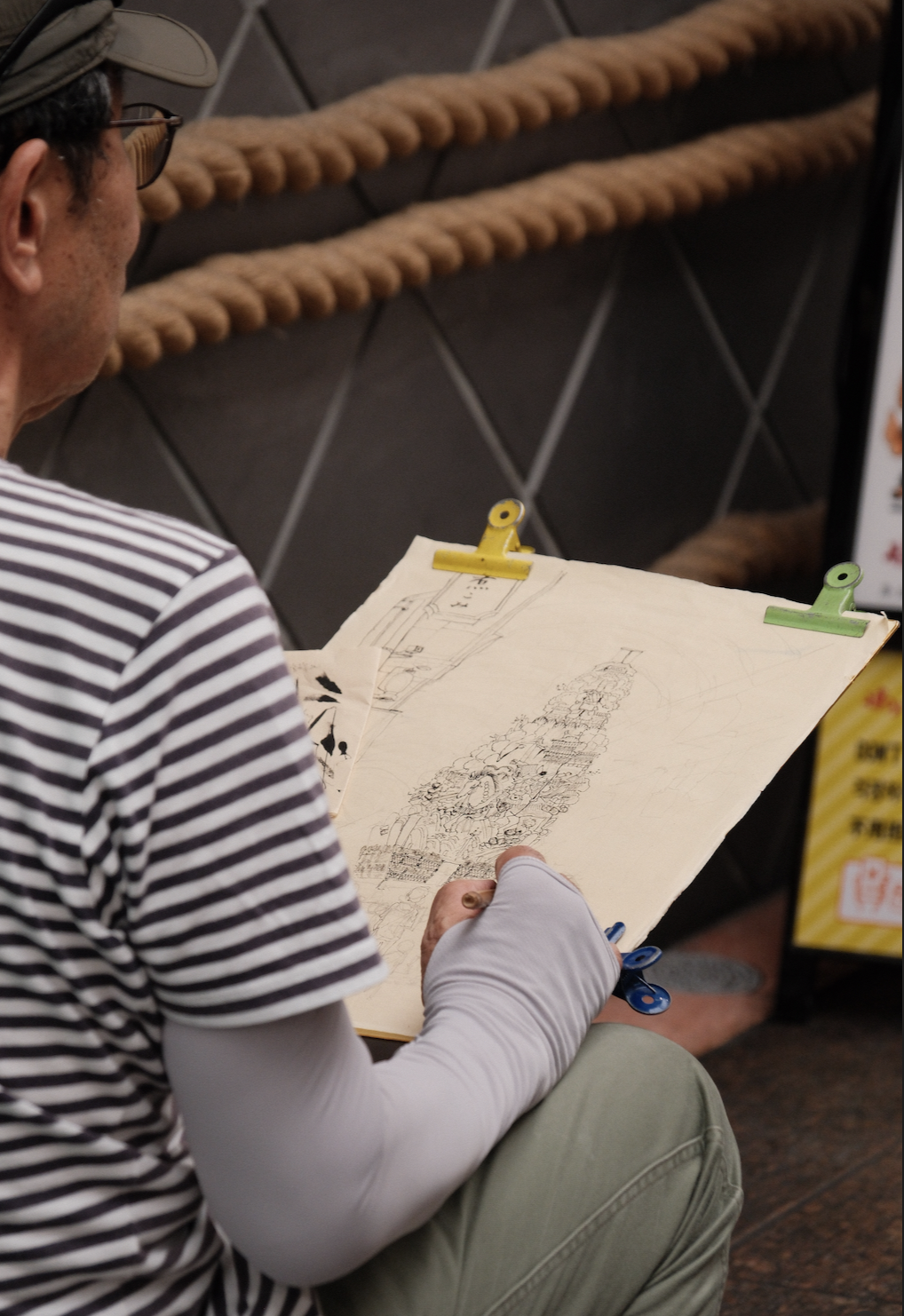
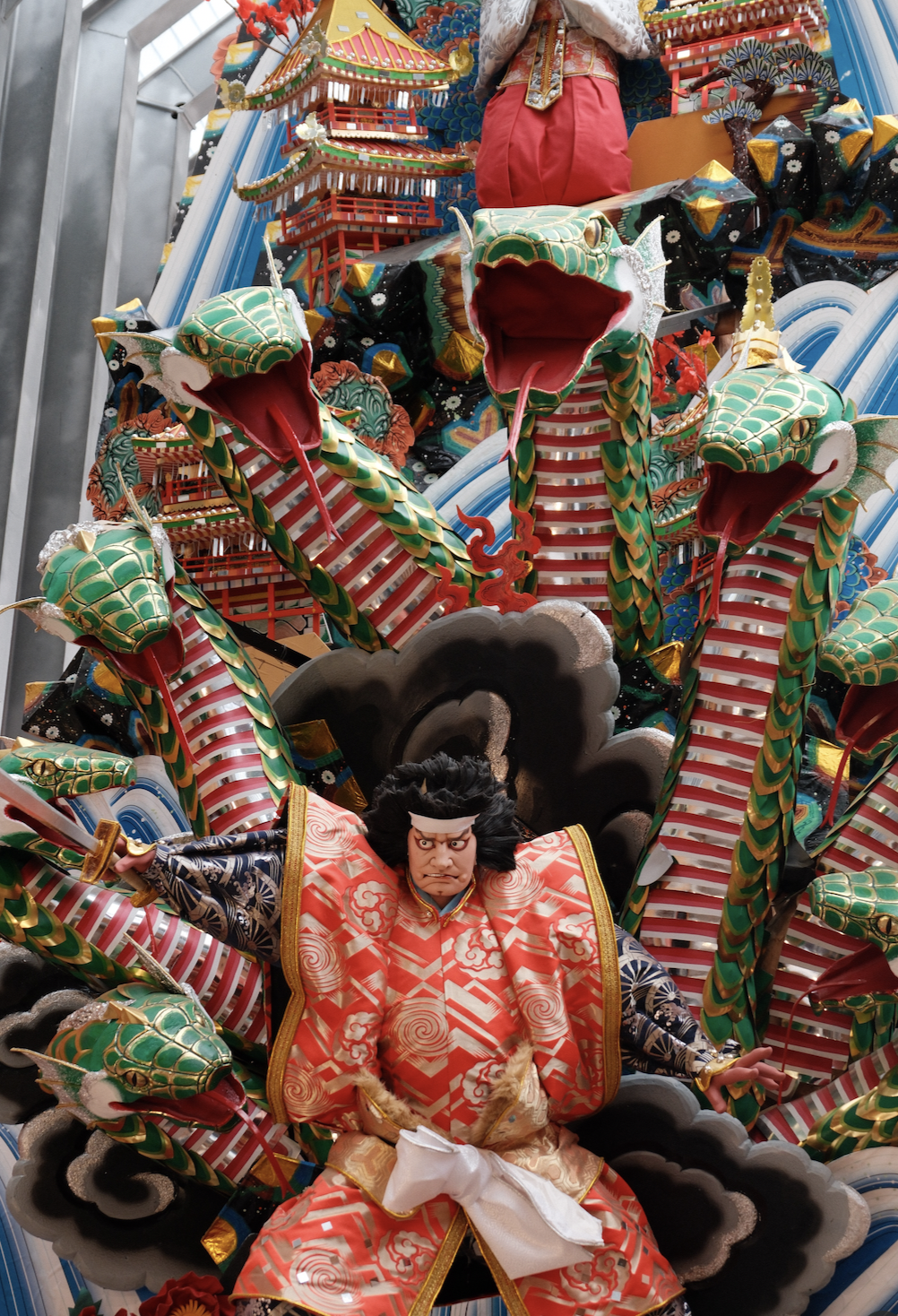
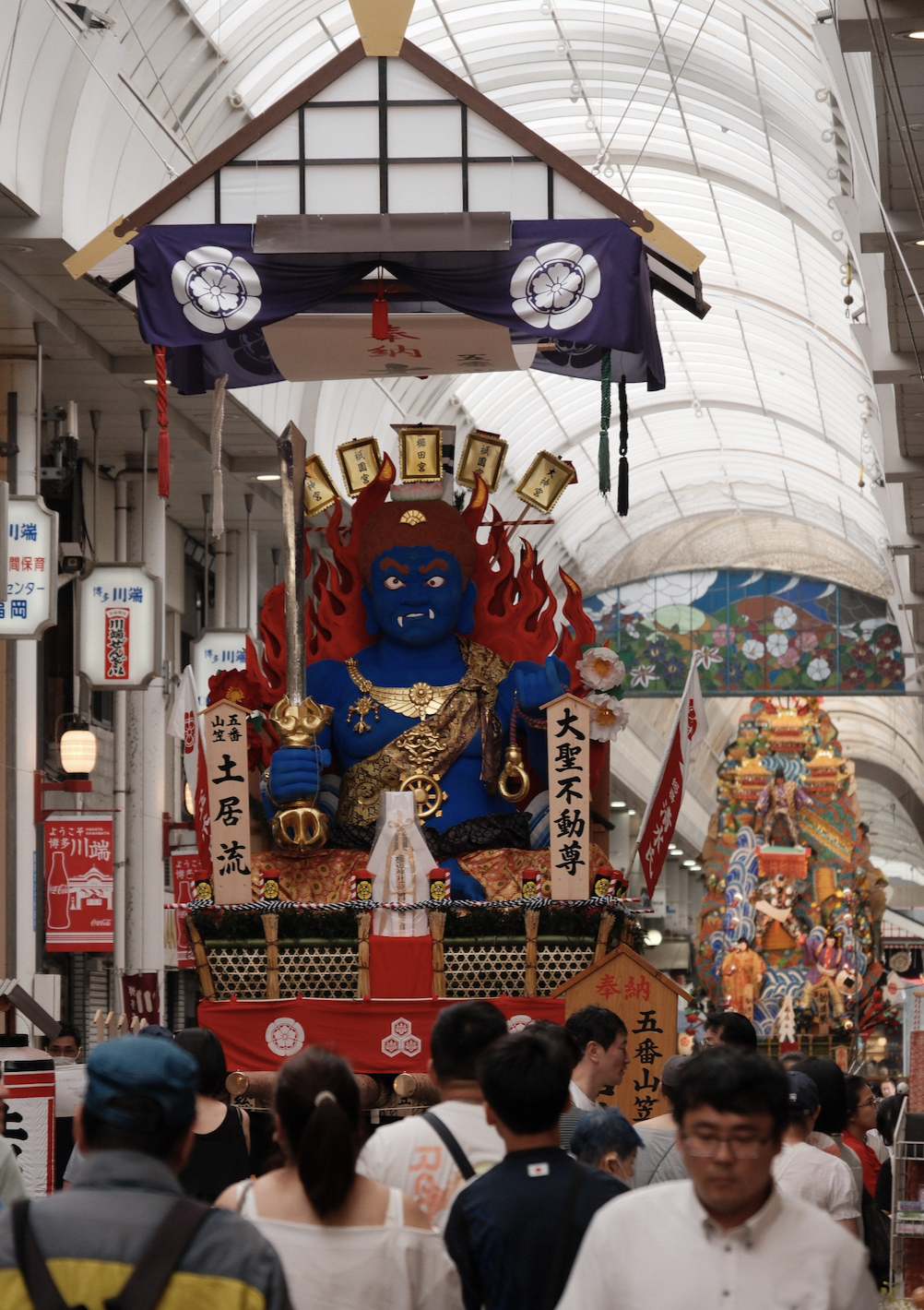
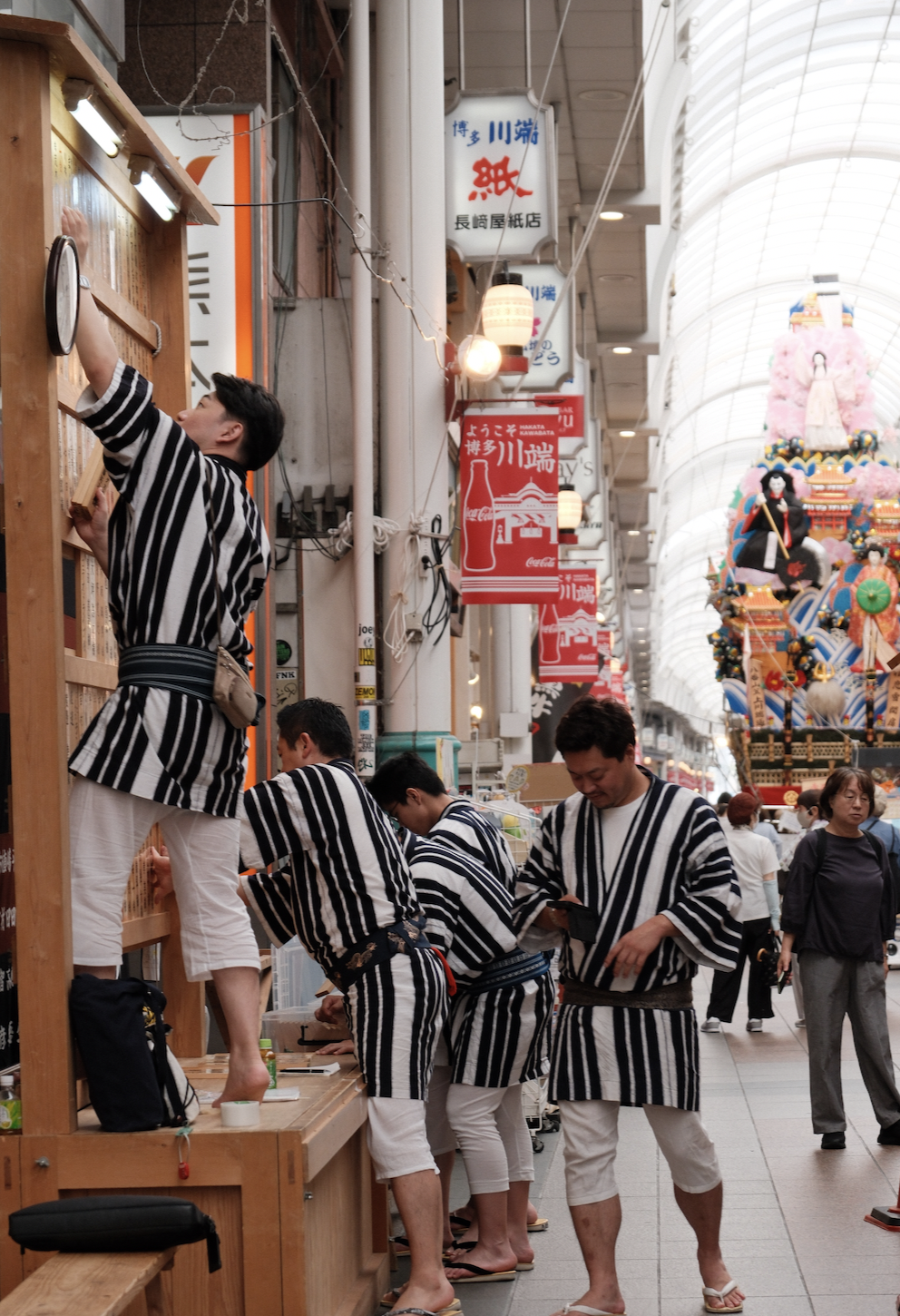
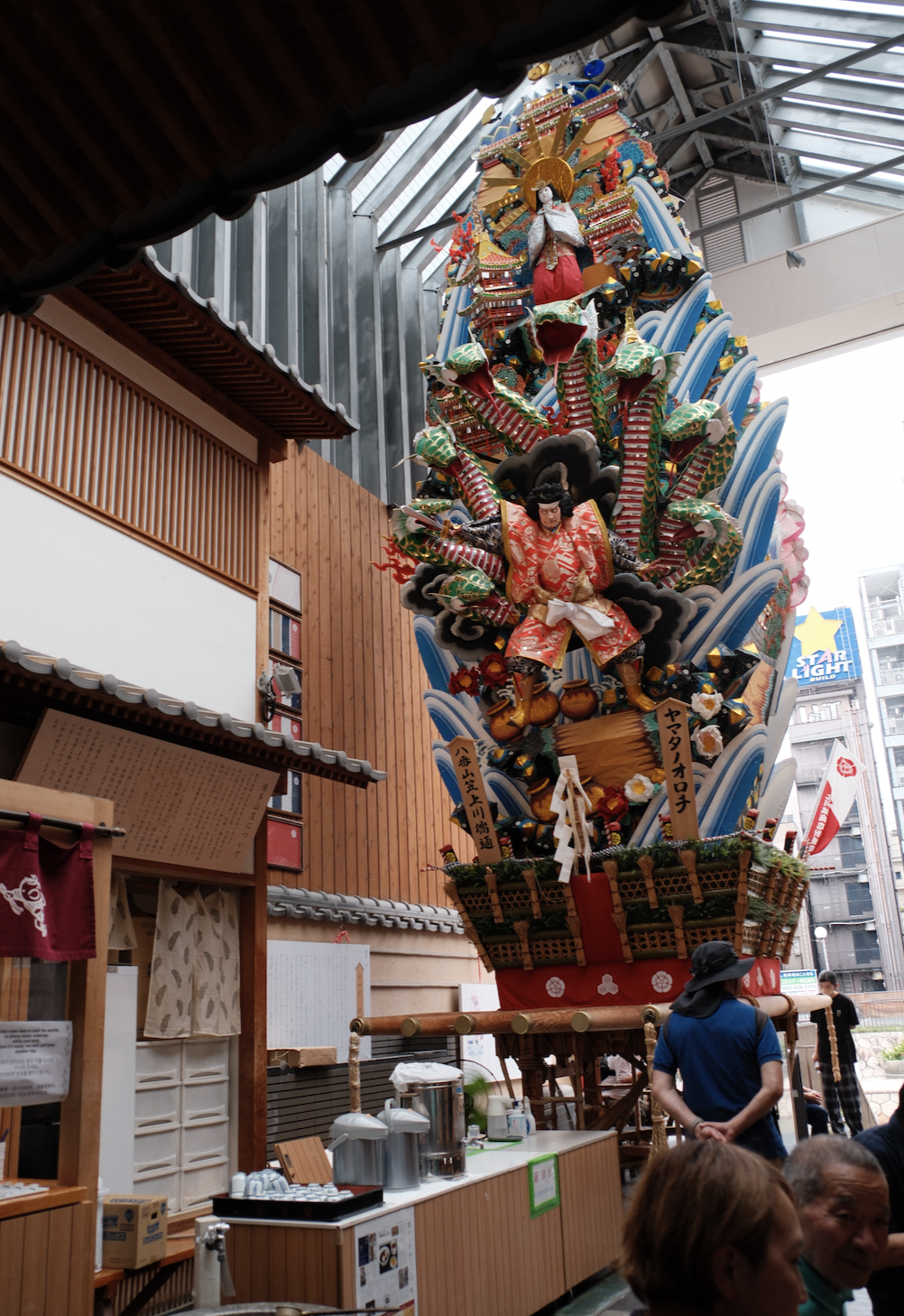
From July 1, large decorative floats called Kazariyama appear at locations throughout Fukuoka. These towering displays are decorated with elaborate figures inspired by Japanese history, folklore, anime and local culture. They remain stationary, making them the easiest part of the festival to experience if you are travelling with children, have limited mobility or simply do not want to join the early-morning crowds.
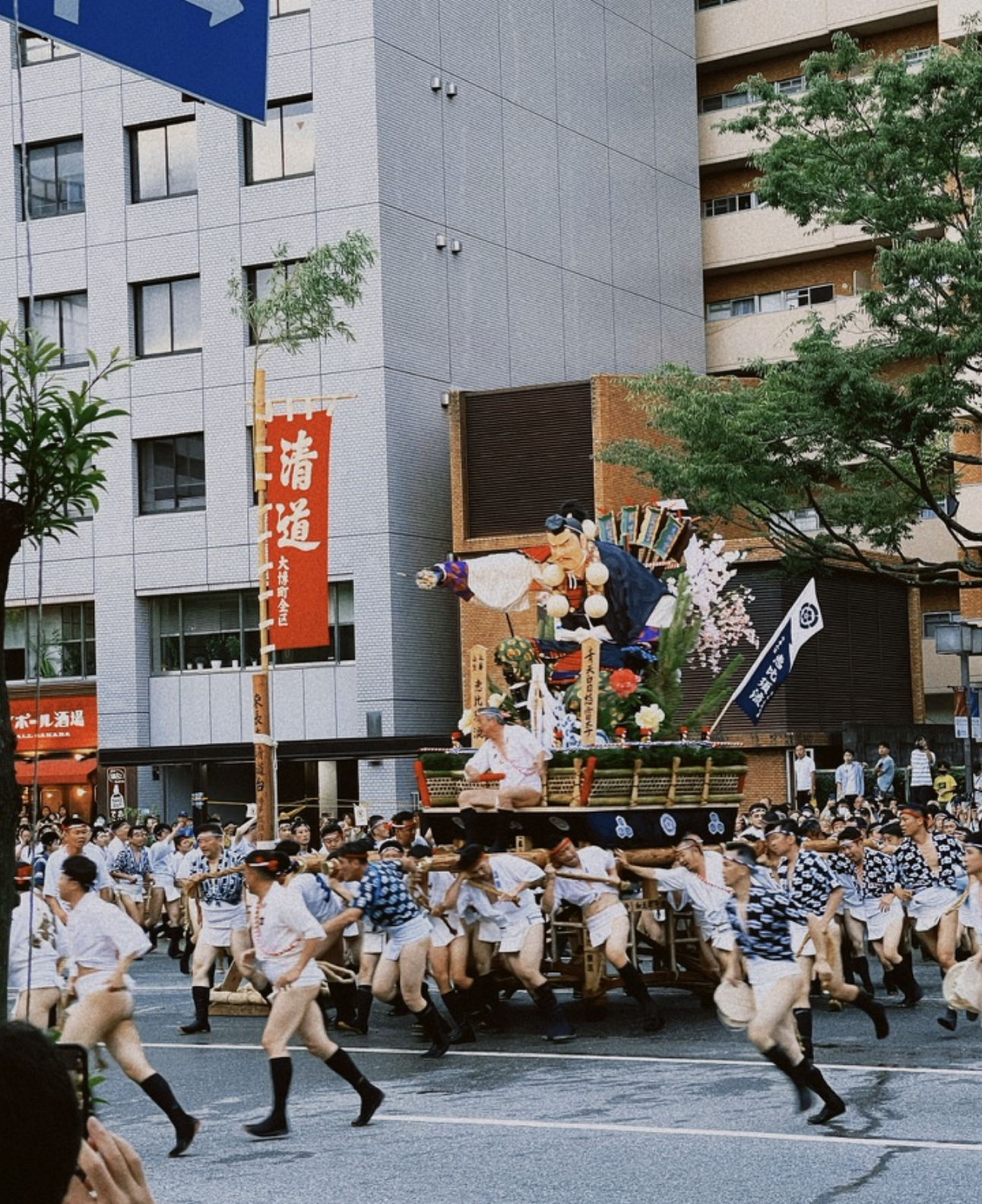
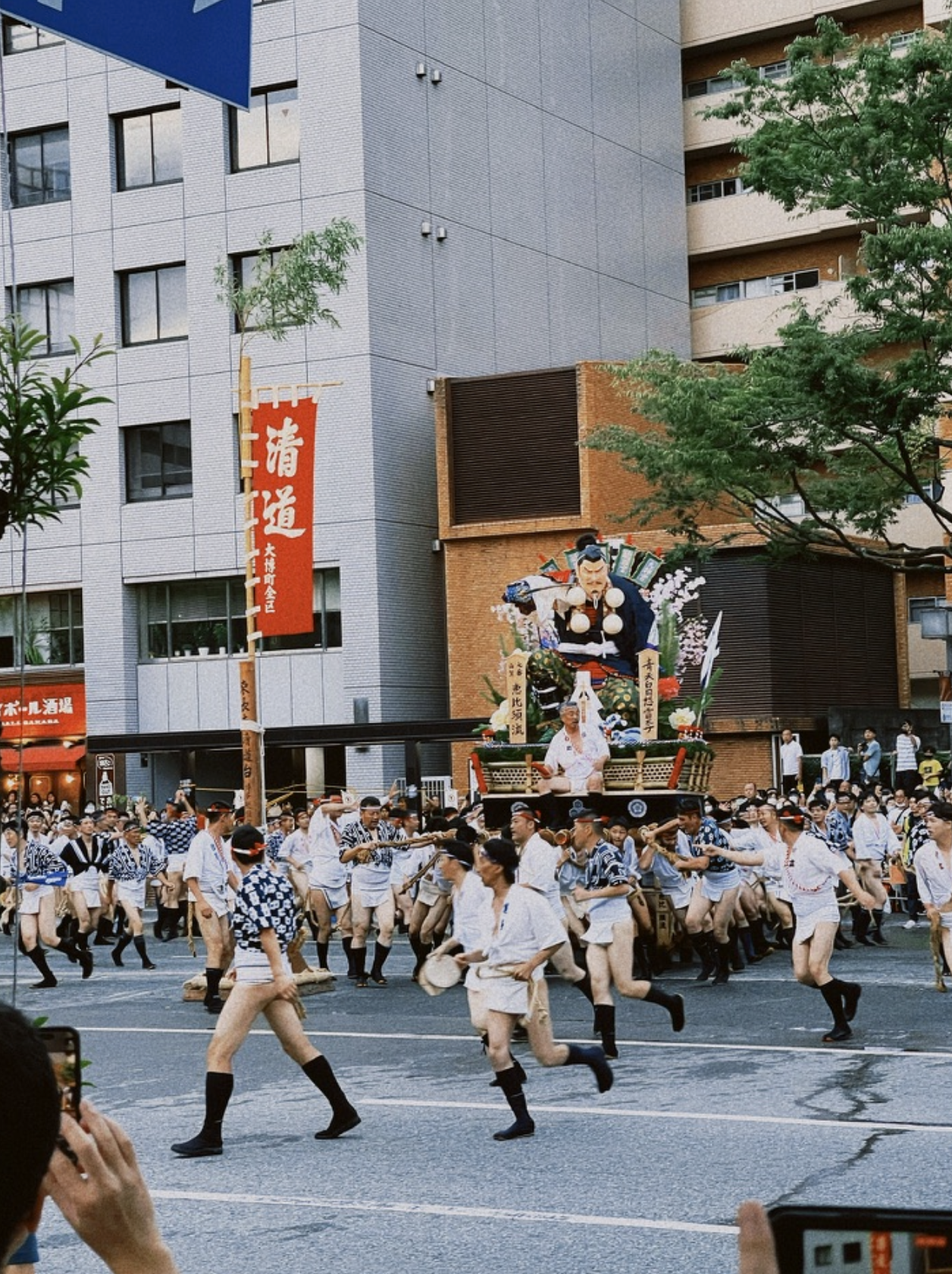
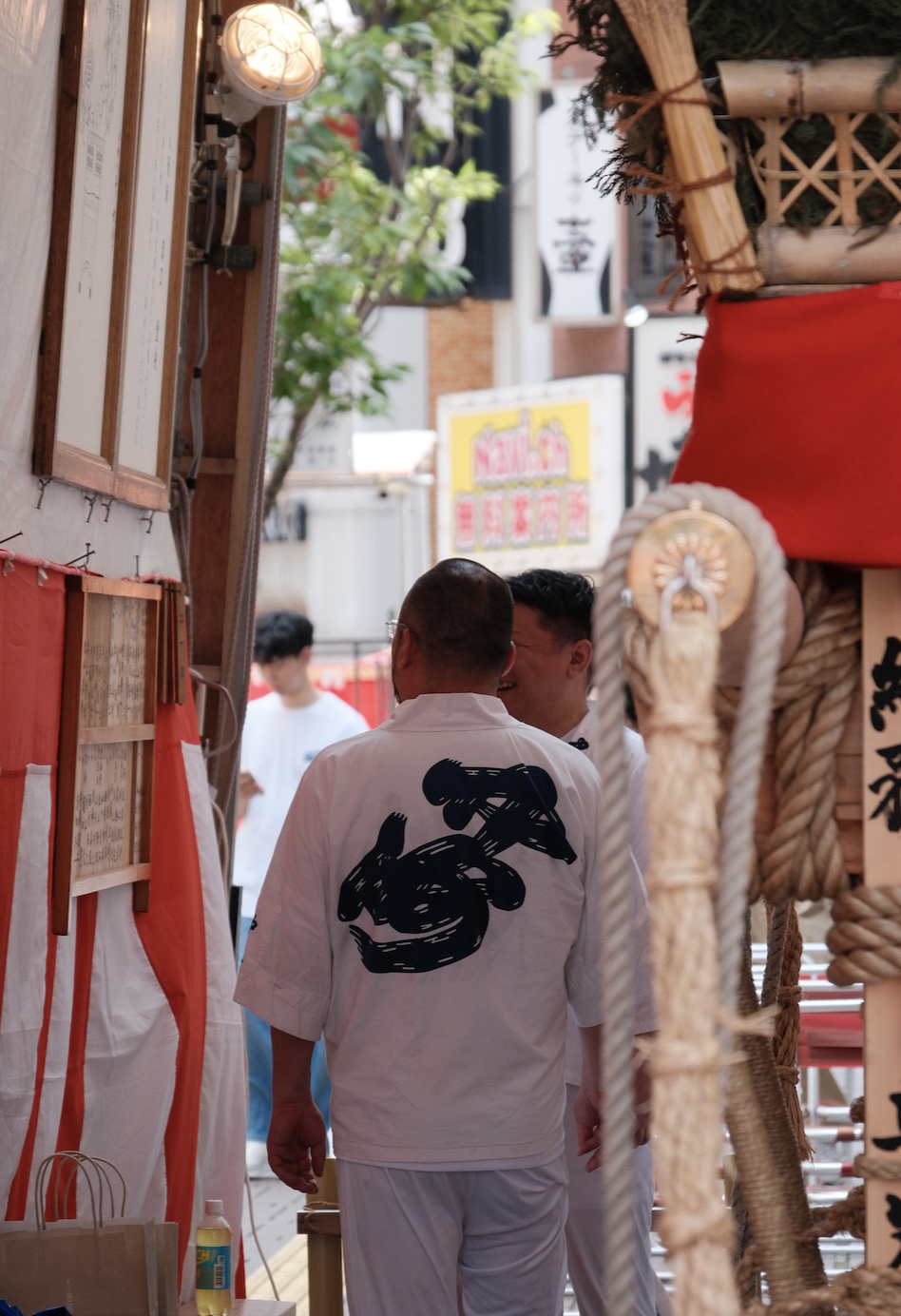
The smaller Kakiyama floats are the ones carried through the streets by teams representing Hakata’s traditional neighbourhood groups, known as nagare. These floats are still extremely heavy and are carried at speed by groups of men chanting together as spectators throw water onto the road and participants. The water cools the carriers, reduces friction beneath the float and adds to the distinctive atmosphere of the festival.
You do not necessarily need to attend the final race to experience Yamakasa. Events take place throughout the two-week period, including neighbourhood runs, purification rituals and practice races. The most accessible major events include the Oiyamanarashi rehearsal on July 12 and Shudanyamamise on July 13, when the Kakiyama travel outside their traditional Hakata territory toward central Fukuoka.
Watching the Oiyama Race on July 15
The festival concludes with Oiyama, which begins at Kushida Shrine at exactly 4:59 a.m. on July 15. The teams carry their Kakiyama through a course of roughly five kilometres around the old streets of Hakata, with each group competing for its official time. The first team pauses inside Kushida Shrine to perform the ceremonial song Iwai Medeta before continuing onto the course, which is why the race begins one minute before 5:00 a.m.
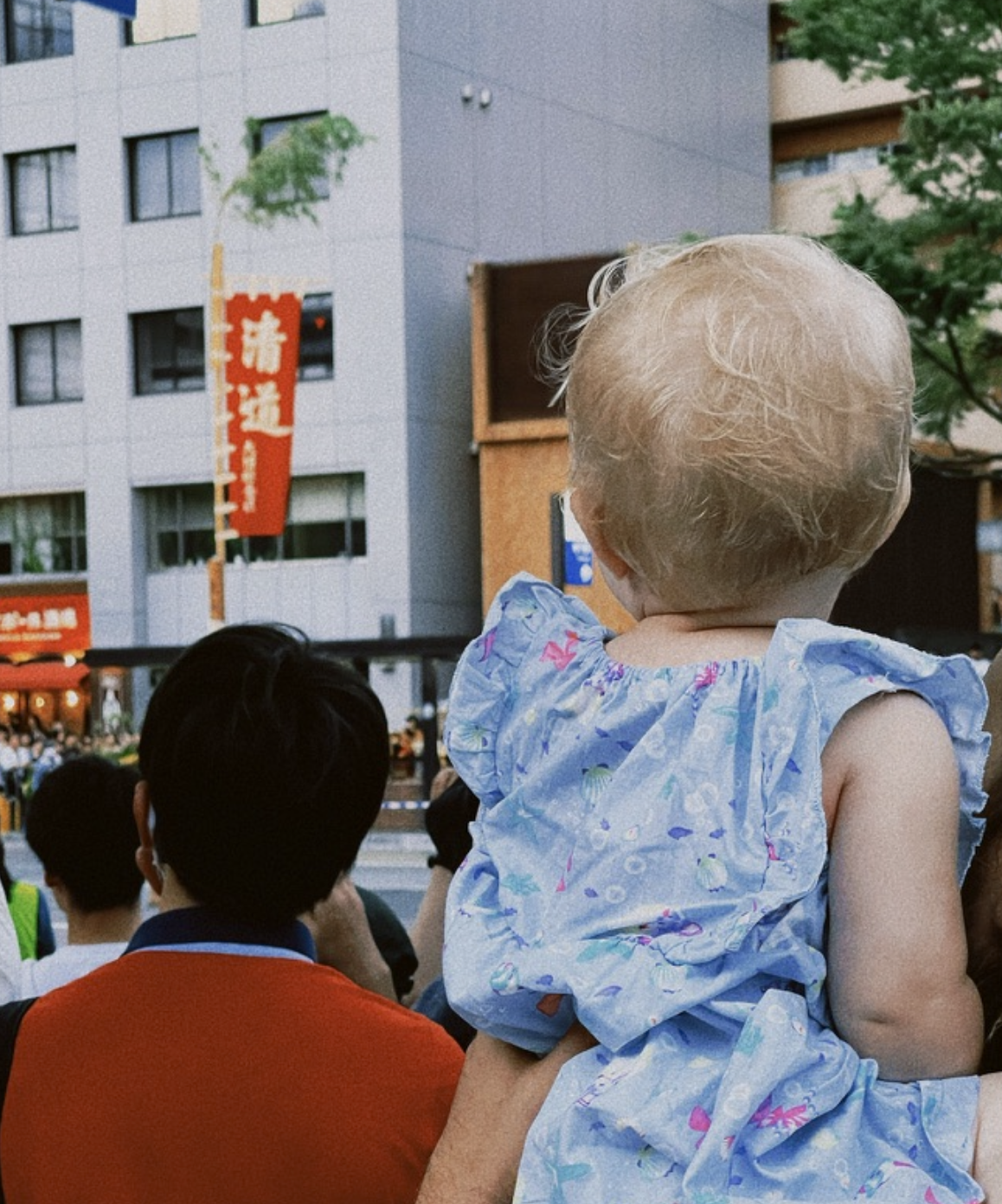
The area around Kushida Shrine offers the most ceremonial and dramatic view, but it is also one of the most difficult places to watch without a reserved seat or a great deal of patience (!!) The narrow surrounding streets fill early, visibility can be limited, and crowd movement becomes increasingly difficult as the starting time approaches. Watching from another point along the course can be more comfortable, particularly if your priority is seeing the floats move at speed rather than witnessing the shrine entrance itself.
My advice is to make a night out of it rather than relying on an early train into the city. Many spectators begin claiming roadside positions the night before, and the streets around Hakata are already lively in the hours leading up to the race. Special early-morning transport may operate for the event, but services vary each year and can still leave you arriving alongside a large wave of other spectators.
What to Expect in the Crowd
Oiyama attracts an enormous number of spectators into an area filled with narrow roads, intersections and temporary traffic restrictions. Arriving shortly before the race may leave you caught in crowd surges that move according to road closures and the passage of each float. It can be difficult to stop, change direction or cross the course once the event is underway.
Wear comfortable shoes and bring as little luggage as possible. July in Fukuoka is hot, humid and often rainy, so lightweight clothing, water and rain protection are useful even before sunrise. An umbrella can be difficult to use safely in the densest crowds, making a compact rain jacket a better option. Keep phones, cameras and bags close to your body, and avoid standing in places that block local entrances or emergency access.
Families can certainly enjoy the wider festival, but I would personally recommend seeing the Kazariyama displays or attending one of the daytime events with younger children rather than taking them into the densest Oiyama crowds. Kushida Shrine has a decorative Yamakasa on display during most of the year, so there are also opportunities to introduce children to the tradition outside the busiest festival dates.
More Than a Single Morning Race
It is easy to describe Yamakasa as a race, but that does not fully explain why it matters so much to Fukuoka. For the people who participate, preparations and responsibilities extend well beyond the public events. The festival is tied to neighbourhood identity, family history, religious practice and the preservation of Hakata’s traditional community structure.
For visitors, the most memorable part may be the speed of the Kakiyama or the spectacle of thousands of people gathering before sunrise. For locals, however, Yamakasa represents something much larger. It changes the atmosphere of the city for two weeks every summer, marking the season through the appearance of decorative floats, festival clothing, chants and rituals that have remained part of Hakata life for generations.
I may never become enough of a morning person to attend every year, but when I do make the effort, I understand why the festival holds such an important place in Fukuoka. The energy is unmatched, and there are few other events that communicate the identity of Hakata quite so clearly.
Hakata Gion Yamakasa Visitor Information
English Friendly: 4/5
Major tourism websites provide English schedules and explanations, and central transport signage is multilingual. Announcements at smaller ceremonies and information within neighbourhood areas may be primarily in Japanese. Event-specific multilingual guides are sometimes offered, but availability varies by year.
Access by Car:
Approximately 10 minutes from Hakata Station to Kushida Shrine under normal conditions. Driving is not recommended during the main festival events because of road closures, heavy pedestrian traffic and limited parking. Use public transportation and walk into the festival area instead.
Access by Train:
Kushida Shrine is approximately a 5-minute walk from Kushida Shrine-mae Station on the Fukuoka City Subway Nanakuma Line. It is also approximately a 7-minute walk from Gion Station on the Airport Line.
Access by Bus:
Approximately 10–15 minutes from Hakata Station, followed by a short walk, depending on traffic and the bus stop used. During major festival events, detours and temporary stop closures may affect journey times.
Address in English:
Kushida Shrine
1-41 Kamikawabatamachi, Hakata Ward, Fukuoka 812-0026, Japan
Google Maps:
View Kushida Shrine on Google Maps
Festival Dates and Hours:
Hakata Gion Yamakasa is held annually from July 1 to July 15. Kazariyama are generally displayed throughout this period. Event times vary, with Oiyama beginning at 4:59 a.m. on July 15. Confirm the official schedule before visiting, as detailed times and traffic arrangements are published each year.
Estimated Costs: Free. Kazariyama displays and public roadside viewing areas do not require admission. Reserved seating inside Kushida Shrine for Oiyama is limited and sold separately.
Best Time to Visit:
Visit between July 1 and 14 for a relaxed walk between the Kazariyama displays. For the full festival atmosphere, attend one of the moving-float events from July 10 onward. For Oiyama on July 15, arrive several hours early or stay overnight in central Hakata.
