Tsuetate Onsen: A Forgotten Hot Spring Town on the Kumamoto–Oita Border
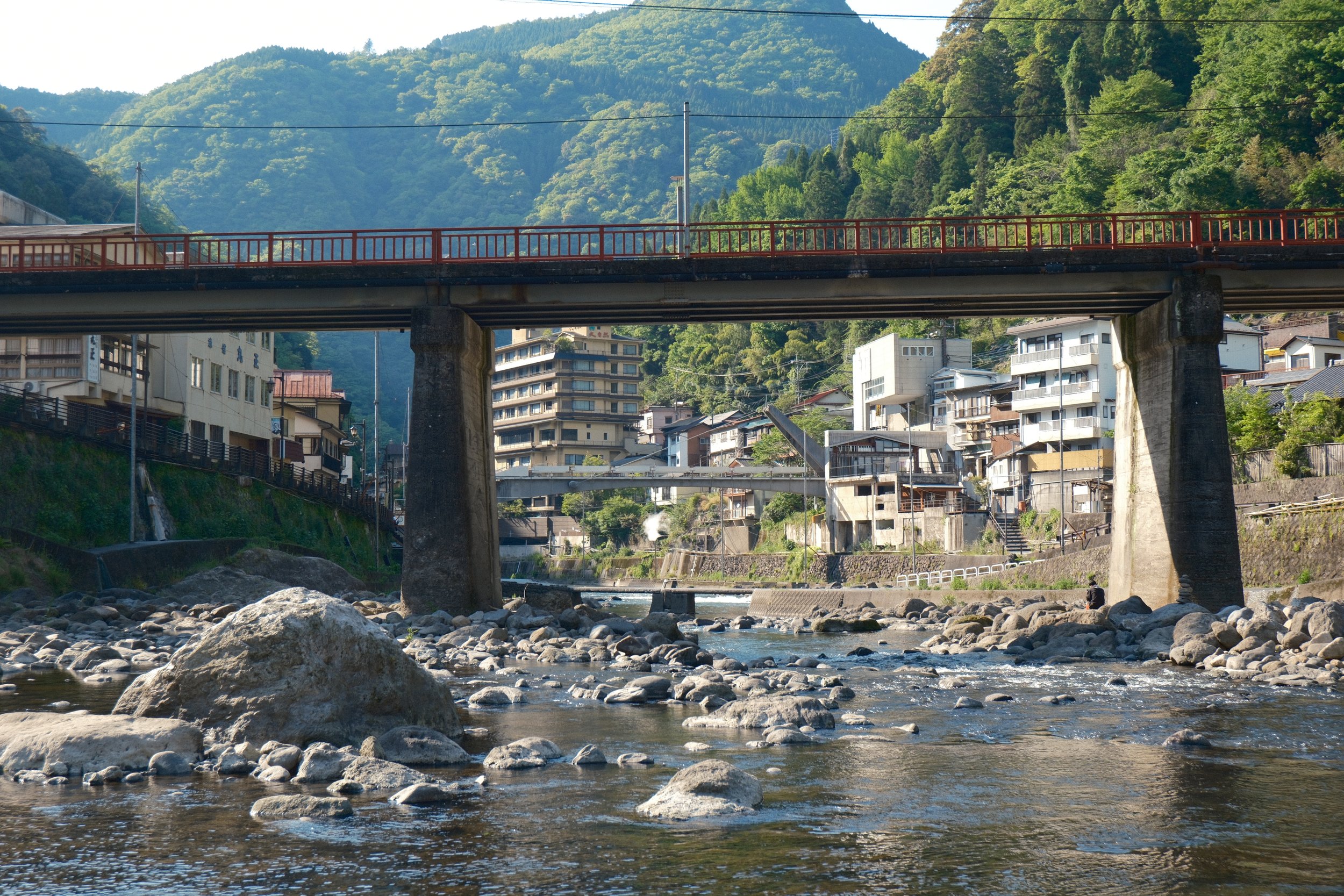
Tsuetate Onsen is a quiet riverside hot spring town where traces of its bustling past sit alongside the first signs of something new.
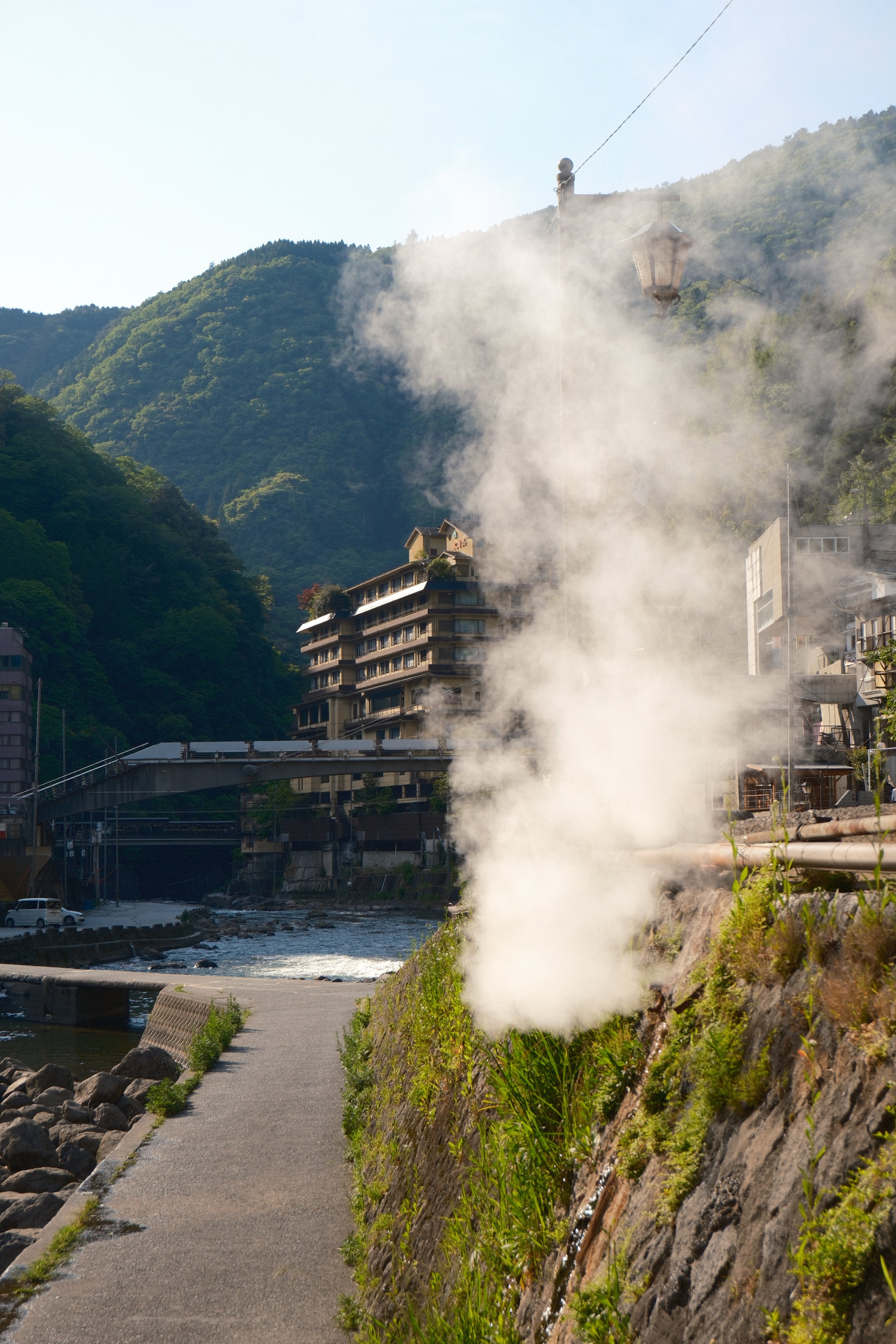
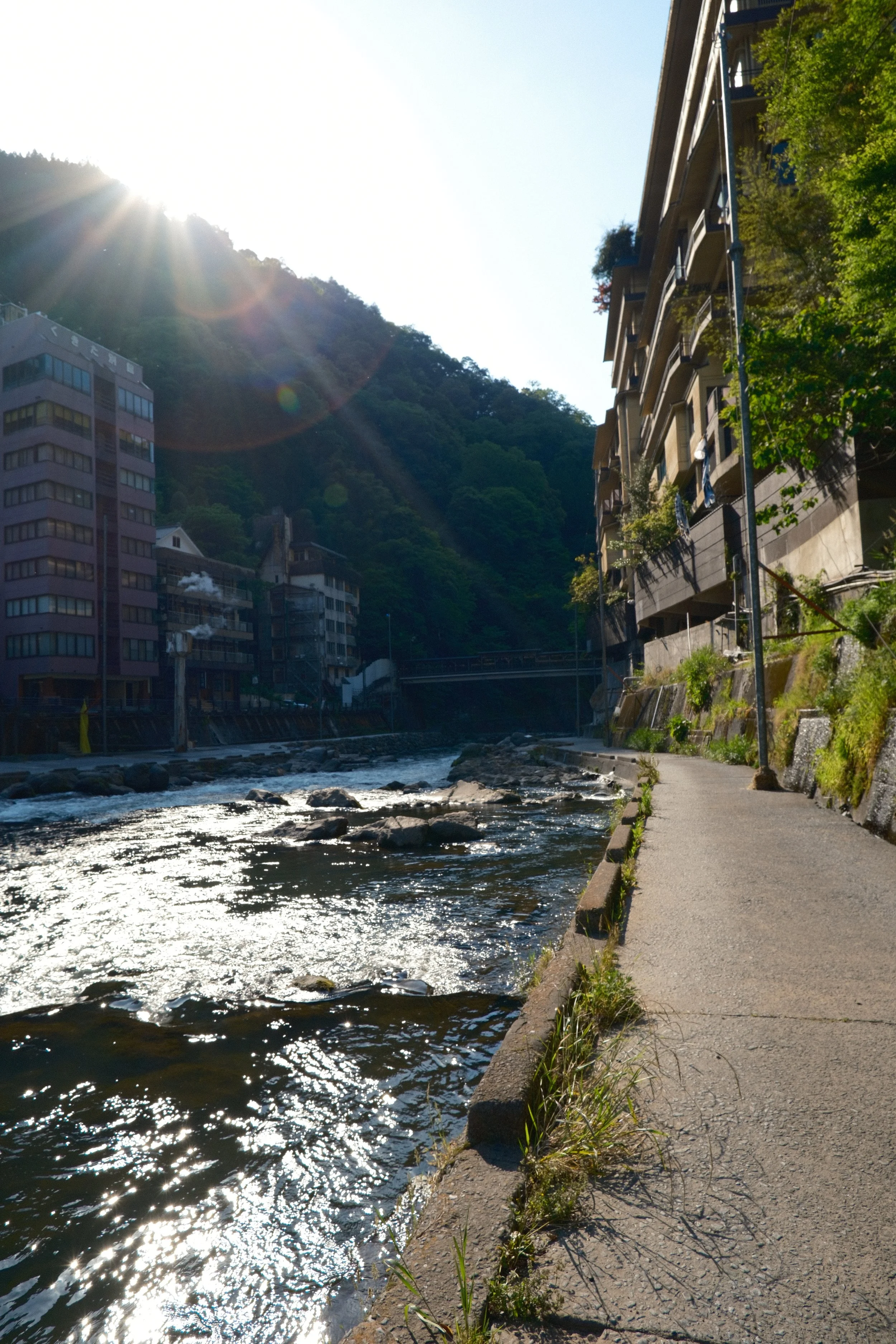
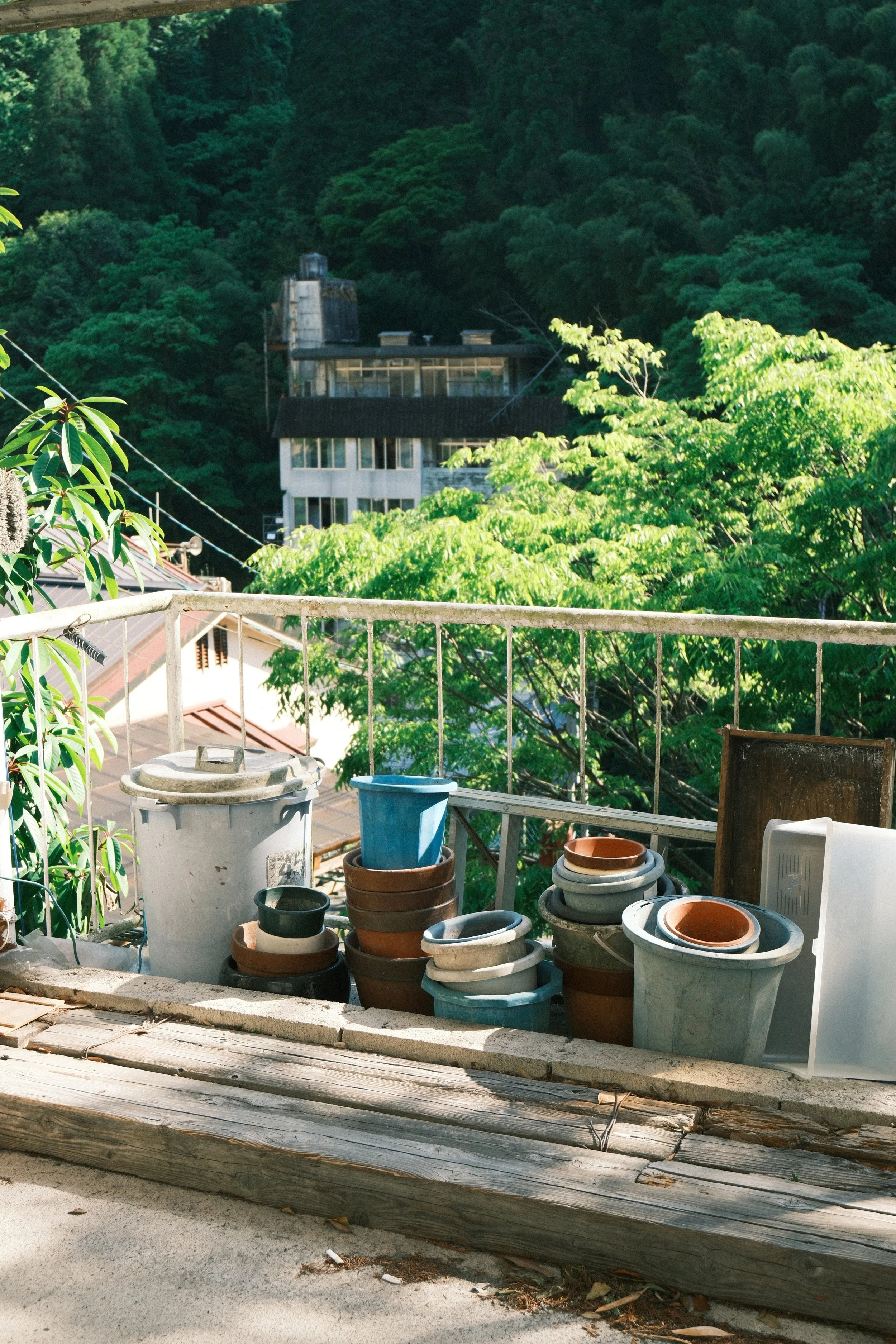
Tsuetate Onsen is an almost-forgotten onsen town tucked into a narrow valley near the border of Kumamoto and Oita prefectures. During the early and mid-Shōwa period, it was a lively resort town filled with bathhouses, entertainment and visitors arriving for extended hot spring stays. Today, the atmosphere is considerably quieter. Shōwa-era relics, weathered buildings and empty former businesses remain along the river, while a smaller number of local shops and ryokan continue to hold on through turbulent weather, an ageing population and the wider decline of rural Japan. The hot spring itself has a reported history stretching back around 1,800 years, and steam still rises between the buildings from water that can reach approximately 98°C.
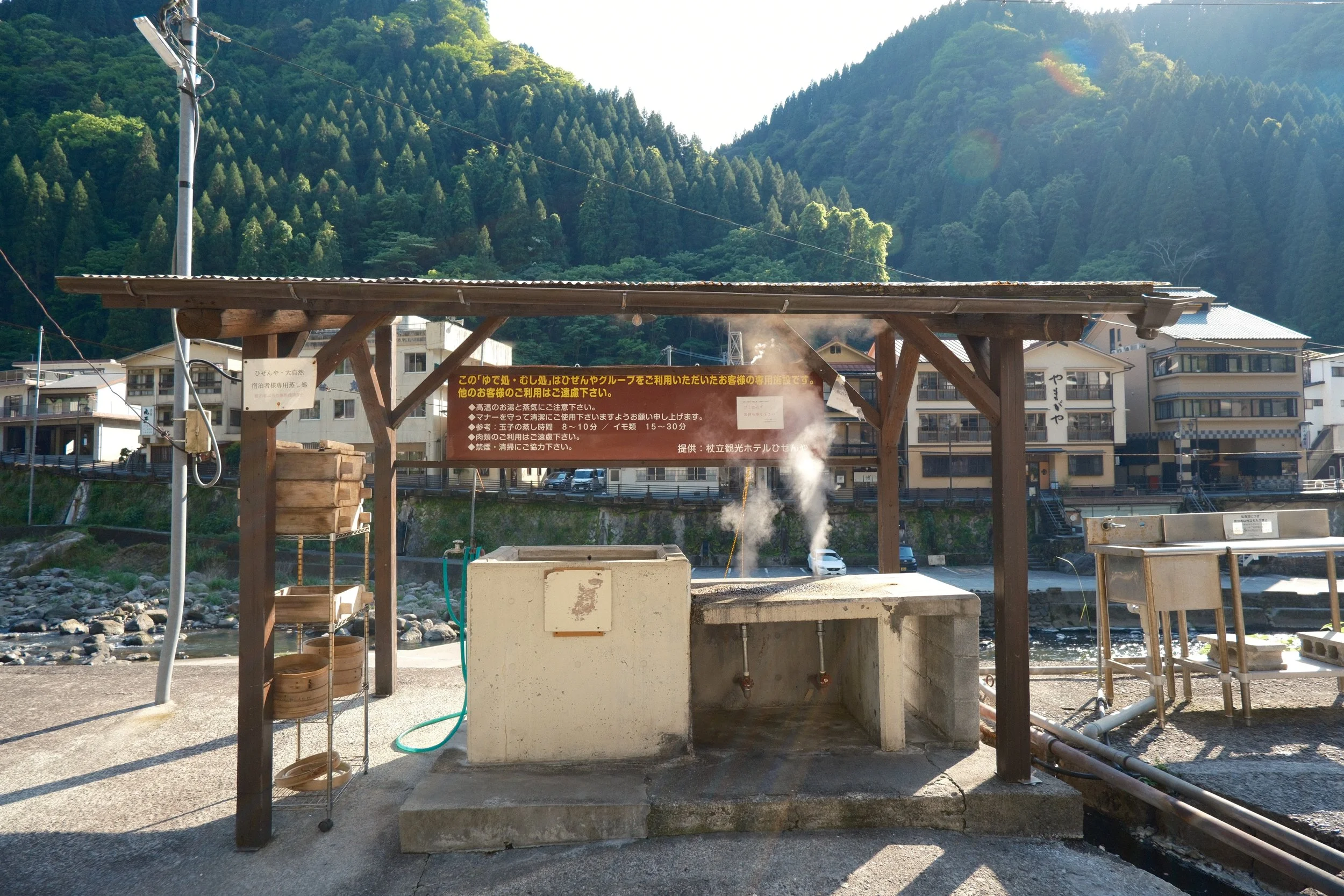
Buy vegetables at the nearby market and steam them using hot geothermal steam.
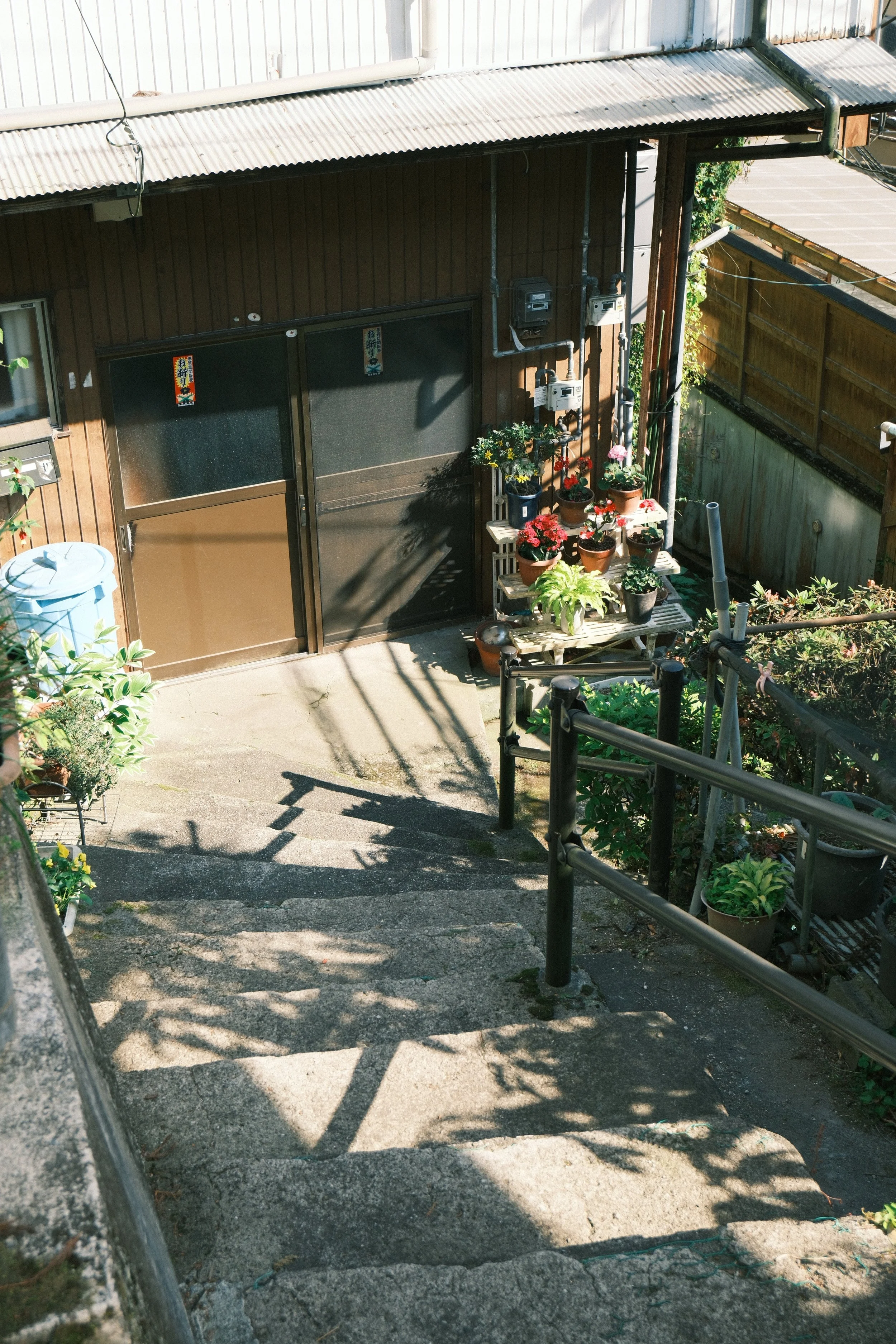
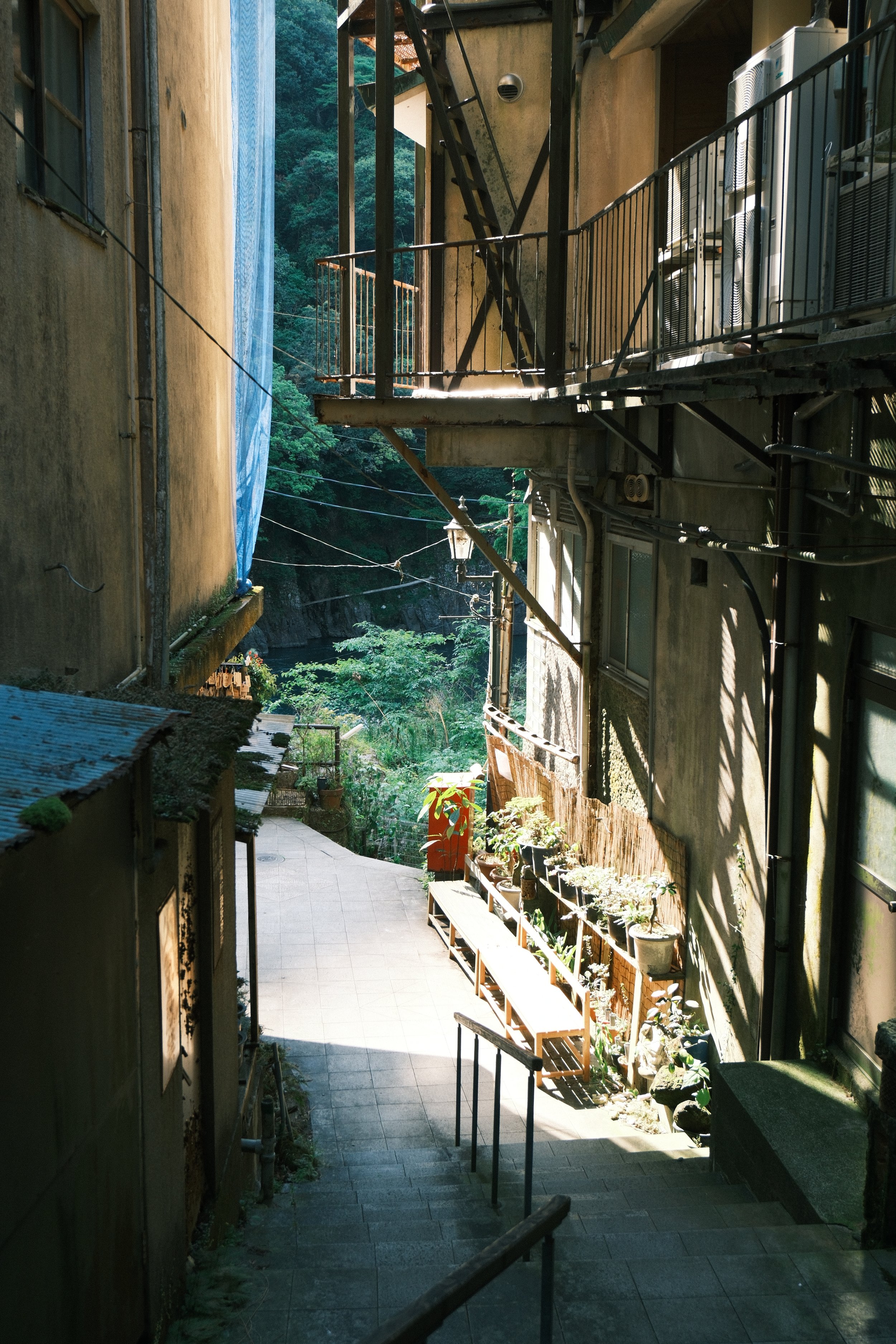
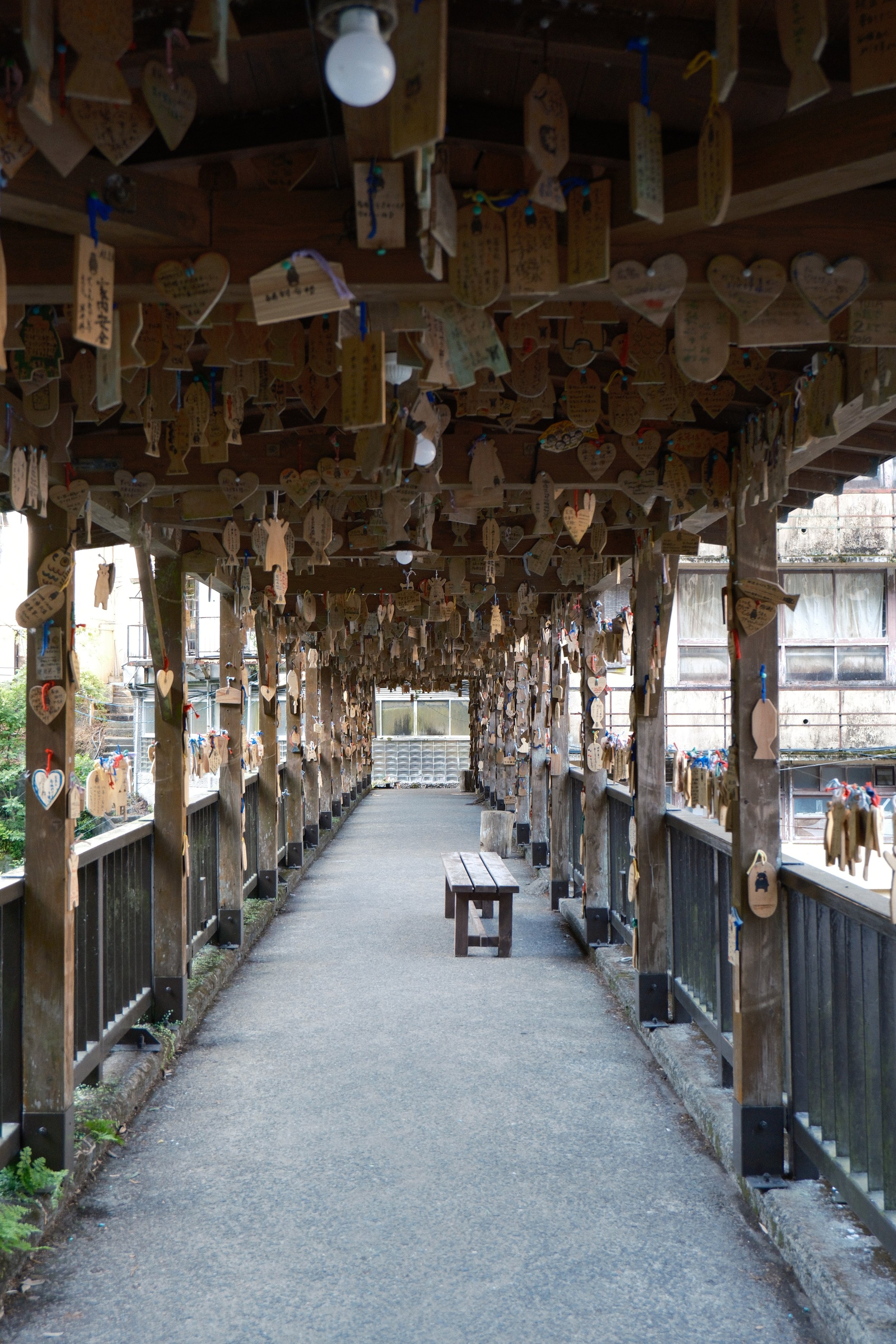
Still, Tsuetate does not feel completely abandoned. New seeds are starting to emerge from the dust, with renovated accommodation, small businesses and local events gradually breathing life back into the town. Walk through the narrow pathways beside the Tsuetate River and you can slip quietly between different periods of its history: old bathhouses and ageing ryokan on one side, newer cafés and restored spaces on the other. The town is compact enough to explore on foot, and the river, bridges, rising steam and overlapping buildings make it especially interesting for photography.
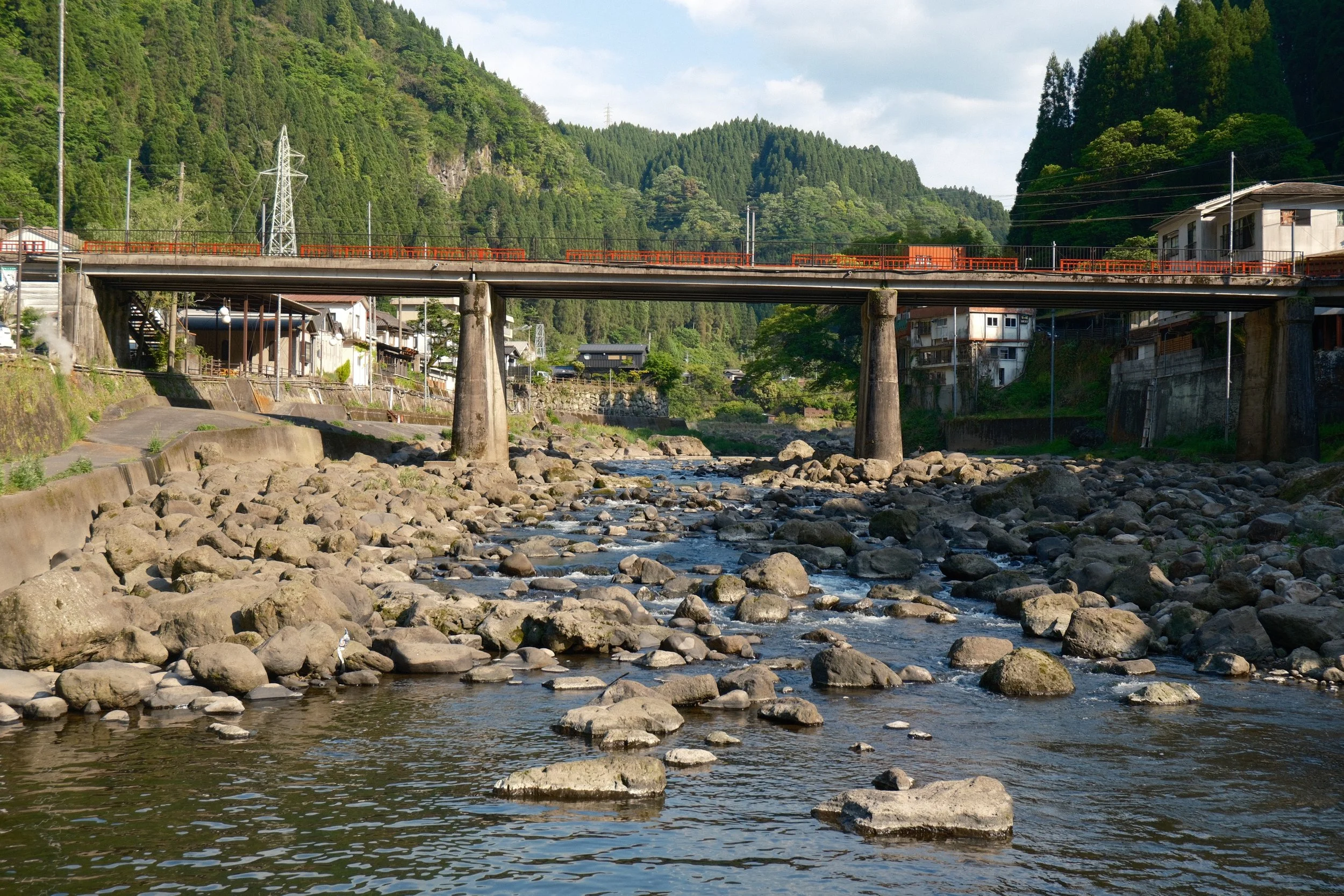
The town is picturesque on a good weather day, but this gorgeous valley also makes it susceptible to flash floods during the rainy season.
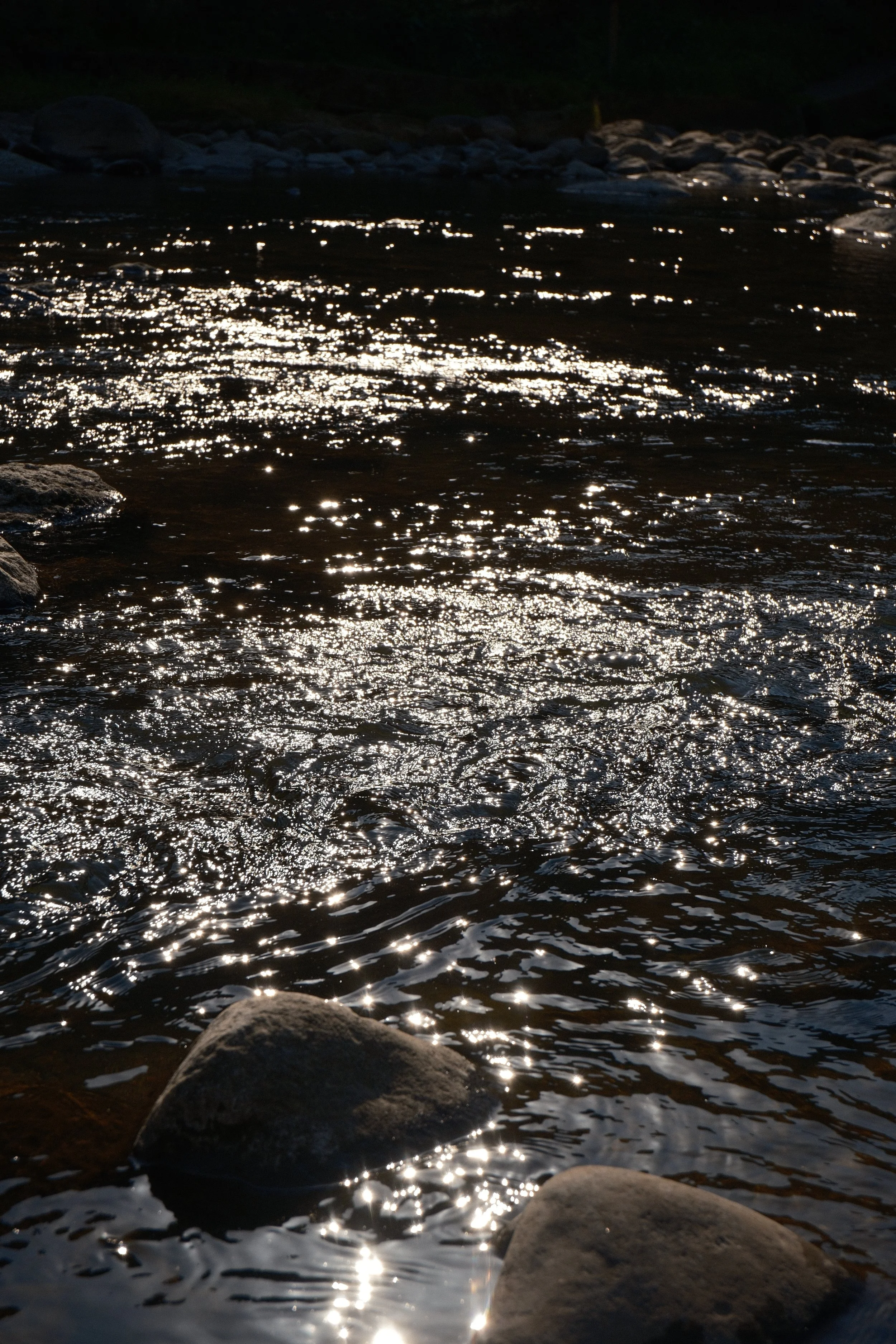
We had driven through Tsuetate several times over the years before finally deciding to stay, and what we found was a peaceful retreat that was surprisingly comfortable, walkable and child-friendly. You can stay somewhere small and traditional, or choose a larger hotel such as Tsuetate Onsen Hizenya, which sits directly across the prefectural boundary and offers the modern comforts of a hotel-ryokan while preserving pieces of the area’s history. Bring your camera, and plan your walks for the early morning or around twilight. The softer light suits the narrow valley particularly well, while the steam rising between the buildings adds another layer to a town that already feels slightly suspended in time.
Tsuetate Onsen Visitor Information
English Friendly: 2.5/5
The tourism association maintains a basic English information page, and larger accommodation facilities such as Hizenya have English websites. However, many smaller businesses, signs and local services remain primarily Japanese-speaking.
Access by Car: Approximately 35–40 minutes from Kurokawa Onsen. From central Fukuoka, allow approximately 1 hour 30 minutes under normal traffic conditions.
Access by Train: N/A. There is no railway station within Tsuetate Onsen. The nearest practical station is JR Hita Station, followed by a bus journey of approximately 40 minutes.
Access by Bus: Approximately 40 minutes from JR Hita Station by Hita Bus or Kyushu Sanko Bus. Direct highway buses from Hakata Bus Terminal, Tenjin and Fukuoka Airport take approximately 2 hours 30 minutes.
Address in English:
4173-5 Shimojo, Oguni-machi, Aso-gun, Kumamoto 869-2503, Japan
This is the address of the Tsuetate Onsen Tourism Association, beside the communal parking area.
Google Maps:
View Tsuetate Onsen on Google Maps
Opening Hours:
The town and riverside walking areas are always accessible. Individual bathhouses, restaurants, cafés and tourism facilities set their own hours and may close irregularly.
Estimated Costs:
Free to explore on foot. Bathing fees vary by facility. As one example, Hizenya’s Kissho-no-Yu currently lists day-use bathing at ¥1,600 for adults and ¥800 for children, while a private family bath costs ¥3,500 per hour.
Parking:
Communal parking is available near the tourism association. Hizenya also operates a free car park with space for approximately 150 vehicles for hotel guests and visitors using its facilities. Parking can become crowded during the spring carp-streamer festival and major holiday periods.
