Yame: Fukuoka’s Green Tea Region Is Ready for Its Moment
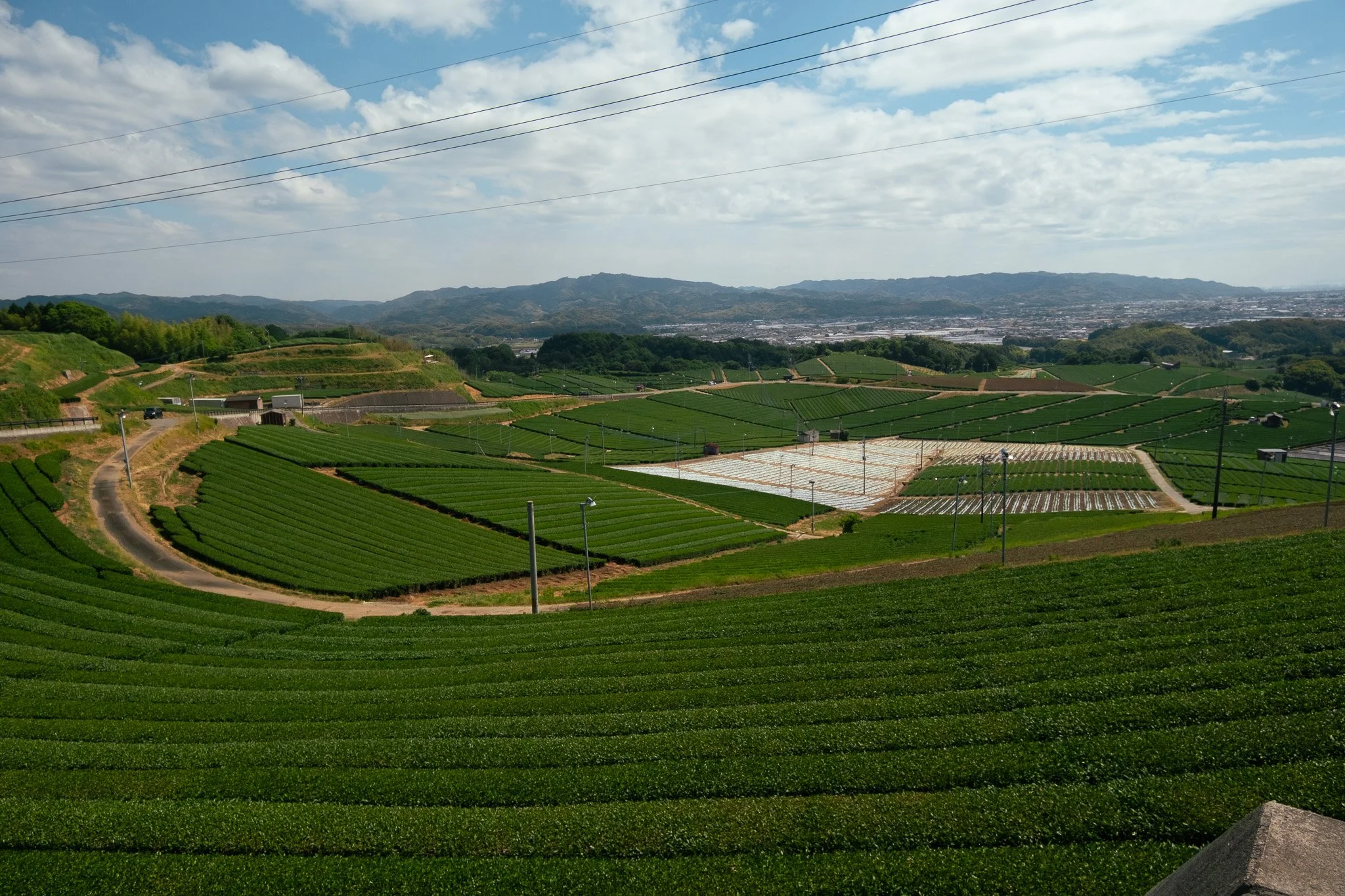
With sprawling tea fields, a preserved merchant district and a growing collection of renovated stays, Yame may have some of the greatest tourism potential of any rural destination in Fukuoka.
Green tea tourism is beginning to catch on in Yame, just as matcha continues to boom around the world. One important correction, however: gyokuro is not a grade of matcha. Matcha and gyokuro are separate types of shade-grown Japanese green tea. Gyokuro is often described as one of Japan’s highest-grade leaf teas, valued for its rich sweetness and deep umami flavour. Yame and the surrounding production region account for approximately 45% of Japan’s gyokuro, despite producing only a small share of the country’s green tea overall. Traditional Authentic Yame Gyokuro is also protected under Japan’s Geographical Indication system.
Most people in Kyushu have heard of Yame-cha, but I doubt many have actually made the trip to see Yame’s sprawling tea fields for themselves. I had only visited two or three times over the course of nearly 20 years, but the last time I went, I was genuinely surprised by what I found. Of all the rural destinations currently bubbling under the radar in Fukuoka, I think Yame has some of the biggest potential for tourism—not only because of its tea, but because it already has the scenery, history, accommodation and small businesses needed to turn a day trip into a proper overnight stay.
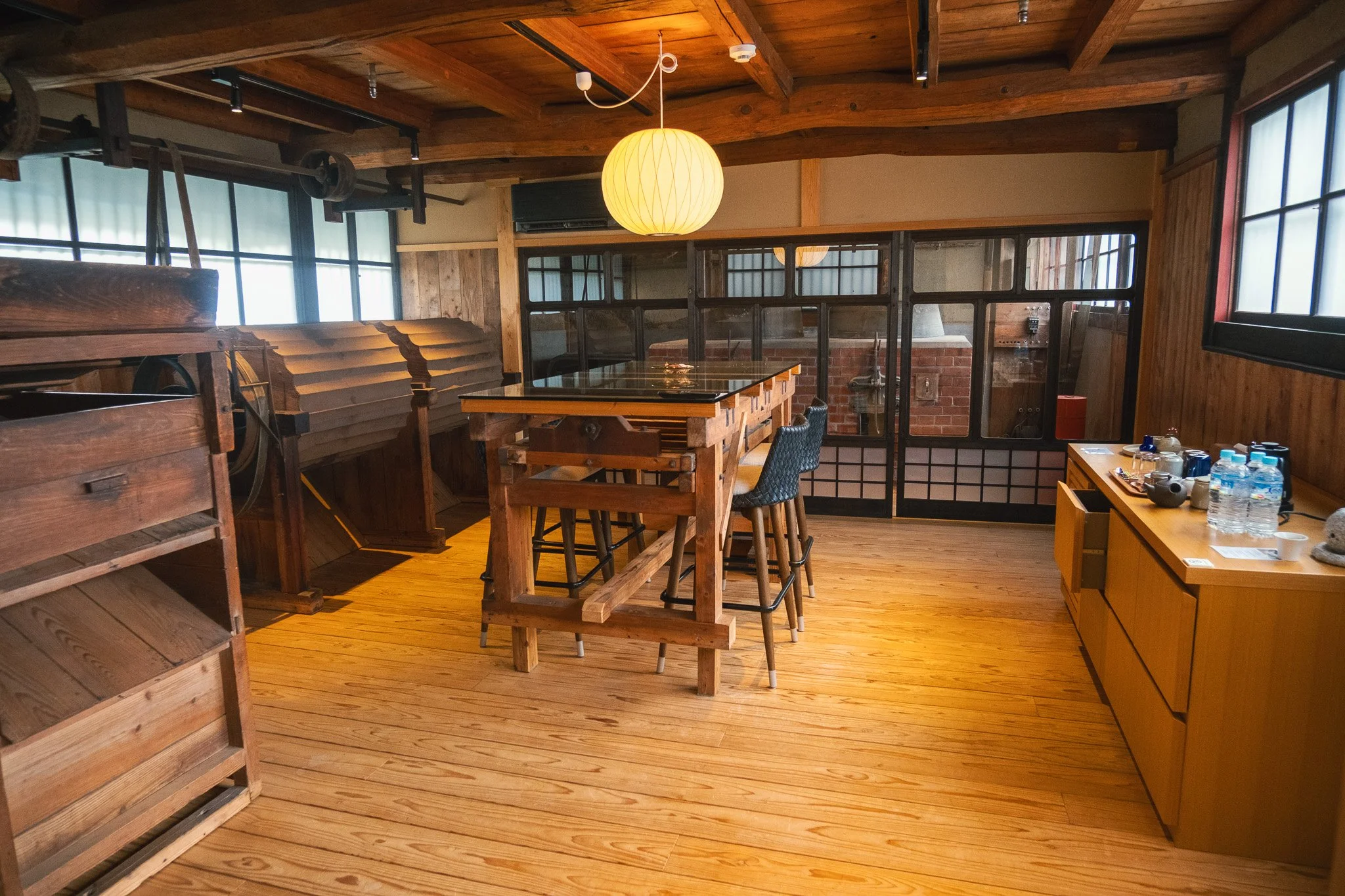
Yame Fukushima, the city’s old merchant district, retains much of its historic character even as new tenants breathe life into its traditional Japanese buildings. The area is recognised as an Important Preservation District for Groups of Traditional Buildings, with rows of white-walled merchant houses that developed around trades including tea, handmade paper and traditional crafts. Rather than feeling frozen in time, the neighbourhood now contains an interesting mix of old and new. You might pass shops selling carefully selected clothing and unusual household goods, followed by Korean food, fishing equipment or another completely unexpected find.
Several historic properties have also been renovated into visitor-friendly accommodation. RITA Yame Fukushima occupies a restored century-old home, while Kazeno Yame-Fukushima—formerly NIPPONIA Hotel Yame Fukushima Merchant Town—has seven rooms spread through historic buildings in the old town. Staying overnight here can feel a little like waking up on the set of a period film, only with the comforts of a modern hotel waiting behind the old wooden doors.
Of course, tea can be enjoyed throughout the city. Ochamura is a popular place to shop for Yame tea, matcha powder and tea-flavoured sweets, although smaller tea shops and cafés will give you even more opportunities to compare different varieties and brewing styles. Matcha may be the drink attracting international attention, but a visit to Yame is also a chance to try gyokuro properly: brewed slowly with cooler water to draw out its concentrated sweetness and savoury flavour.
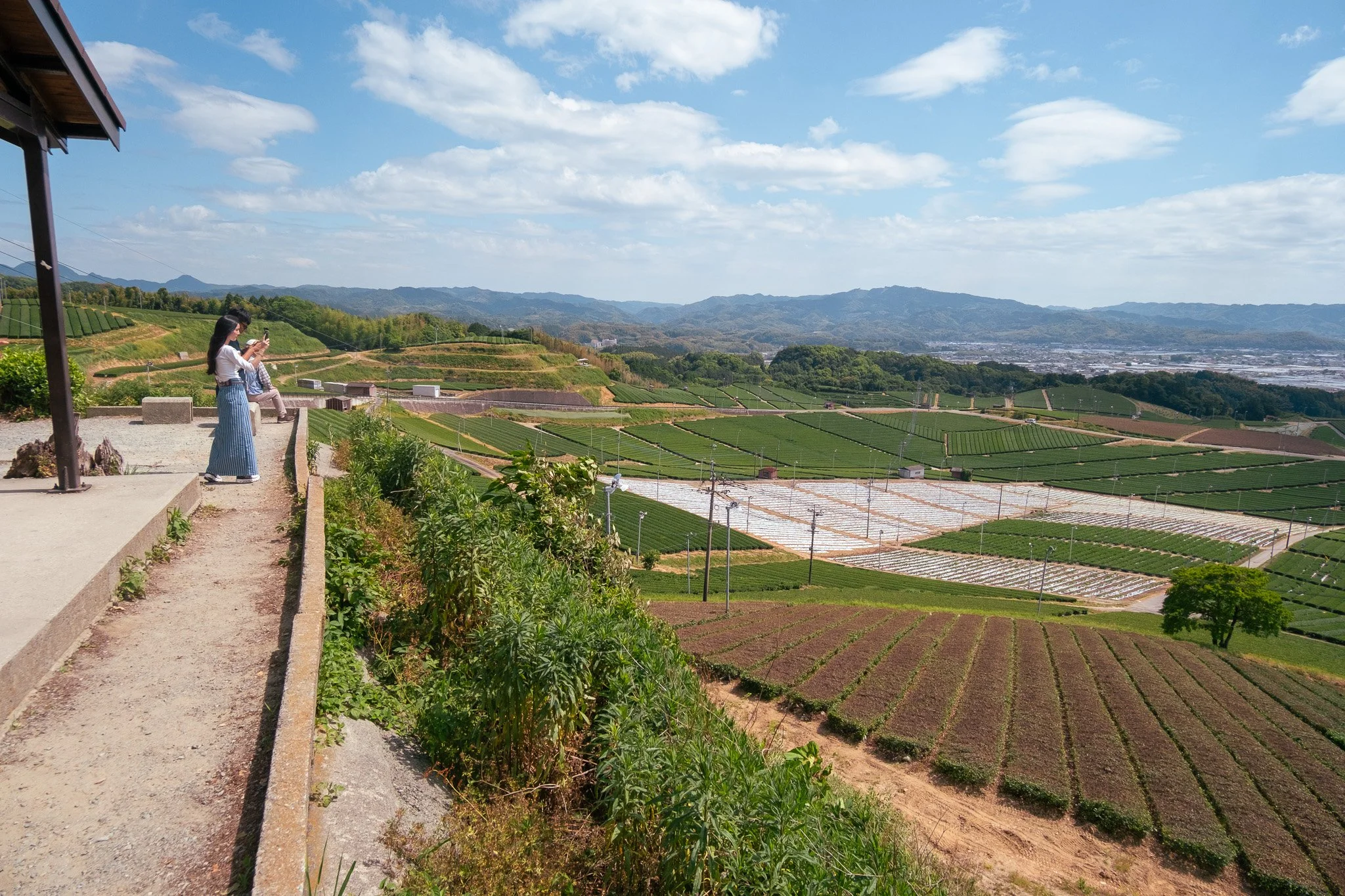
One place not to miss is the Yame Central Tea Plantation, where rows of tea bushes roll across the hills above the city. The observation area is free to visit, parking is available, and on a clear day you can see across central Yame toward the Ariake Sea. There is also a small café near the parking area where you can stop for a tea drink before or after taking in the view. The plantation is open throughout the day, although visiting during daylight hours is naturally the most practical option.
Yame is also known for traditional crafts including handmade washi paper, lanterns and Buddhist altar fittings. Some hotels and tourism operators can arrange hands-on workshops that are approachable even when there is a language barrier. It is worth enquiring when you book your accommodation, as availability and English support may depend on the day and the individual craftsperson. Yame is still not the easiest destination to navigate without Japanese, but that is beginning to change—and the city now feels ready for more visitors to finally take notice.
Yame Visitor Information
English Friendly: 3/5
Yame’s official tourism website is available in English, and several hotels and organised experiences provide English information. Smaller shops, cafés and craft studios may have limited English support, but many experiences remain manageable with basic translation tools or advance arrangements.
Access by Car:
Approximately 50–60 minutes from Fukuoka City to central Yame Fukushima, depending on traffic. Yame Fukushima is approximately 10 minutes from the Yame Interchange. The Yame Central Tea Plantation is roughly 15–20 minutes farther by car.
Access by Train:
N/A. Yame City does not have an active passenger railway station. The most practical nearby stations are JR Hainuzuka Station and Nishitetsu Kurume Station, followed by a bus connection.
Access by Bus:
Approximately 25–35 minutes from JR Hainuzuka Station to the Yame Fukushima area, depending on the bus and final stop. From Nishitetsu Kurume Station, allow approximately 45–60 minutes, followed by a short walk. Services may be infrequent, so checking the return timetable before travelling is strongly recommended.
Address in English:
Yame Traditional Crafts Center
2-123-2 Motomachi, Yame City, Fukuoka 834-0031, Japan
This is a useful central address for exploring the Yame Fukushima historic district.
Google Maps:
View Yame Fukushima on Google Maps
View Yame Central Tea Plantation on Google Maps
Opening Hours:
The streets of Yame Fukushima and the Yame Central Tea Plantation can be visited at any time. Shops, cafés, museums and craft facilities keep their own hours and may close on weekdays. The Yame Traditional Crafts Center is generally open from 9:00 a.m. to 5:00 p.m. and closed on Mondays, except when Monday is a national holiday.
Estimated Costs:
Walking through Yame Fukushima and visiting the tea plantation lookout are free. Tea, desserts and shopping costs vary by location. Workshops and guided experiences are generally paid and should be booked or confirmed in advance.
Parking:
Free or low-cost parking is available at several tourism facilities around Yame Fukushima. The Yame Central Tea Plantation also has free visitor parking near the observation area.
