A Solo Weekend in Mojiko: Finding a Slower Side of Fukuoka
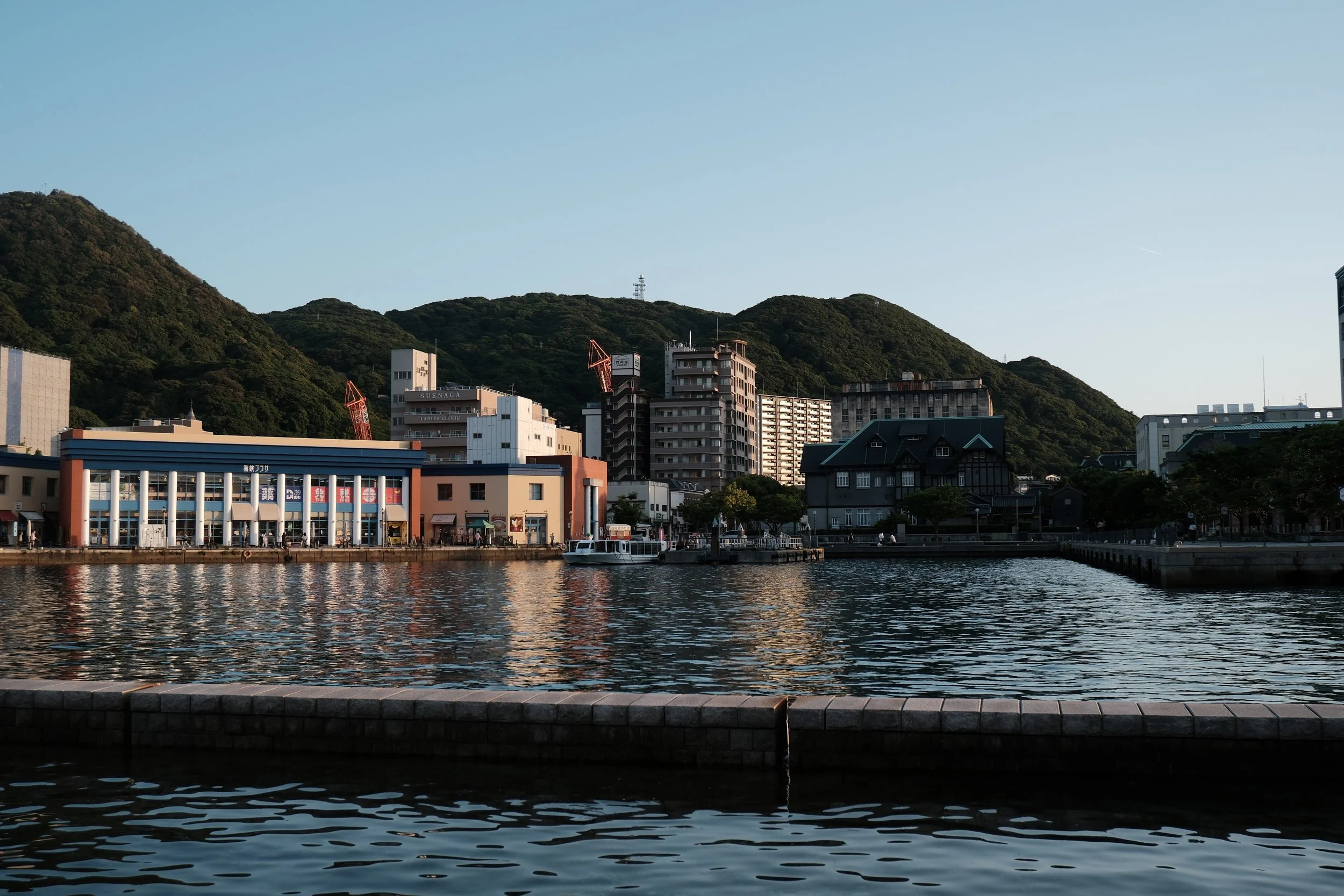
Historic architecture, Shōwa-era shopping streets, independent cafés and quiet harbour views make Mojiko an easy day trip or overnight escape from Fukuoka City.
Mojiko is the antithesis of Japan’s big-city overstimulation.
If you arrive expecting a flashy, assault-of-the-senses attraction, it may feel a little underwhelming at first. The streets are quiet, the main sights are spread around a compact waterfront, and much of the town’s appeal lies in details that do not immediately announce themselves.
However, if you give yourself time to wander, observe and explore, you may begin to understand its quiet appeal. Mojiko is a place for noticing faded signs, old wooden houses, small businesses tucked into narrow streets and fishing boats moving through the harbour. It rewards curiosity more than speed.
Located in Kitakyushu, roughly an hour from Fukuoka City by train, Mojiko works well as either a relaxed day trip or an easy overnight getaway. I chose to spend a solo weekend here, moving between the better-known waterfront and the quieter neighbourhoods beyond it.
A Port Town Built Across Several Eras
Mojiko developed into an important international trading port after opening in 1889. Its location beside the Kanmon Strait placed it at a major point of movement between Kyushu, Honshu and destinations overseas.
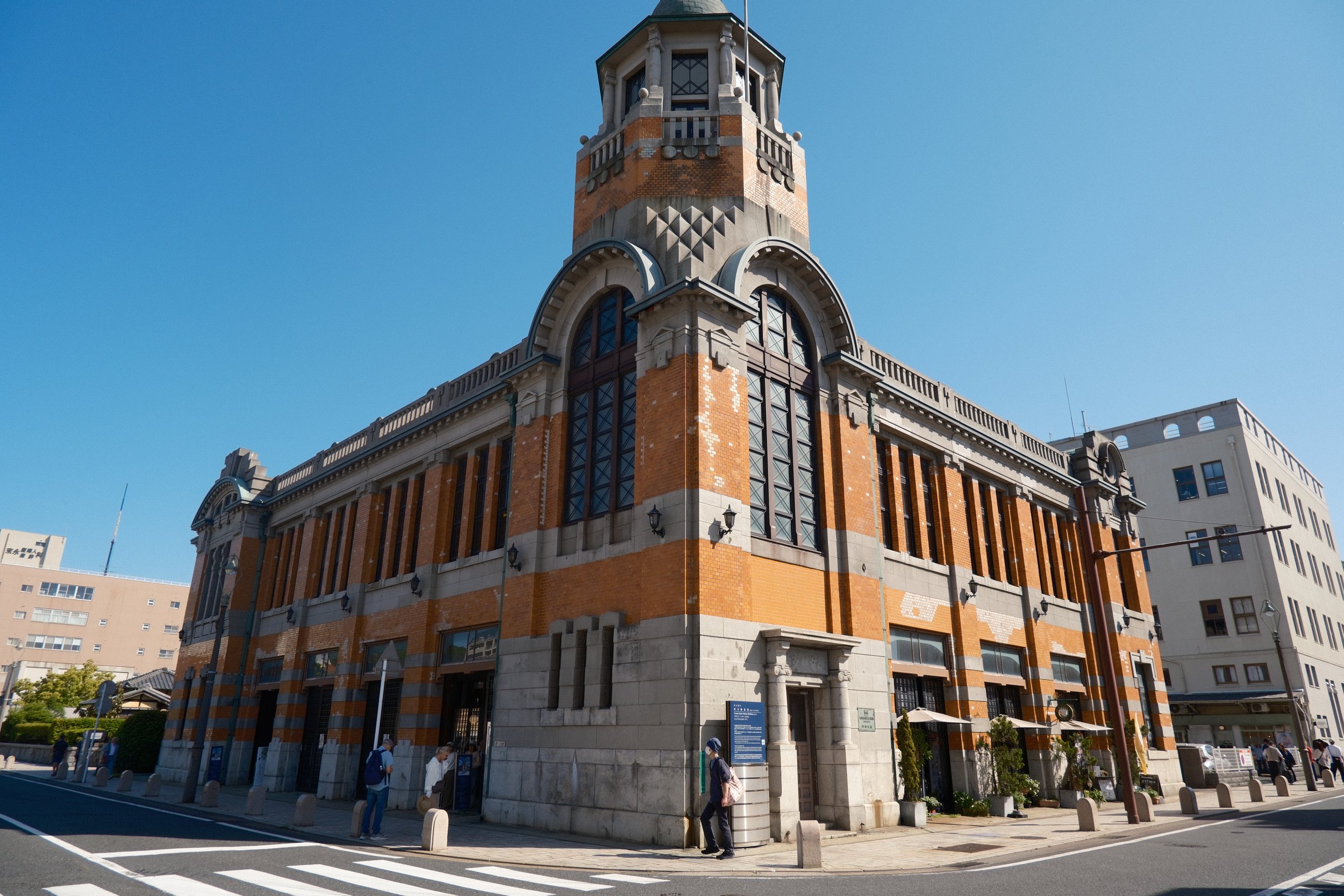
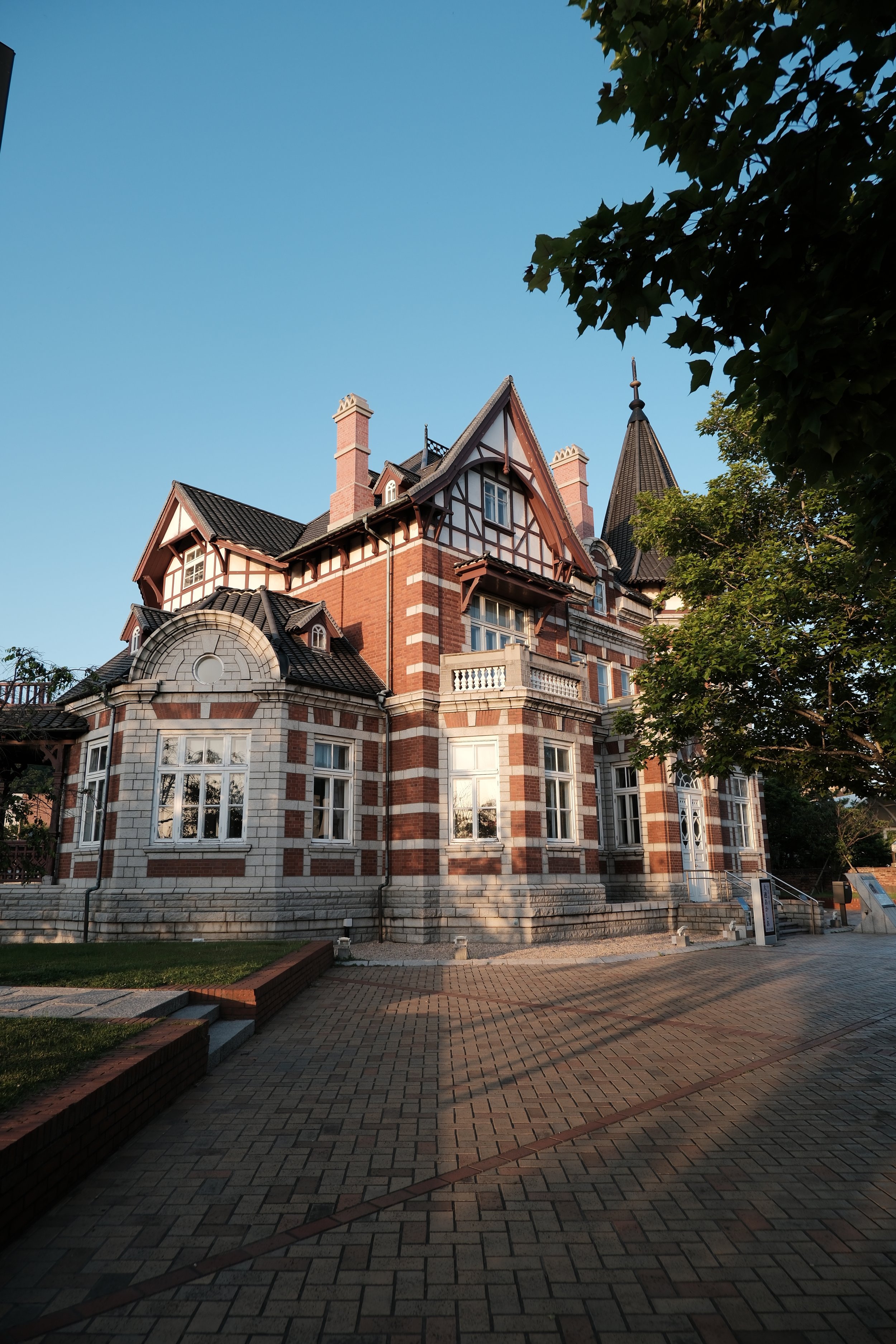
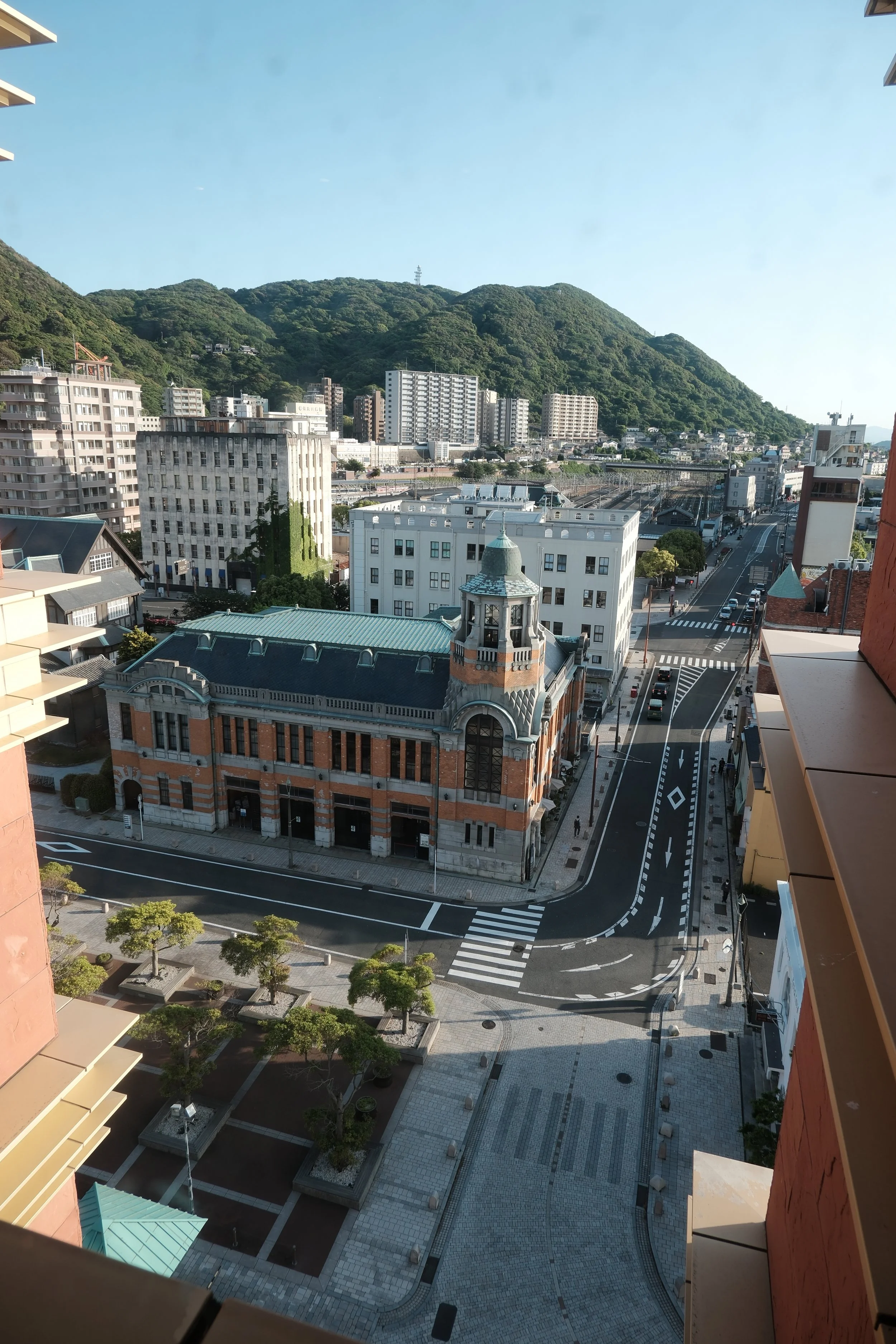
Many of the grand buildings around Mojiko Retro date from the Meiji, Taisho and early Shōwa periods. Mojiko Station, the former Moji Mitsui Club, the former Osaka Shosen building and the former Moji Customs House reflect a time when the port was filled with shipping companies, financial institutions and international travellers.
The wider town has a different kind of history. Move away from the restored waterfront and you will find postwar shopping arcades, quiet residential lanes and ageing commercial buildings that feel less curated. This mix is important: Mojiko is not one perfectly preserved historical district, but a town where several different periods remain visible at once. Fukuoka Prefecture’s Mojiko Retro guide
Today, some of these older buildings are being adapted into hotels, cafés, galleries and small shops. Others remain empty or weathered. That unevenness gives Mojiko much of its atmosphere.
Retro Yokocho and Sakaemachi Gintengai
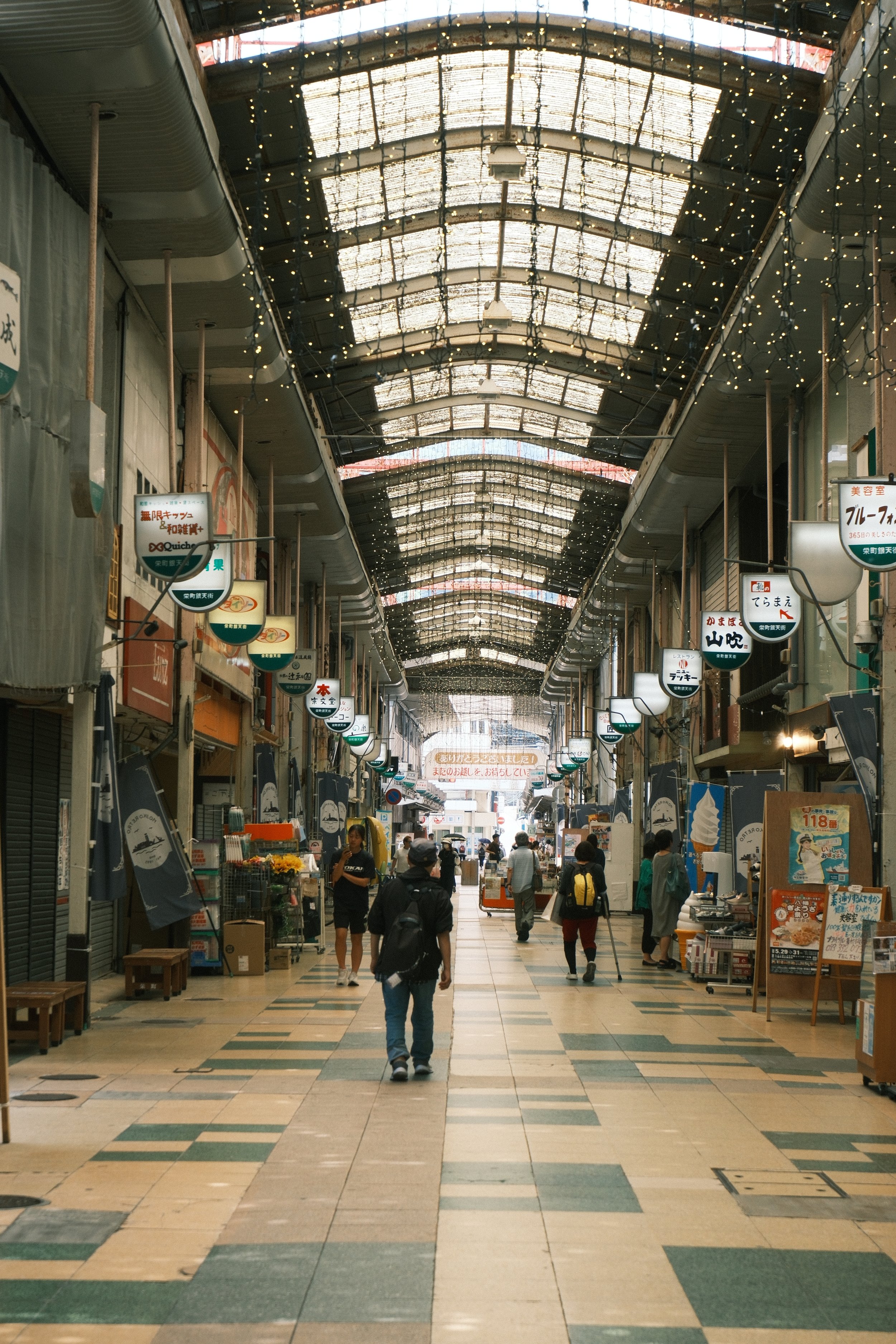
This time, I began around Retro Yokocho, the nostalgic shopping area centred on Sakaemachi Gintengai.
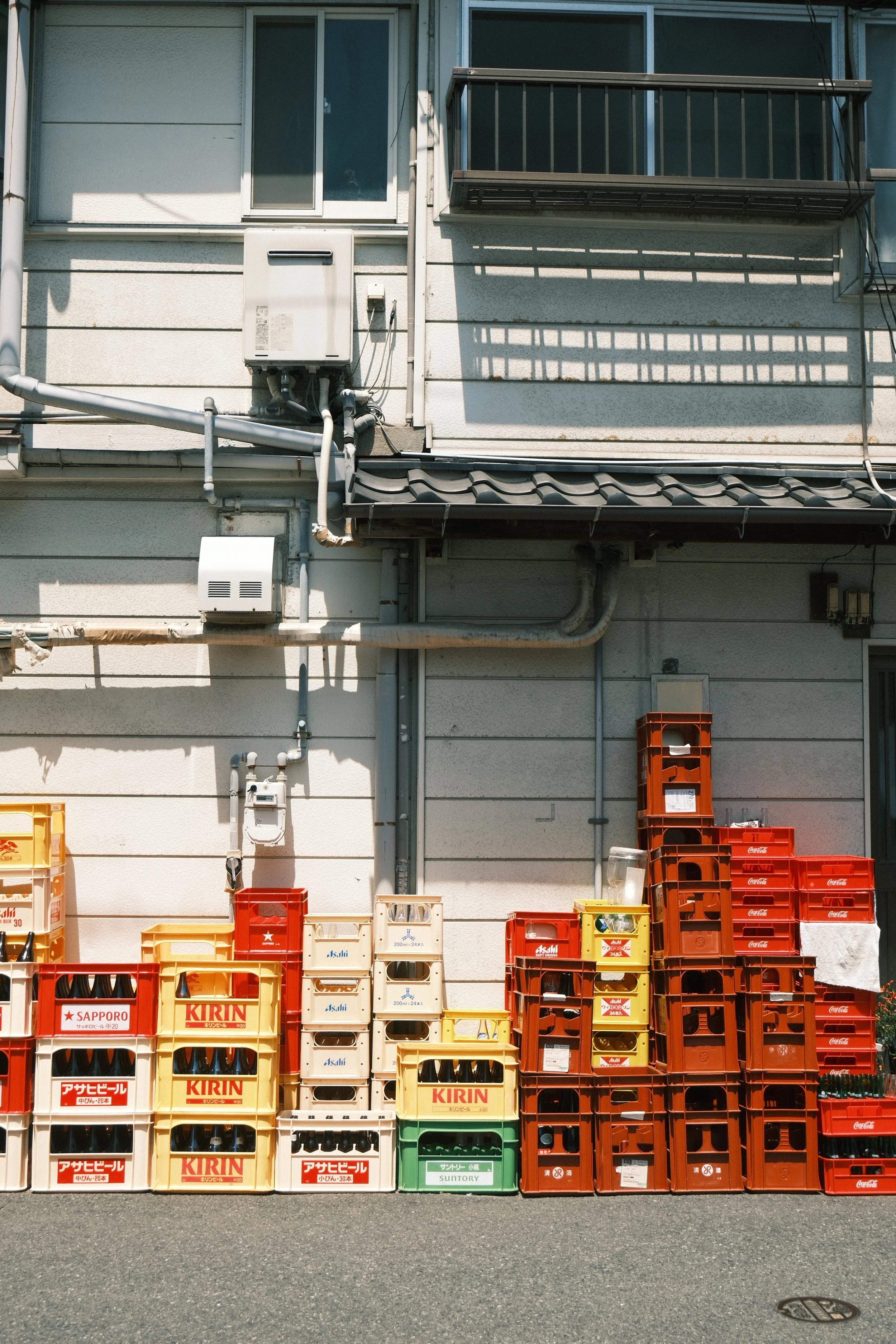
The shopping street dates to 1954, with its covered arcade completed in 1957. It still retains a distinctly Shōwa-era atmosphere, with old restaurants, specialist shops and newer businesses occupying the same narrow stretch. It is less polished than the waterfront and feels more connected to the everyday life of the town. Kitakyushu City’s Sakaemachi Gintengai guide
Some shutters may be closed depending on the day and time, but this is not necessarily a reason to rush through. Look closely and you will find old typography, signs from previous businesses and small architectural details preserved between newer additions.
For some people, running a curry shop inside a small retro arcade might look like “the dream.” It is a different image of success from the one most often presented to us—not expansion or constant growth, but creating something personal within a community and building a life around it.
Coffee at Cafune Mojiko
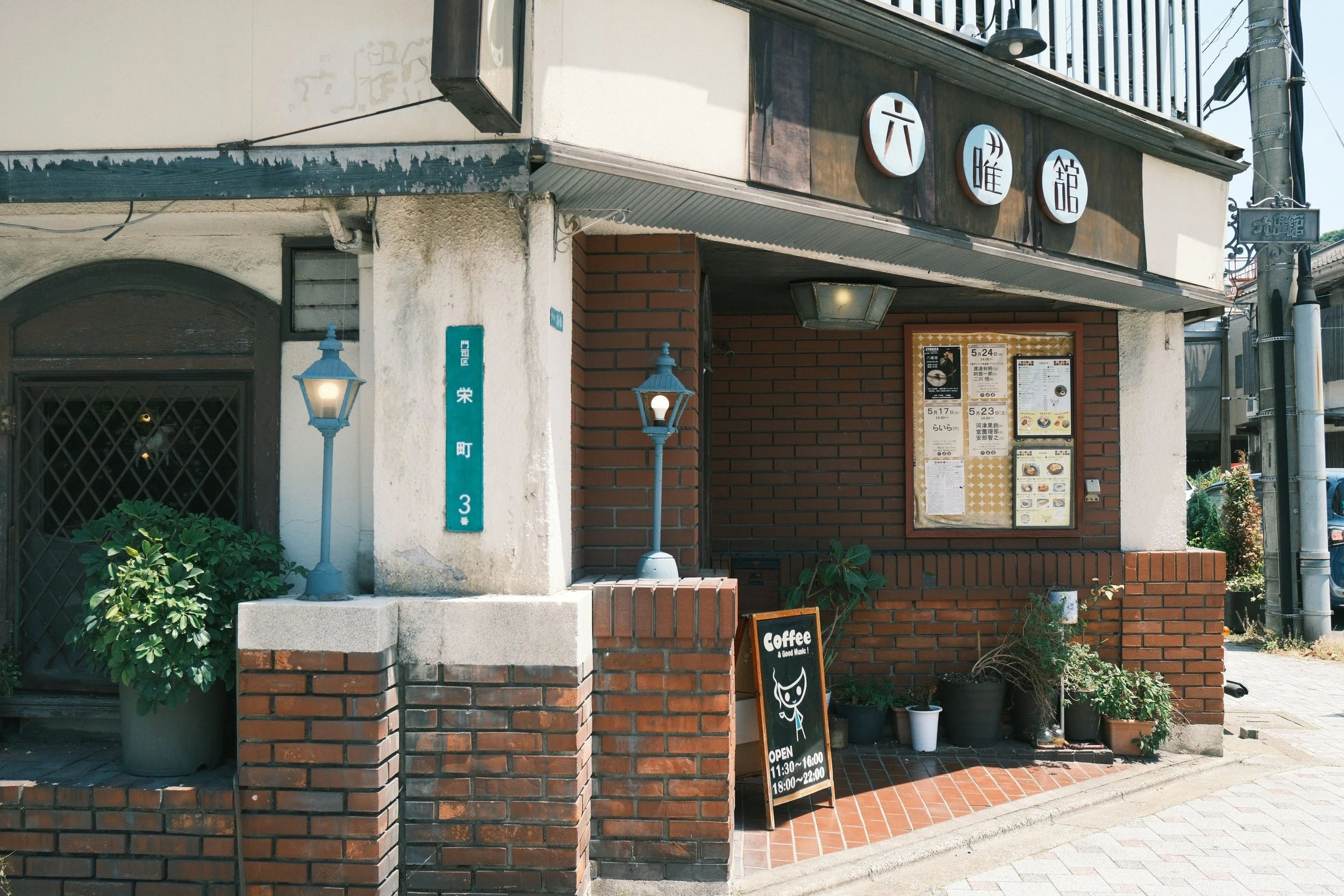
I stopped for coffee at Cafune Mojiko, one of the small independent businesses adding new life to the port town.
Places like this suit Mojiko particularly well. The town does not need every old building to become a major attraction. Sometimes a carefully restored room, a good cup of coffee and a reason to sit quietly for an hour are enough.
The slower rhythm of a solo trip also makes it easier to notice these spaces. There is no need to negotiate an itinerary or move on before someone becomes bored. You can stay for another coffee, follow a street simply because the light looks interesting or change the entire afternoon when you discover something unexpected.
Small businesses in Mojiko may keep limited or irregular hours, especially outside the busiest tourism areas. Check Cafune Mojiko’s Instagram before visiting rather than assuming it will be open.
Walking Through Kiyotaki
From the commercial streets, I continued into Kiyotaki, a hillside neighbourhood approximately ten minutes on foot from Mojiko Station.
Kiyotaki was once one of the town’s entertainment districts. During Mojiko’s early-20th-century peak, its stone-lined lanes were home to restaurants and geisha establishments serving politicians, businesspeople and other wealthy visitors. As the port declined, much of that nightlife disappeared and Kiyotaki became a quiet residential area.
Today, narrow alleys, stone walls, wooden houses and traces of its former life remain on the hillside. Small cafés, boutiques and galleries have also begun appearing inside some of the older buildings. The area is not arranged as a conventional sightseeing attraction, so remember that many of the surrounding properties are still private homes. Walk quietly and avoid photographing residents or looking into houses without permission.
One of my stops was the craft gallery at Moji Loji, part of a small local movement using Kiyotaki’s alleys and older buildings for creative projects. The gallery feels inseparable from its setting: getting there through the residential lanes is part of the experience.
Check Moji Loji’s Instagram for current exhibitions and opening days, as small galleries may not follow a daily schedule.
Making a Music Box by the Harbour
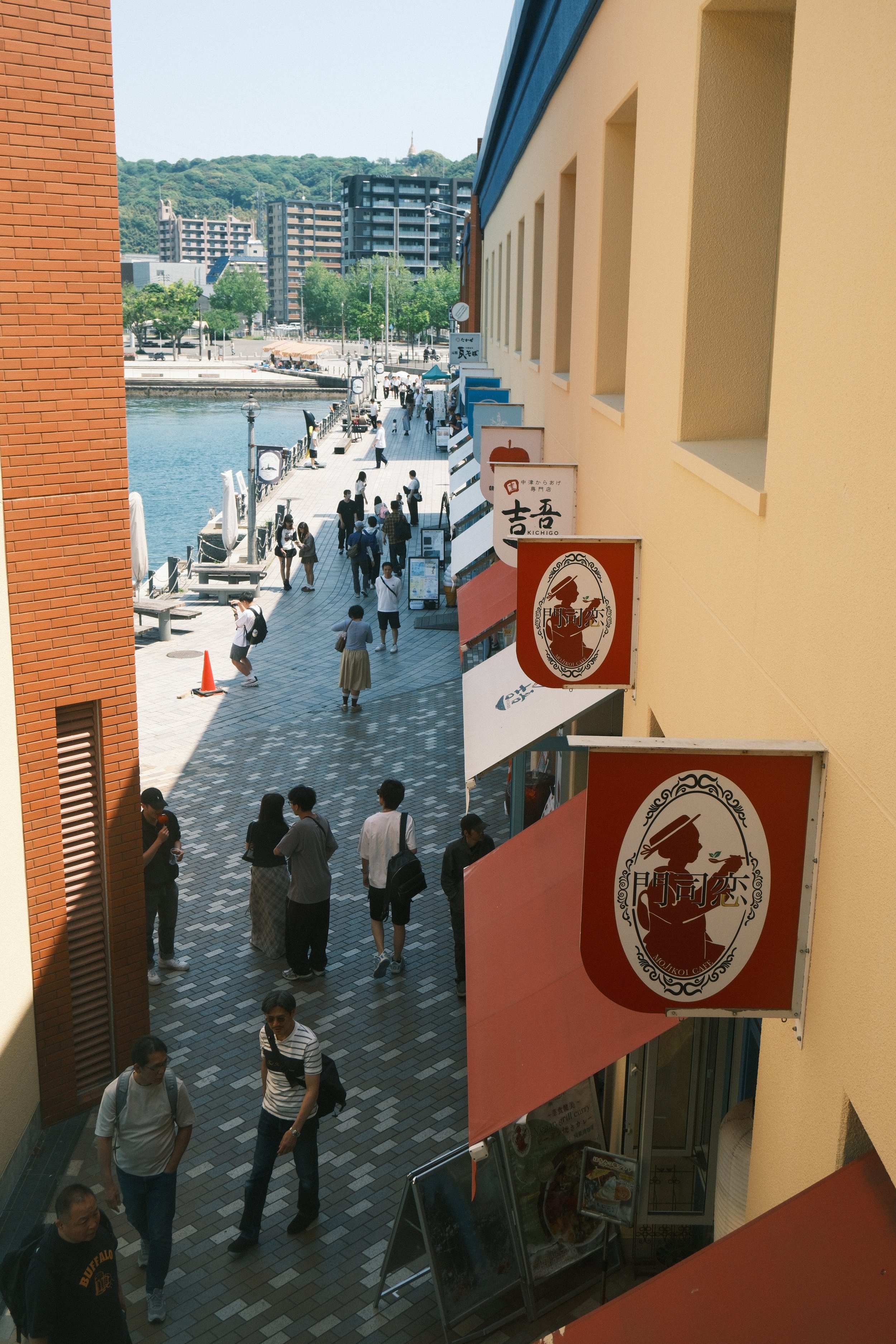
I ended the afternoon with a DIY experience at the Music Box Museum Mojiko, located inside Kaikyo Plaza.
The workshop allows you to select a melody and decorative pieces before assembling a music box of your own. Staff guide visitors through the process, so it is approachable even if you do not have any craft experience. The activity generally takes between 30 minutes and one hour, making it easy to include near the end of a day around the waterfront.
The experience currently starts at approximately ¥3,000. Workshop reception is generally available from 10:00 a.m. until 4:30 p.m., although confirming by telephone or checking ahead is recommended. Music Box Museum Mojiko
It is a fairly simple activity, but it matched the pace of the day. Rather than collecting another standard souvenir, I could sit down, choose something for myself and leave with an object connected to the afternoon.
Mojiko After the Day-Trippers Leave
Mojiko is often introduced as a day-trip destination, and it certainly works as one. The train station is beside the main historical district, and many of the waterfront attractions can be reached on foot.
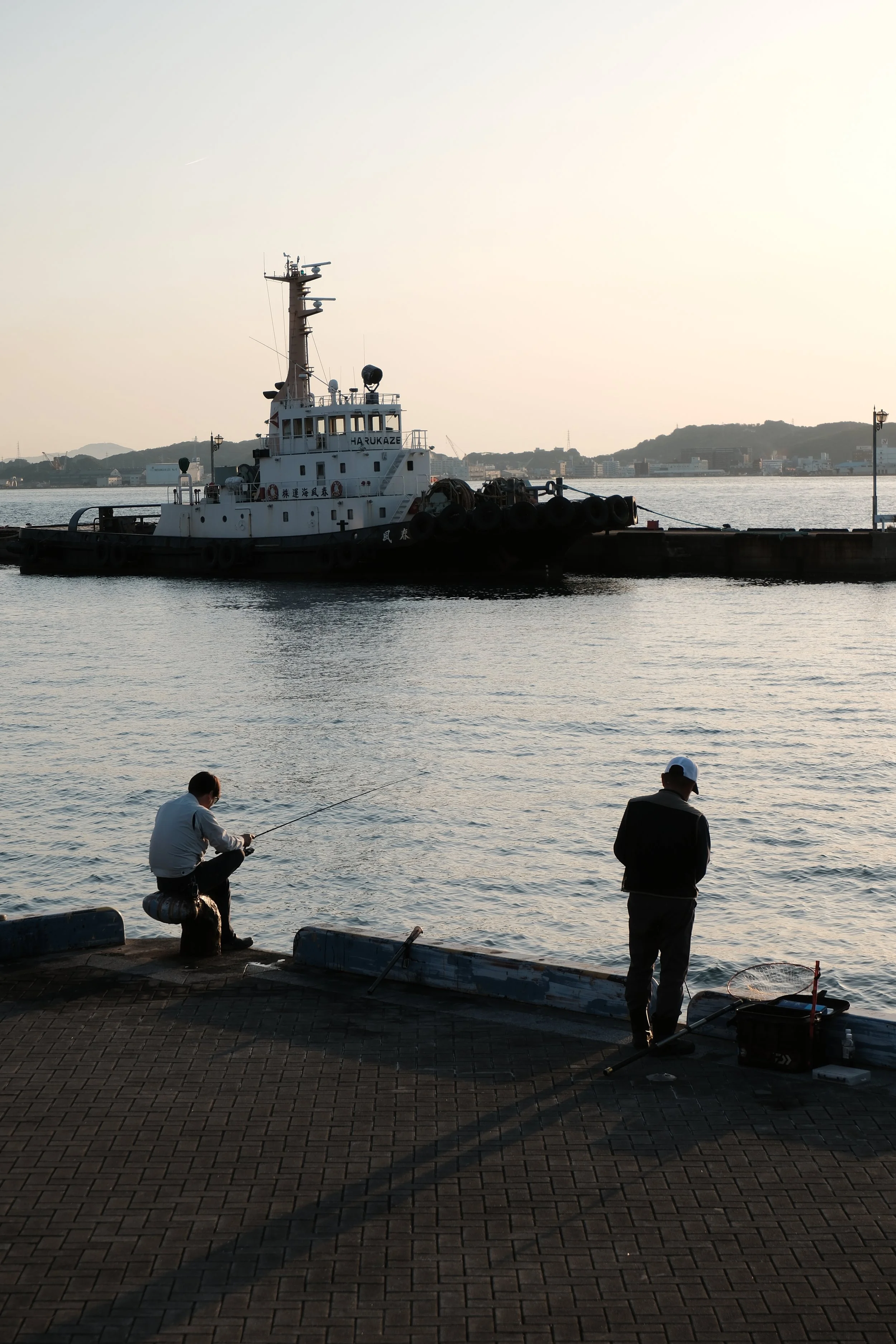
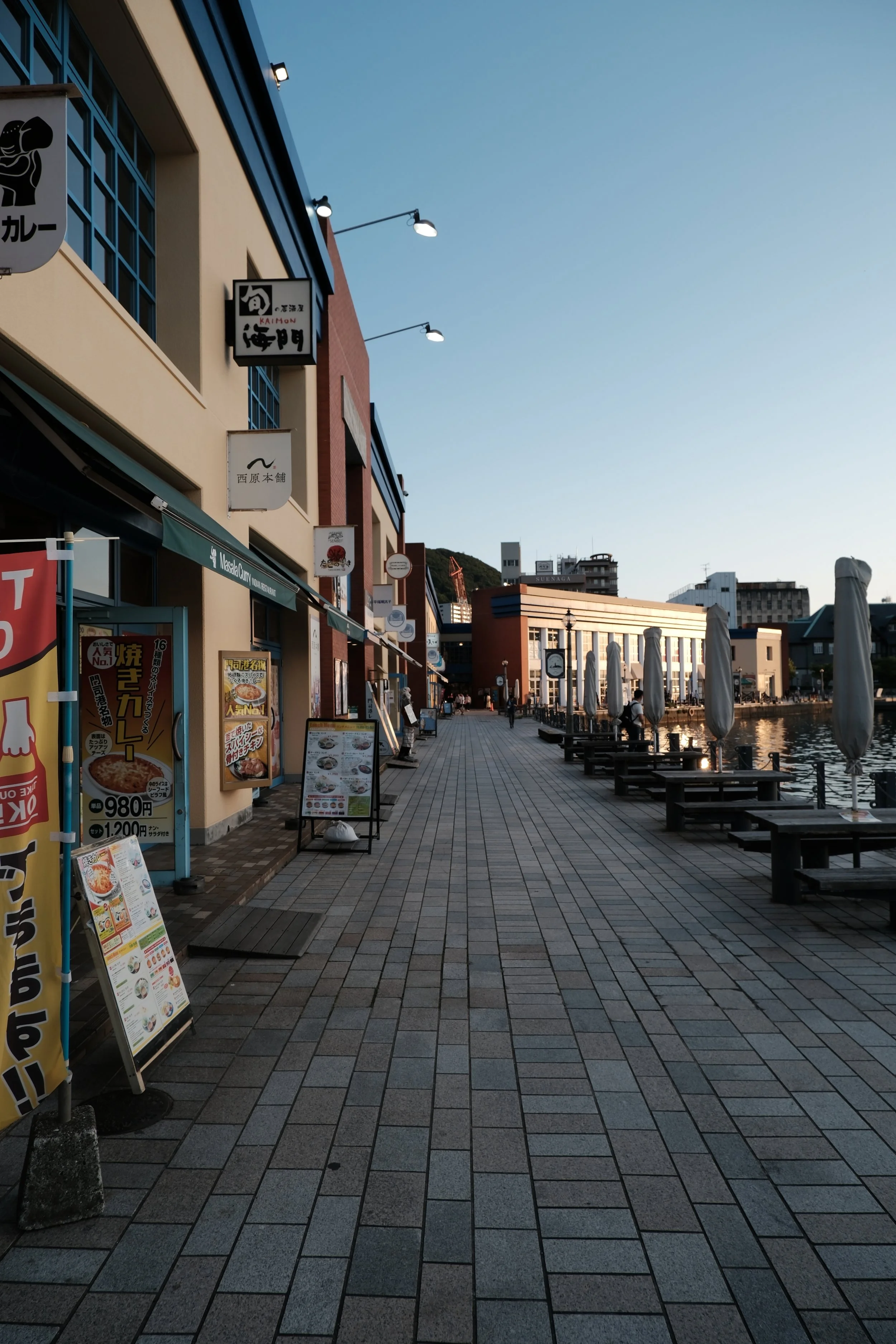
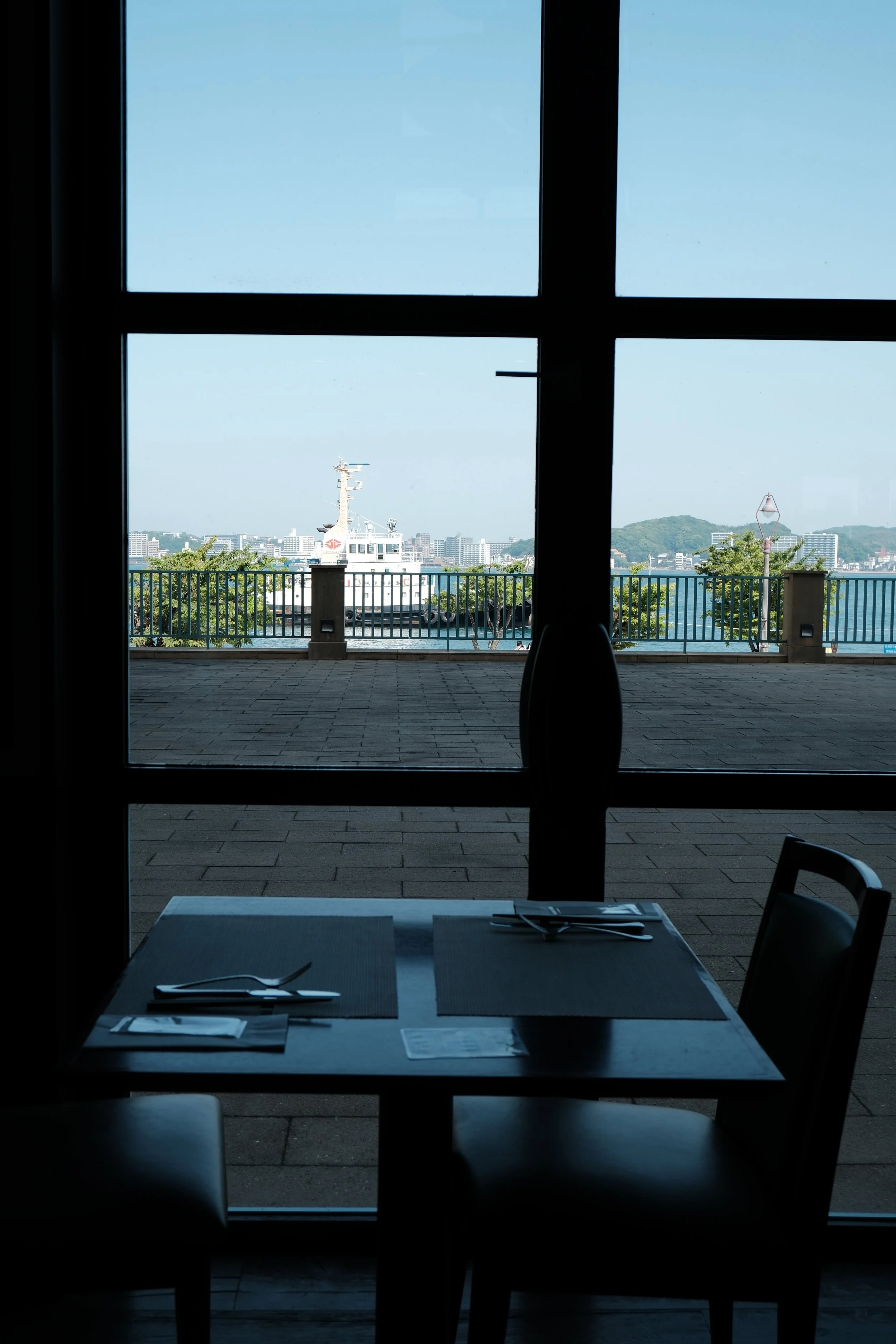
Staying overnight creates a different experience. As shops begin to close and day visitors return to Kokura or Fukuoka, the harbour becomes quieter. The light changes across the Kanmon Strait, fishing rods appear along the waterfront and the illuminated historic buildings take on a softer atmosphere.
This is when Mojiko feels most distinct from the larger cities nearby. There is no pressure to keep finding the next attraction. You can walk beside the harbour, find somewhere for dinner and watch the lights appear across the water in Shimonoseki.
If you only have a few hours, Mojiko’s architecture and waterfront make a pleasant excursion. If you are interested in photography, small shops and slower travel, staying until sunset—or spending the night—allows the town to reveal more of itself.
A Quiet Place Where You Do Not Need to Prove Anything
For some people, this kind of easygoing lifestyle is “the dream.”
Fishing by the harbour at sunset with red-brick buildings in the background. Running a curry shop inside a small retro shopping arcade. Restoring an old building and turning it into a hotel, café, gallery or shop.
Not every dream looks like chasing the top.
For some, it is simply finding a quiet pocket of the world where you can exist without needing to prove anything to anyone.
I felt that kind of peace in Mojiko. It was not created by a single attraction or spectacular moment. It came from walking without urgency, spending time in small independent spaces and watching people build meaningful lives within a town that moves at its own pace.
Mojiko does not demand your attention. You have to offer it willingly. When you do, you may find that its quietness is not an absence of things to experience, but the very reason to visit.
Mojiko Visitor Information
English Friendly: 4/5
The main Mojiko Retro area has multilingual signs, English tourism information and visitor-friendly facilities. English may be limited in small cafés, galleries and neighbourhood shops, but most are manageable with a translation app.
Access by Car:
Approximately 1 hour 10 minutes to 1 hour 30 minutes from central Fukuoka City, depending on traffic. Paid parking is available throughout the Mojiko Retro area, although travelling by train is generally easier.
Access by Train:
Approximately 1 hour to 1 hour 20 minutes from Hakata Station, depending on the connection. Take a limited express or Shinkansen to Kokura, then transfer to a local Kagoshima Main Line train for Mojiko Station. Slower direct or local combinations may take longer.
Access by Bus:
N/A. There is no bus option from central Fukuoka that is more convenient than the train. Local buses are available within Kitakyushu.
Address in English:
JR Mojiko Station
1-5-31 Nishikaigan, Moji Ward, Kitakyushu, Fukuoka 801-0841, Japan
Google Maps:
Mojiko Retro
Opening Hours:
The waterfront and historic streets can be explored at any time. Museums, shops, cafés and galleries keep their own hours. Independent businesses may close irregularly, so check their current social media before travelling.
Estimated Costs:
Walking around Mojiko Retro, Sakaemachi and Kiyotaki is free. Museums and observation facilities charge separate admission. The DIY music-box experience currently starts at approximately ¥3,000, while food, coffee and shopping costs vary.
Parking:
Several paid car parks are available around Mojiko Retro and Kaikyo Plaza. Visitors staying near the station can explore most of the central area without a car.
Best Time to Visit:
Arrive in the late morning after cafés and shops begin opening, then stay through sunset to experience the quieter harbour atmosphere. Weekdays are peaceful, while weekends generally offer a better chance of finding small shops and galleries open.
