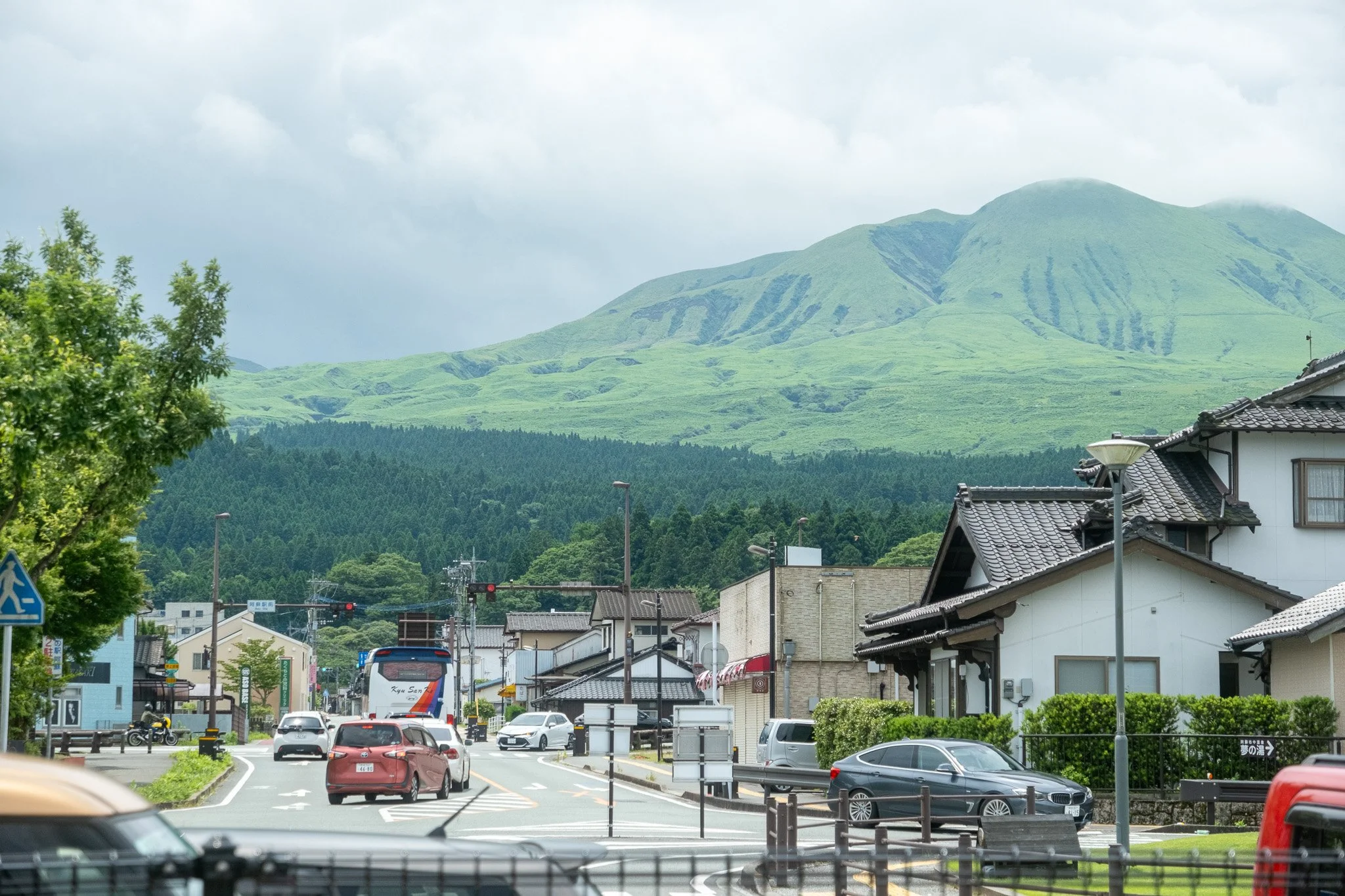
KUMAMOTO
Kumamoto sits at the heart of Kyushu with a distinct blend of rugged nature and quietly proud urban culture that sets it apart from its neighbors. Unlike the volcanic drama of nearby Oita or Kagoshima, Kumamoto is defined by the broad presence of Mount Aso—one of the world’s largest calderas—offering expansive grasslands, crater rims, and pastoral scenery rather than jagged lava fields. Its capital city, Kumamoto City, pairs a resilient, down-to-earth atmosphere with one of Japan’s most iconic castles. The city feels less tourist-heavy than Fukuoka but more substantial than smaller coastal towns.
Compared with Saga’s porcelain heritage and Nagasaki’s international history, Kumamoto emphasizes samurai legacy, rural festivals, and hearty local cuisine—basashi (horse sashimi) and rich tonkotsu variants—rooted in inland agricultural abundance. For travelers seeking a balanced mix of accessible urban comforts, dramatic highland landscapes, and authentic regional culture without the bustle of Kyushu’s largest cities, Kumamoto offers an unpretentious, enduringly local experience.
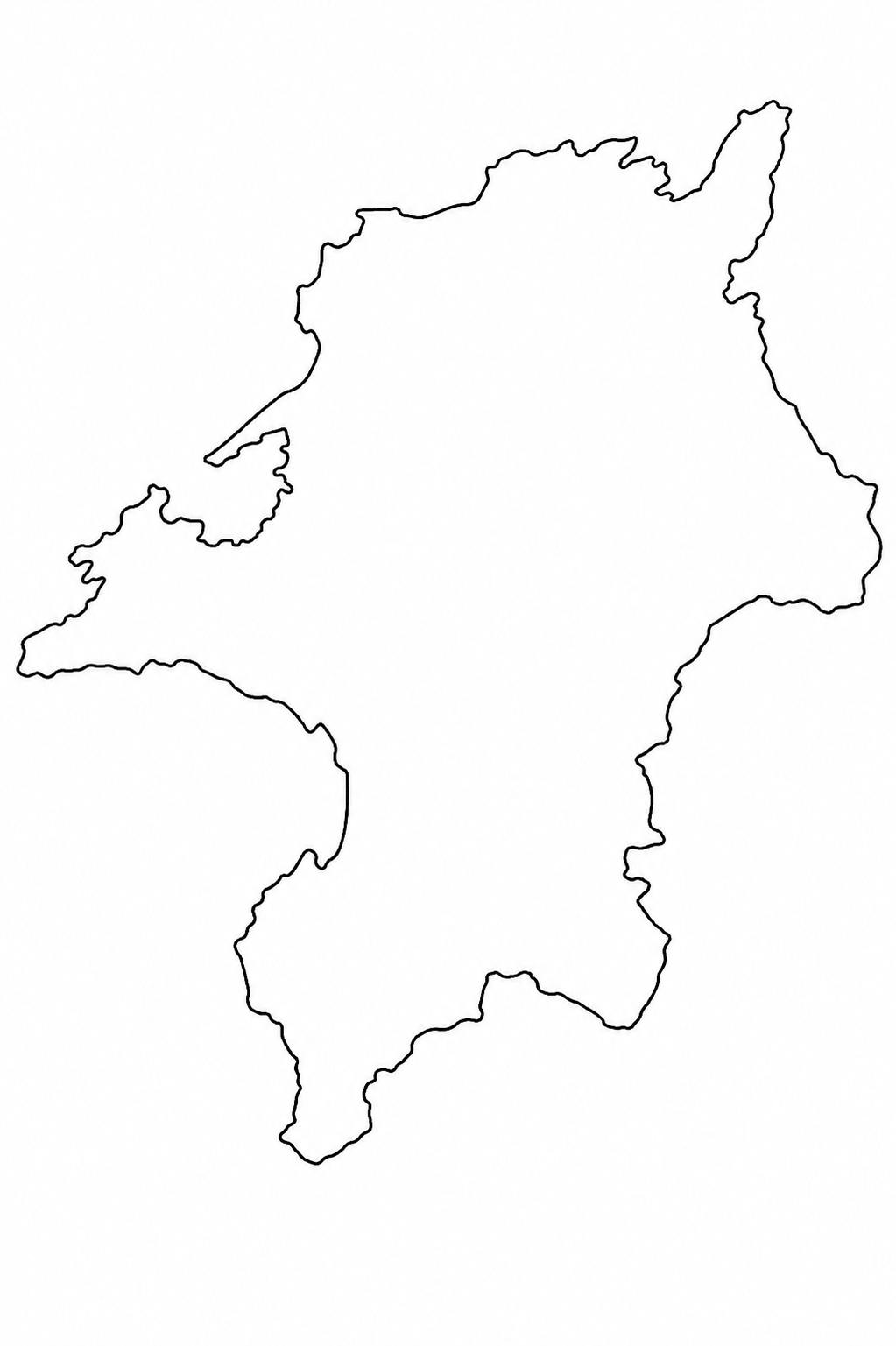
Latest Articles For Kumamoto:
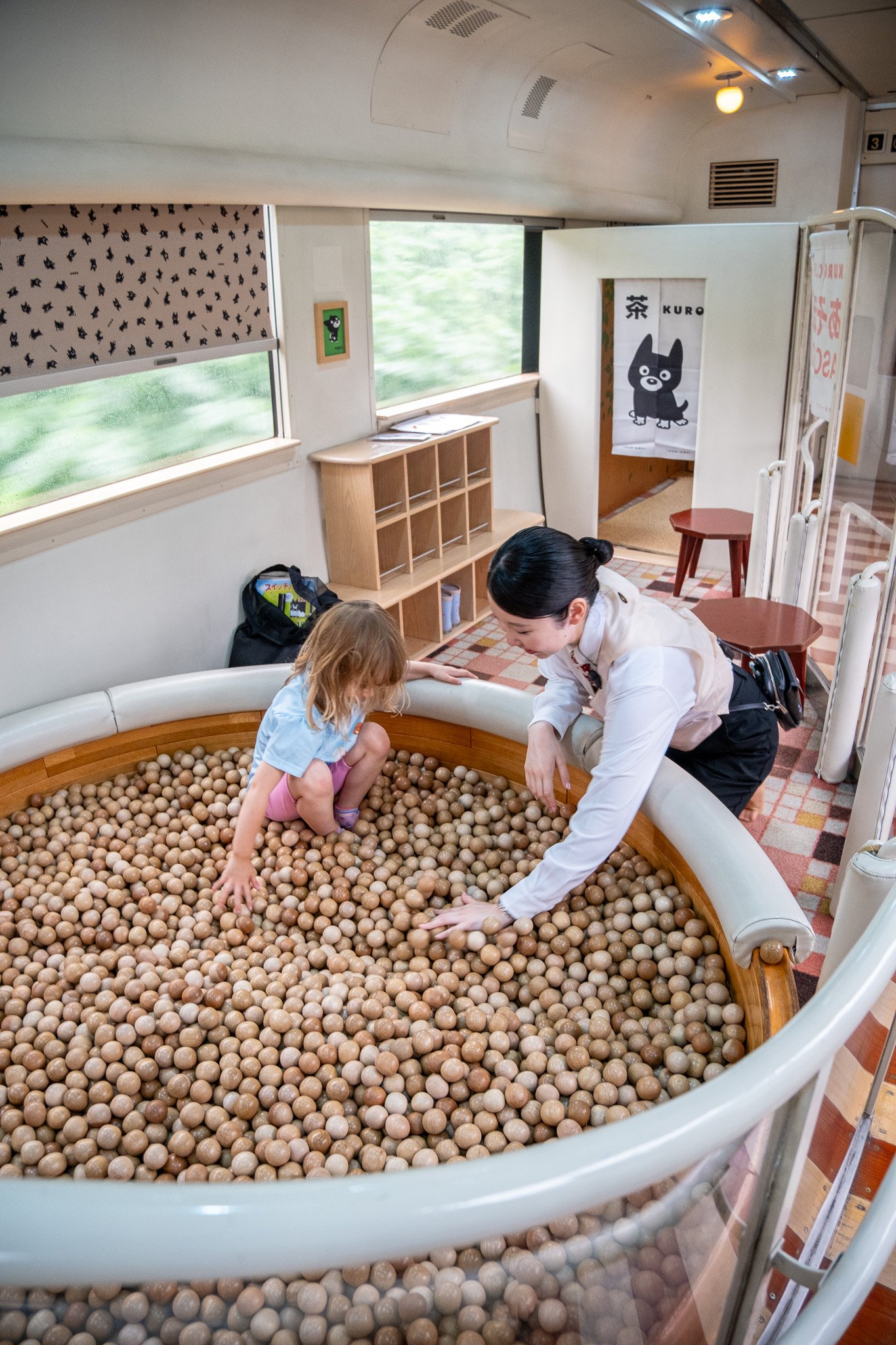
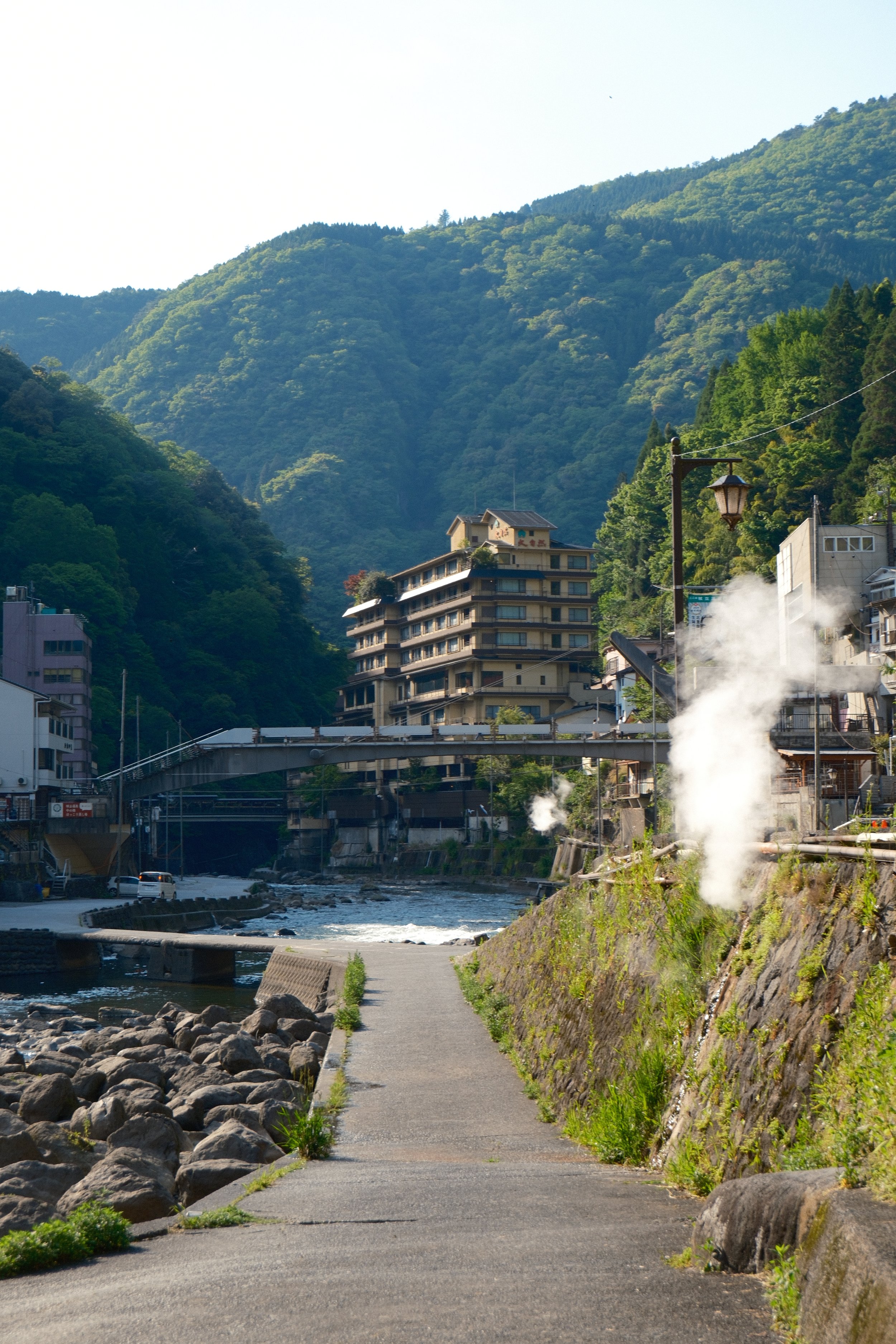
Kyushu is also a very large island, and not every destination has been affected in the same way. Cancelling an entire Kyushu itinerary without checking the individual places involved can create another wave of damage. One that lasts much longer than the earthquake itself. If you're going to Mt. Aso, Kurokawa Onsen, Takachiho, read this first.